




Machine Learning Estimation of Low-Density Lipoprotein Cholesterol in Women with and without HIV - PubMed
Source : https://pubmed.ncbi.nlm.nih.gov/34813572/
doi: 10.1097/QAI.0000000000002869. Online ahead of print. 1 Department of Internal Medicine, University Hospitals/Case Western Reserve University, Cleveland, OH Division of Cardiovascular Medicine, University Hospitals/Case Western Reserve University, Cleveland, OH Department...
Conclusions: "In this proof-of-concept study, SVM is a robust method that predicts directly measured LDL-C more accurately than clinically used methods in women with and without HIV. Further studies should explore the utility in broader populations."
Gradual increasing dyslipidemia in treatment-naive male patients with human immunodeficiency virus and treated with tenofovir plus lamivudine plus efavirenz for 3 years - Diabetology & Metabolic Syndrome
Source : https://dmsjournal.biomedcentral.com/articles/10.1186/s13098-021-00756-y
Introduction Since the development of antiretroviral therapy (ART) with TDF plus 3TC plus EFV, this specific regimen has not been studied enough with long-term lipid and uric acid monitoring. Methods...
Conclusions:
"Gradual increasing dyslipidemia was found in male patients with human immunodeficiency virus primarily treated with tenofovir plus lamivudine plus efavirenz for 3 years. There-fore lipid metabolism parameters should be closely monitored during long-term ART with the TDF plus 3TC plus EFV regimen"

Obesity Partially Mediates the Diabetogenic Effect of Lowering LDL Cholesterol
Source : https://care.diabetesjournals.org/content/early/2021/11/16/dc21-1284
OBJECTIVE LDL cholesterol (LDLc)-lowering drugs modestly increase body weight and type 2 diabetes risk, but the extent to which the diabetogenic effect of lowering LDLc is mediated through increased BMI...
CONCLUSIONS: "These findings suggest that the diabetogenic effect attributed to lowering LDLc is partially mediated through increased BMI. Our results could help advance understanding of adipose tissue and lipids in type 2 diabetes pathophysiology and inform strategies to reduce diabetes risk among individuals taking LDLc-lowering...
Genetic Determinants of Plasma Low-Density Lipoprotein Cholesterol Levels: Monogenicity, Polygenicity, and "Missing" Heritability
Source : https://www.mdpi.com/2227-9059/9/11/1728
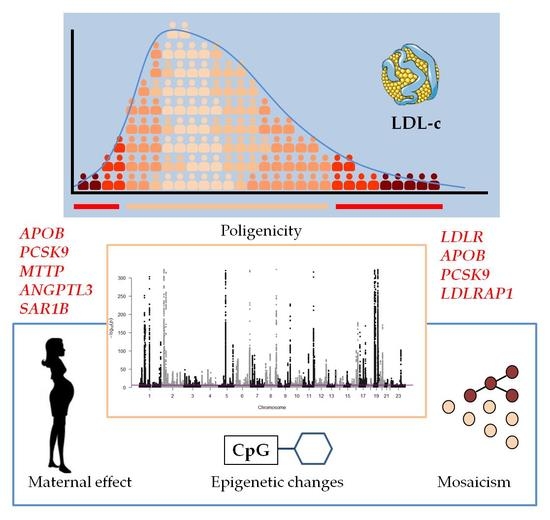
Changes in plasma low-density lipoprotein cholesterol (LDL-c) levels relate to a high risk of developing some common and complex diseases. LDL-c, as a quantitative trait, is multifactorial and depends on...
This paper discusses other possibilities for unexplained dyslipidemias associated with LDL-c, such as mosaicism, maternal effect, and induced epigenetic changes. Future studies should consider gene–gene and gene–environment interactions and the development of integrated information about disease-driving networks, including phenotypes,...
-
 Lipid Management Connect4yrKey Points • Source: Biomedicines • Conclusion/Relevance: “This paper discusses other possibilities for unexplained dyslipidemias associated with LDL-c, such as mosaicism, maternal effect, and induced epigenetic changes. Future studies should consider gene–gene and gene–environment Show More
Host immunomodulatory lipids created by symbionts from dietary amino acids - Nature
Source : https://www.nature.com/articles/s41586-021-04083-0
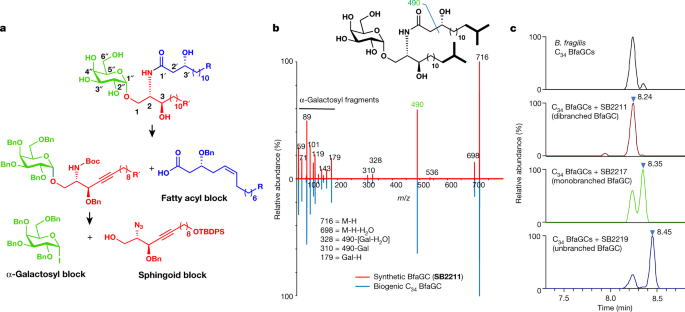
Small molecules derived from symbiotic microbiota critically contribute to intestinal immune maturation and regulation1. However, little is known about the molecular mechanisms that control immune development in the host-microbiota environment....
We present a structural and molecular-level paradigm of immunomodulatory control by interactions of endobiotic metabolites with diet, microbiota and the immune system.

Trends in low-density lipoprotein cholesterol level among Chinese young adults hospitalized with first acute myocardial infarction
Source : https://www.ncbi.nlm.nih.gov/pmc/articles/PMC8576691/
Representative data has shown a linear increase in mean low-density lipoprotein cholesterol (LDL-C) levels among Chinese adults, contributing to the burden of atherosclerotic cardiovascular disease (ASCVD). This study aimed to...
Conclusions: The current study provides an overview of trends in LDL-C level and elevated LDL-C among young adults at the time of first AMI. Patients had a high prevalence of elevated LDL-C but low awareness of this status. Coronary artery stenosis was positively correlated with LDL-C level. Preventive strategies, including public education...
-
Dr Hamid4yrInteresting journal that study aimed to assess the trends in LDL-C levels and their association with coronary artery stenosis during the first acute myocardial infarction (AMI) in young Chinese adults.
International Journal of Medical Biochemistry
Source : https://internationalbiochemistry.com/jvi.aspx?pdir=ijmb&plng=eng&un=IJMB-28190&look4=
Int J Med Biochem . Ahead of Print: IJMB-28190 Hacer Eroğlu 1, Arif Murat Kaytaz 2, Evin Ademoglu 2, Sema Genc 3 1Istanbul Bakırköy Prof.Dr.Mazhar Osman Mental Health And Nerve...
Discussion and Conclusion: This study emphasizes the importance of determining lipid profiles during childhood and adolescence and taking preventive actions for cardiovascular diseases by implementing reliable age- and sex-specific cutoff values.

Polygenic contribution for familial hypercholesterolemia (FH) - PubMed
Source : https://pubmed.ncbi.nlm.nih.gov/34751168/
Polygenic risk scores have revealed to be important tools to define the cause of hypercholesterolemia in FH mutation-negative individuals and should be included in FH diagnosis strategies, although there is...
Summary: Polygenic risk scores have revealed to be important tools to define the cause of hypercholesterolemia in FH mutation-negative individuals and should be included in FH diagnosis strategies, although there is still space for more specific LDL-C GRS to be developed. The use of GRS may be used to refine cardiovascular risk prediction in FH...
Conclusions: Total cholesterol, non-high-density lipoprotein cholesterol, and low-density lipoprotein cholesterol were positively associated with the presence of carotid IPN in a Chinese high-stroke-risk population. Further prospective studies should be conducted to better understand how much finding IPN adds to current stroke prediction...

Association between small dense low-density lipoprotein cholesterol and neuroimaging markers of cerebral small vessel disease in middle-aged and elderly Chinese populations - PubMed
Source : https://pubmed.ncbi.nlm.nih.gov/34753453/
The results indicate that LDL-C3 is an independent risk factor for CSVD. A new prediction model based on LDL-C3 and LDL-C4 can help clinicians identify high-risk CSVD, even in people...
Conclusion: The results indicate that LDL-C3 is an independent risk factor for CSVD. A new prediction model based on LDL-C3 and LDL-C4 can help clinicians identify high-risk CSVD, even in people with normal LDL-C levels. The levels of sdLDL-C should be considered in the assessment and management of CSVD.

Leqvio®* (inclisiran) reduced LDL-C in people who are overweight or obese
Regardless of body mass index (BMI), Leqvio provided sustained and effective LDL-C reduction of ~50% with two doses a year**, according to pooled analysis of three Phase III studies Being...
“For patients with vascular disease who have a high BMI, physicians generally recommend weight loss in addition to cholesterol-lowering medication," said Lawrence A. Leiter, MD, Director of the Lipid Clinic, Associate Director of the Clinical Nutrition and Risk Factor Modification Centre and Associate Scientist in the Li Ka Shing Knowledge...
Conclusions: Important differences in estimated LDL-C exist between the three equations, particularly among those with TG ≥150 mg/dL. These results in ASCVD patients, synthesized with prior evidence, raise concern that reliance upon the Friedewald and Sampson equations may result in underestimation and thus, undertreatment of LDL-C in those...
The present study introduced a nano-targeted drug delivery approaches for PCSK9/LDLR antagonist.
These properties include rapid and robust promotion of cholesterol efflux from cells abundant in atherosclerotic plaque, in addition to anti-inflammatory effects, which together, may have a stabilizing effect on atherosclerotic plaque. We provide a detailed overview of these mechanisms, in addition to information on the composition of CSL112...
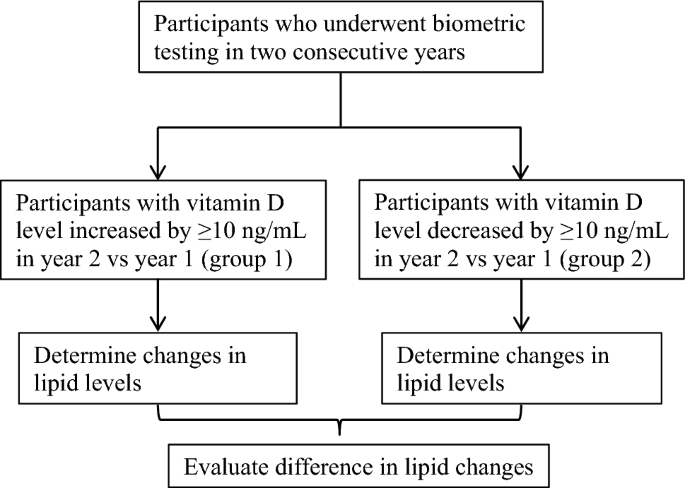
Association of changes in lipid levels with changes in vitamin D levels in a real-world setting - Scientific Reports
Source : https://www.nature.com/articles/s41598-021-01064-1
In clinical trials, vitamin D supplementation has been reported to reduce serum levels of total cholesterol (TC), low-density lipoprotein cholesterol (LDL-C), and triglycerides (TG) but not high-density lipoprotein cholesterol (HDL-C)....
Between-group differences in average changes in the 3 cohorts ranged from 10.71 to 12.02 mg/dL for TC, from 7.42 to 8.95 mg/dL for LDL-C, and from 21.59 to 28.09 mg/dL for TG. These differences were significant after adjusting for age, sex, race, education, body mass index, blood pressure, smoking status, geographical location, and baseline...

Association Between Serum C1q Tumor Necrosis Factor-Related Protein 9 and the Clinical Characteristics and Prognosis of Ischemic Stroke - Neurology and Therapy
Source : https://link.springer.com/article/10.1007/s40120-021-00296-7
Introduction C1q tumor necrosis factor (TNF)-related protein 9 (CTRP9) is a novel member of the C1q/TNF superfamily. According to our previous review, CTRP9 plays a vital role in the process...
Conclusions: All the findings indicated that serum CTRP9 could be a promising blood-derived biomarker for the early evaluation and prognosis assessment of IS.
Highlights:
Conclusions: Associations between apoAI and AII and cardiometabolic indices are proteoform‐specific. These results provide “proof‐of‐concept” that precise chemical characterization of human apolipoproteins will yield improved insights into the complex pathways through which proteins signify and mediate health and disease.
Association between LDL-C/HDL-C Ratio and Carotid Atherosclerosis in an Asymptomatic Japanese Population: A Cross-Sectional Study
Source : https://europepmc.org/article/ppr/ppr411122
Background: and aims LDL-C/HDL-C ratio predicted atherosclerosis progression better than LDL-C or HDL-C alone. However, the association between LDL-C/HDL-C ratio and Carotid Atherosclerosis(CA) is still controversial. There is a lack...
Conclusions: In conclusion, LDL-C/HDL-C ratio is an independent risk factor for CA in the Japanese population. A prospective and randomized clinical trial of LDL-C/HDL-C ratio lowering therapy in the Japanese population is needed to assess the causal nature of the relationship.