



Low−/high-density lipoprotein cholesterol ratio and carotid plaques in patients with coronary heart disease: a Chinese cohort study - Lipids in Health and Disease
Source : https://lipidworld.biomedcentral.com/articles/10.1186/s12944-021-01575-w
Background Evidence on the relationship between the low−/high-density lipoprotein cholesterol ratio (LDL-C/HDL-C) and carotid plaques remains limited. This study aimed to examine the association between LDL-C/HDL-C and carotid plaques in...
Conclusion: A high LDL-C/HDL-C is associated with a risk of carotid plaques developing in CHD patients. Adhering to a healthy lifestyle has additive beneficial effects on reducing the risk of carotid plaques, especially in relation to the highest LDL-C/HDL-C.
-
 Dr Hamid4yrInteresting article & emphasizes need of healthy lifestyle & beneficial effects on reducing risk of carotid plaques !!!

Triglyceride glucose index influences platelet reactivity in acute ischemic stroke patients - BMC Neurology
Source : https://bmcneurol.biomedcentral.com/articles/10.1186/s12883-021-02443-x
Aim Insulin resistance was reported to increase the risk of ischemic stroke, which can be assessed by the triglyceride glucose (TyG) index. However, it remains unclear whether the TyG index...
Conclusions: In acute ischemic stroke patients taking DAPT, the elevation of the TyG index is associated with enhanced platelet reactivity and higher prevalence of aspirin HRPR. Insulin resistance assessed by the TyG index could be an independent risk factor for aspirin HRPR.
-
Lipid Management Connect4yrKey Points • Source: BMC Neurology • Conclusion/Relevance: “In acute ischemic stroke patients taking dual antiplatelet therapy [DAPT], the elevation of the triglyceride glucose [TyG] index is associated with enhanced platelet reactivity and higher Show More

A Series of Novel, Highly Potent, and Orally Bioavailable Next-Generation Tricyclic Peptide PCSK9 Inhibitors
Source : https://pubs.acs.org/doi/10.1021/acs.jmedchem.1c01599
Proprotein convertase subtilisin-like/kexin type 9 (PCSK9) is a key regulator of plasma LDL-cholesterol (LDL-C) and a clinically validated target for the treatment of hypercholesterolemia and coronary artery disease. Starting from...
We demonstrated target engagement and LDL lowering in cynomolgus monkeys essentially identical to those observed with the clinically approved, parenterally dosed antibodies. These molecules represent the first report of highly potent and orally bioavailable macrocyclic peptide PCSK9 inhibitors with overall profiles favorable for potential...
Conclusions: Baseline cholesterol markers can predict early infarct recurrence in patients with symptomatic ICAD. More intensive and rapid lipid lowering drugs may be required to reduce risk of early recurrence.

The Priority of Non-HDL-C Assessment to Predict New Lesions among Stable Angina Patients with Strong Statins - PubMed
Source : https://pubmed.ncbi.nlm.nih.gov/34039817/
Non-HDL-C ≥ 100 mg/dL was determined to be the independent risk factor for the occurrence of new lesions 9 months and ≤ 2 years after PCI among stable angina patients...
Inclisiran for treating primary hypercholesterolaemia or mixed dyslipidaemia
Source : https://www.nice.org.uk/guidance/ta733/documents/html-content-2
The Appraisal Committee has prepared a Final Appraisal Document (FAD) on Inclisiran for treating primary hypercholesterolaemia or mixed dyslipidaemia and submitted it to NICE. The FAD has been sent to...
Association of circulating oxidized LDL-C/LDL-C ratio with severity of coronary atherosclerosis and other emerging biomarkers of cardiovascular disease in patients with type 2 diabetes
Source : https://europepmc.org/article/ppr/ppr406901
Background: Atherosclerosis cardiovascular diseases (ASCVD) are the leading cause of mortality and morbidity in patients with diabetes. But there are still no simpler and more effective biomarkers which can predict...

New players in the treatment of hypercholesterolaemia: focus on bempedoic acid and inclisiran - PubMed
Source : https://pubmed.ncbi.nlm.nih.gov/34650356/
Dyslipidaemias and in particular elevated plasma low-density lipoprotein cholesterol (LDL-C) levels are major risk factors for atherosclerotic cardiovascular disease (ASCVD). Indeed, the more LDL-C is reduced the larger will be...
Lipid biomarkers and Cancer risk - a population-based prospective cohort study in Taiwan - Lipids in Health and Disease
Source : https://lipidworld.biomedcentral.com/articles/10.1186/s12944-021-01570-1
Background Blood lipids are essential components for cellular growth. An inverse association between serum lipid levels and risk of cancer has led to a controversy among previous studies. The aim...

The effect of guar gum consumption on the lipid profile in type 2 diabetes mellitus: a systematic review and meta-analysis of randomized controlled trials
Source : https://doi.org/10.1080/10408398.2021.1981228
Abstract Dyslipidemia is a common encounter in type 2 diabetes mellitus (T2DM) and the current strategies to manage it are still suboptimal. Subsequently, identifying newer molecules with lipid-lowering effects is...

Machine learning predictive models of LDL-C in the population of eastern India and its comparison with directly measured and calculated LDL-C - Anudeep P P, Suchitra Kumari, Aishvarya S Rajasimman, Saurav Nayak, Pooja Priyadarsini, 2021
Source : https://doi.org/10.1177/00045632211046805
Background LDL-C is a strong risk factor for cardiovascular disorders. The formulas used to calculate LDL-C showed varying performance in different populations. Machine learning models can study complex interactions between...

Lactobacillus mediates the expression of NPC1L1, CYP7A1, and ABCG5 genes to regulate cholesterol
Source : https://onlinelibrary.wiley.com/doi/full/10.1002/fsn3.2600
Kaihui Cao , Kaiping Zhang , Muran Ma , Junjie Ma , Jianjun Tian , Ye Jin , College of Food Science and Technology, Inner Mongolia Agricultural University, Hohhot, China...
Association between adherence to statin therapy and low-density lipoprotein cholesterol (LDL-c) response in first-time users of standard-dose and low-dose statins: the PharmLines Initiative
Source : https://doi.org/10.1080/03007995.2021.1984222
ABSTRACT To investigate whether statin adherence (defined as proportion days covered, PDC) is associated with LDL-c response in statin initiators on standard and low starting-dose of statins, and to detect...
Lipid-lowering therapy with PCSK9 monoclonal antibodies during the COVID-19 pandemic: Novel insights and perspectives |
The emergence of the novel severe acute respiratory syndrome coronavirus 2 ( SARS- CoV-2) which causes Coronavirus Disease 2019 ( COVID-19) has resulted in a pandemic. A large proportion of...

Statin use and pneumonia risk in Parkinson's disease
Source : https://www.sciencedirect.com/science/article/abs/pii/S1353802021003503
The study investigated 10,159 PD patients for 10-year through a nationwide database. * Statin use was associated with a reduction of the pneumonia incidence in PD. * The longer patients...
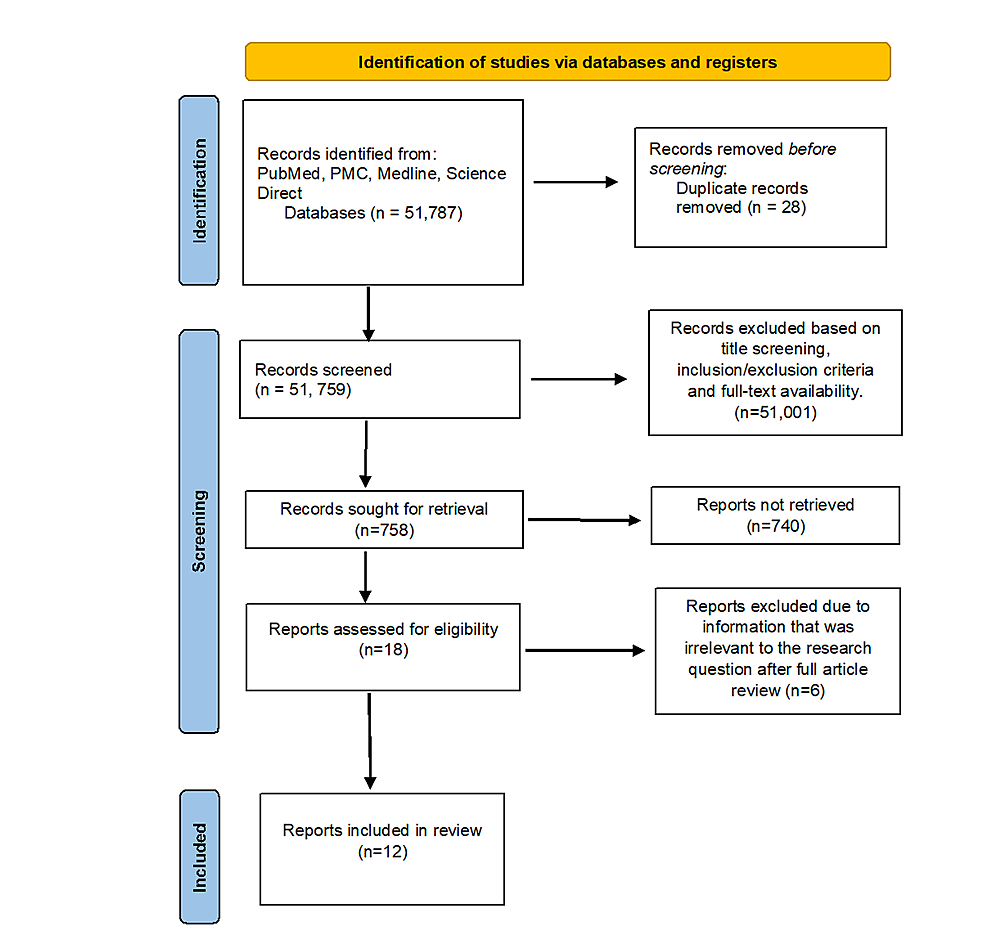
The Effect of Statin Therapy on Inflammatory Biomarkers: A Systematic Review
3-hydroxy-3-methylglutaryl-CoA (HMG-CoA) reductase inhibitors are commonly used drugs in the management of elevated lipid levels and cardiovascular disease. In cardiovascular diseases, among other common chronic conditions, inflammatory biomarkers are used...
-
Lipid Management Connect4yrArticle Highlights • Source: Cureus • Conclusion/Relevance: “Statins have been shown to exhibit a positive effect on lipid levels in addition to an anti-inflammatory effect. High-intensity statins, in particular atorvastatin, have demonstrated good anti-inflammatory Show More
L-theanine Prevents Progression of Nonalcoholichepatic Steatosis by Regulating Hepatocyte Lipid Metabolic Pathways via the CaMKKβ-AMPK Signaling Pathway
Source : https://europepmc.org/article/ppr/ppr396162
Background: L-theanine, a non-protein amino acid found principally in the green tea, has been previously shown to possess potent anti-obesity property and hepatoprotective effect. Herein, we investigated the effects of...
Conclusions:
: Taken together, our findings suggest that L-theanine alleviates nonalcoholic hepatic steatosis by regulating hepatocyte lipid metabolic pathways via the CaMKKβ-AMPK signaling pathway.
ASSOCIATION OF OSTEOPOROSIS WITH DYSLIPIDEMIA IN PRE-MENOPAUSAL WOMEN
Source : https://www.pafmj.org/index.php/PAFMJ/article/view/7409
Aisha Ayyub KMU Institute of Medical Sciences (KIMS), Kohat Pakistan Rizwan Hashim Fazaia Medical College, Islamabad Pakistan Atif Ahmed Khan Combined Military Hospital Okara/ National University of Medical Sciences (NUMS)...
Conclusion: Osteoporosis is associated with dyslipidemia in premenopausal , serum lipid levels in young premenopausal women must be evaluated at regular intervals.
https://www.pafmj.org/index.php/PAFMJ/article/view/7409