
Effect of in-hospital evolocumab therapy on lipoprotein(a) in patients with acute myocardial infarction: a retrospective cohort study and a propensity score matching analysis
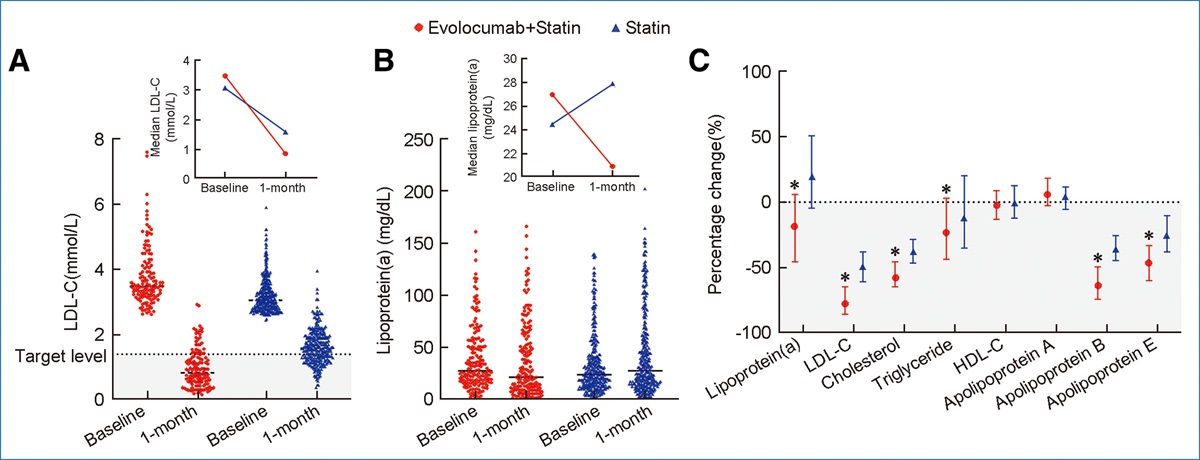
in patients with acute myocardial infarction (AMI) is poorly studied. This study aims to investigate the change in lipoprotein(a) under evolocumab therapy in patients with AMI. Methods: This retrospective cohort...
Conclusions: In-hospital initiation of evolocumab on a background statin therapy reduced lipoprotein(a) level at 1-month follow-up in patients with AMI. Evolocumab plus statin therapy inhibited the increase in lipoprotein(a) in statin only therapy, regardless of the baseline lipoprotein(a) level.
Share




Lipid lowering effects and safety of evolocumab in Chinese patients at very high cardiovascular risk: a single-center study
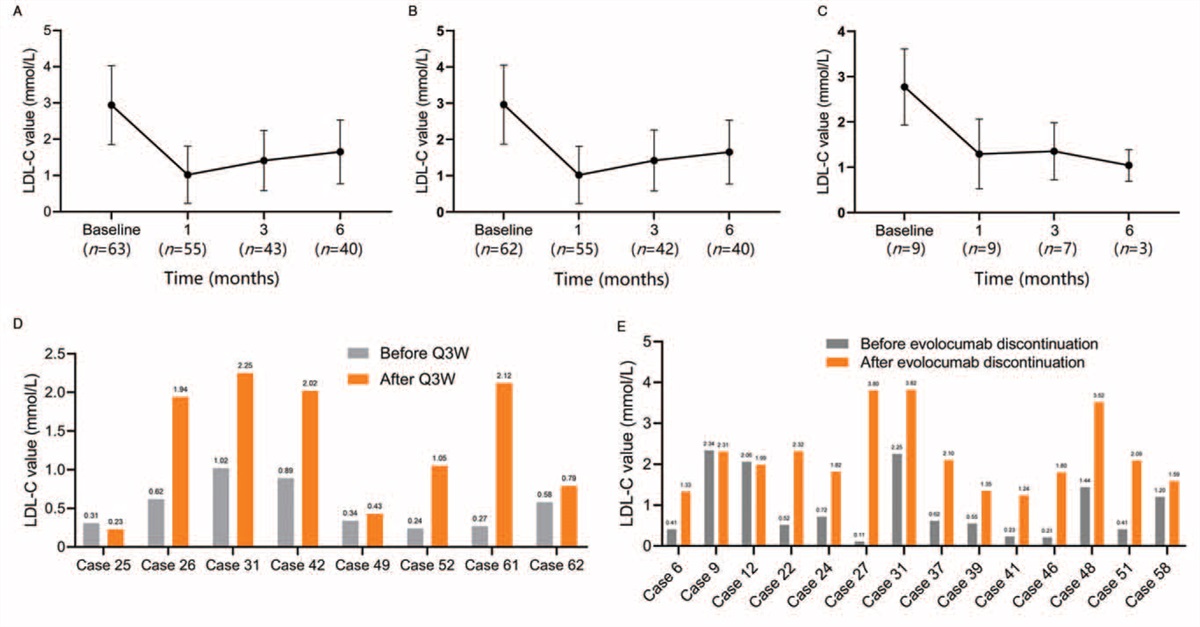
Low-density lipoprotein cholesterol (LDL-C) is an independent risk factor for atherosclerotic cardiovascular disease (ASCVD). Even after lipid-lowering therapy (LLT) with statins or statin-ezetimibe, a large proportion of patients at very...
Conclusion: We describe here our clinical experience with evolocumab prescription in very high-risk Chinese patients and showed similar lipid-lowering effects and safety profiles compared with previous clinical trials. However, a high discontinuation rate primarily due to the high cost and low affordability of evolocumab was reported....
Share
PCSK9 inhibitors for acute coronary syndrome: the era of early implementation
Source : https://www.frontiersin.org/articles/10.3389/fcvm.2023.1138787/full
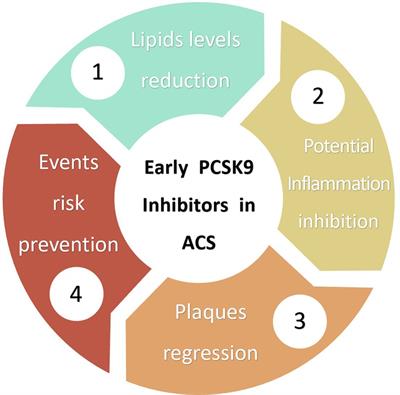
Proprotein convertase subtilisin/kexin type 9 (PCSK9) inhibitors, a new cholesterol-lowering strategy, can decrease low-density lipoprotein cholesterol (LDL-C) levels by inhibiting PCSK9 and reducing the degradation of LDL receptors; thus, they...
Conclusion: The current evidence has demonstrated the benefits of early PCSK9 inhibitors in lipid reduction, plaque stabilization, and short-term or long-term cardiovascular event prevention. Furthermore, most adverse effects resulting from early PCSK9 inhibitors are mild and manageable, consistent with long-term follow-up results. However,...
Share
PCSK9 Inhibition in Patients After Heart Transplantation: a Retrospective Review and Literature Analysis - Current Heart Failure Reports
Source : https://link.springer.com/article/10.1007/s11897-023-00604-2
Purpose of Review Following cardiac transplantation, patients have an increased risk of developing cardiac allograft vasculopathy and atherosclerotic cardiovascular disease. Therefore, aggressive lipid management is indicated. Some patients do not...
Summary: In our study, the 110 patients from literature review were added to a cohort of 7 similar patients from our institution for combined analysis. This report supports that PCSK9 inhibitors should be considered following cardiac transplantation when conventional medial therapy is not tolerated or ineffective.
Share
![Discovery of [5,5'-bibenzo[d][1,3]dioxol]-6-substituted amine derivatives as potent proprotein convertase subtilisin/kexin type 9 inhibitors - PubMed](https://static-content-prd.skipta.com/public/skipta/skipta-post/2023-05/pubmed-meta-image_207.png "Discovery of [5,5'-bibenzo[d][1,3]dioxol]-6-substituted amine derivatives as potent proprotein convertase subtilisin/kexin type 9 inhibitors - PubMed")
Discovery of [5,5'-bibenzo[d][1,3]dioxol]-6-substituted amine derivatives as potent proprotein convertase subtilisin/kexin type 9 inhibitors - PubMed
Source : https://pubmed.ncbi.nlm.nih.gov/37170061/
Proprotein convertase subtilisin/kexin type 9 (PCSK9) has emerged as a promising therapeutic target for the treatment of hyperlipidemia. In discovery of novel small molecules that interfere PCSK9/LDLR protein-protein interaction (PPI),...
Conclusions/Relevance: It is significant that molecules D28 and D29 exhibited potential for the treatment of hyperlipidemia in current in vitro investigations. Generally, lead compounds with novel structures were developed in the present study for further design of lipid-lowering molecules by targeting PCSK9/LDLR PPI.
Share