

PCSK9 inhibitor attenuates atherosclerosis by regulating SNHG16/EZH2/TRAF5-mediated VSMC proliferation, migration, and foam cell formation - PubMed
Source : https://pubmed.ncbi.nlm.nih.gov/37017413/
The .gov means it's official. Federal government websites often end in .gov or .mil. Before sharing sensitive information, make sure you're on a federal government site. The site is secure....
Conclusions/Relevance: The protective regulation of PCSK9 inhibitor was observed both in high-fat diet (HFD)-fed mice and oxidized low-density lipoprotein (ox-LDL)-treated VSMC, as manifested in the decreased the atherosclerotic lesions in vivo, as well as the weakened cell proliferation, migration, and formation of foam cells in vitro....
Share




The cholesterol-lowering effect of statins is modified by LILRB5 intolerance genotype: Results from a recruit-by-genotype clinical trial
Source : https://www.frontiersin.org/articles/10.3389/fphar.2023.1090010/full
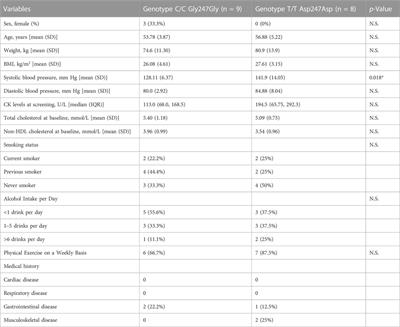
Background/Aims: Statin intolerance leads to poor adherence to statin therapy, resulting in a failure to achieve desired cholesterol reduction and adverse outcomes. The LILRB5 Asp247Gly genotype has been identified as...
Conclusion: The Asp247Gly variant in LILRB5, previously associated with statin intolerance, was associated with differential increases in creatine kinase and total cholesterol and non-HDL cholesterol-lowering response to atorvastatin. Taken together, these results suggest that this variant could have utility in precision cardiovascular...
Share

The N-Acetylgalactosamine-conjugated small interfering RNA inclisiran can be coadministered safely with atorvastatin in cynomolgus monkeys resulting in additive low-density lipoprotein cholesterol reductions - PubMed
Source : https://pubmed.ncbi.nlm.nih.gov/37021909/
Inclisiran, a small interfering RNA, selectively inhibits proprotein convertase subtilisin/kexin type 9 (PCSK9) synthesis in the liver and has been shown to reduce low-density lipoprotein cholesterol (LDL-C) by ≥50% in...
Summary: Inclisiran significantly inhibited PCSK9 synthesis and decreased LDL-C in cynomolgus monkeys without increasing the risk of adverse effects when coadministered with atorvastatin.
Share
Effect of Different Types and Dosages of Proprotein Convertase Subtilisin/Kexin Type 9 Inhibitors on Lipoprotein(a) Levels: A Network Meta-Analysis
on Lp(a) have not been studied in detail. These include two monoclonal antibodies, alirocumab and evolocumab, and inclisiran, a small interfering RNA. We searched PubMed, Web of Science, Embase, and...
Conclusions/Relevance: Therefore, for patients with very high Lp(a) levels who remain at high residual risk in the context of statin administration, it may be acceptable to use a kind of PCSK9 inhibitor, but the clinical benefit needs further investigation.
Share
Effect of PCSK9 inhibition in combination with statin therapy on intracranial atherosclerotic stenosis: A high-resolution MRI study
Source : https://www.frontiersin.org/articles/10.3389/fnagi.2023.1127534/full
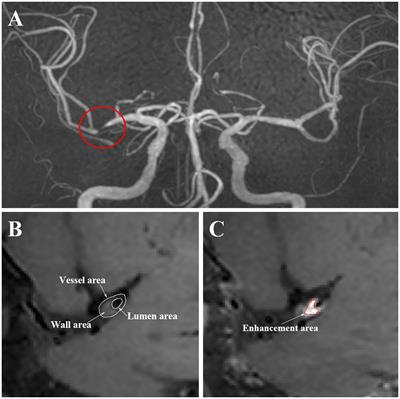
IntroductionIntracranial atherosclerotic stenosis (ICAS) is a common cause of stroke worldwide. Evolocumab, a proprotein convertase subtilisin/kexin type-9 inhibitor (PCSK9i), effectively lowers low-density lipoprotein (LDL) and produces favorable changes in coronary...
Discussion: Statin and PCSK9i combination treatment stabilized intracranial atherosclerotic plaques more often compared to statins alone, as documented by HR-MRI. Further study is warranted to determine if combination treatment improves clinical outcomes in ICAS.
Share