

Lomitapide ameliorates middle cerebral artery occlusion-induced cerebral ischemia/reperfusion injury by promoting neuronal autophagy and inhibiting microglial migration - PubMed
Source : https://pubmed.ncbi.nlm.nih.gov/36052650/
Lomitapide is a lipid-lowering drug, and this is the first study to explore its protective effect on ischemic nerve injury in vitro and in vivo. Our results suggest that lomitapide...
Conclusion: Lomitapide is a lipid-lowering drug, and this is the first study to explore its protective effect on ischemic nerve injury in vitro and in vivo. Our results suggest that lomitapide can be repositioned as a potential therapeutic drug for the treatment of stroke.
Share





The First Report of a Real-World Experience With a PCSK9 Inhibitor in a Large Familial Hyperlipidemia and Very-High-Risk Middle Eastern Population
Source : https://www.clinicaltherapeutics.com/article/S0149-2918(22)00285-5/fulltext
Evolocumab, a monoclonal inhibitor of proprotein convertase subtilisin/kexin 9, has been shown to reduce proatherogenic lipoproteins in patients with or without familial hypercholesterolemia (FH), diabetes mellitus, or atherosclerotic cardiovascular disease...
Implications: This study is the first from the Middle East and North Africa region that reports the real-world efficacy of evolocumab in a mixed risk population of individuals with FH and other non-FH indications. Clinically meaningful and sustained reductions in LDL-C, TG, and cholesterol ratios were observed after evolocumab initiation. Few...
Share
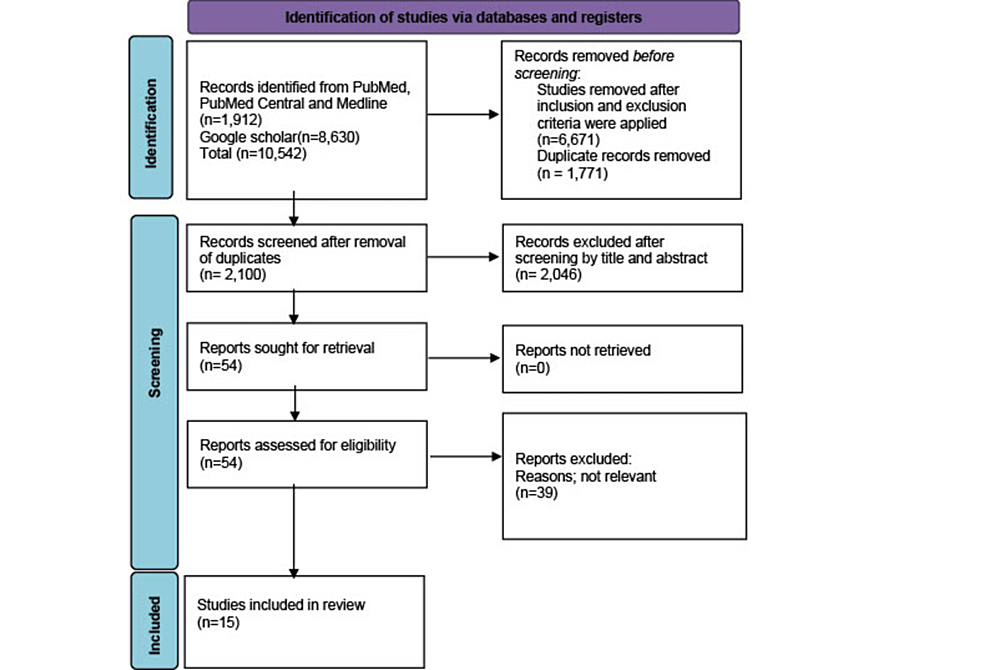
A Systematic Review on the Safety and Efficacy of PCSK9 Inhibitors in Lowering Cardiovascular Risks in Patients With Chronic Kidney Disease
Cardiovascular events caused by dyslipidemia are one of the leading causes of death in patients with Chronic Kidney Disease (CKD). Statins are the first line of treatment for patients with...
Conclusions: Conclusion/Relevance: PCSK9 inhibitors are reliable, safe, and efficient therapy in lowering LDL-C levels in patients with CKD. However, its safety and efficacy in severe and end-stage kidney disease are grey, as other factors such as infections lead to morbidity and mortality. Future trials on chronic kidney disease and PCSK9...
Share
Nutrition interventions for youth with dyslipidemia: a National Lipid Association clinical perspective
Source : https://www.lipidjournal.com/article/S1933-2874(22)00218-5/fulltext
It is well known that atherosclerosis begins in childhood and accelerates by age 20.1 Lifestyle interventions, including a heart-healthy dietary pattern, daily moderate-to-vigerous physical activity, maintaining a healthy body weight,...
Conclusions: The goal of this National Lipid Association Clinical Perspective is to provide guidance for healthcare professionals caring for youth with disorders of lipid and lipoprotein metabolism, including nutritional guidance that complements the use of lipid lowering medications.
Share
-
 Lipid Management Connect3yrKey Points • Source: Journal of Clinical Lipidology • Relevance: “The goal of this National Lipid Association Clinical Perspective is to provide guidance for healthcare professionals caring for youth with disorders of lipid and Show More
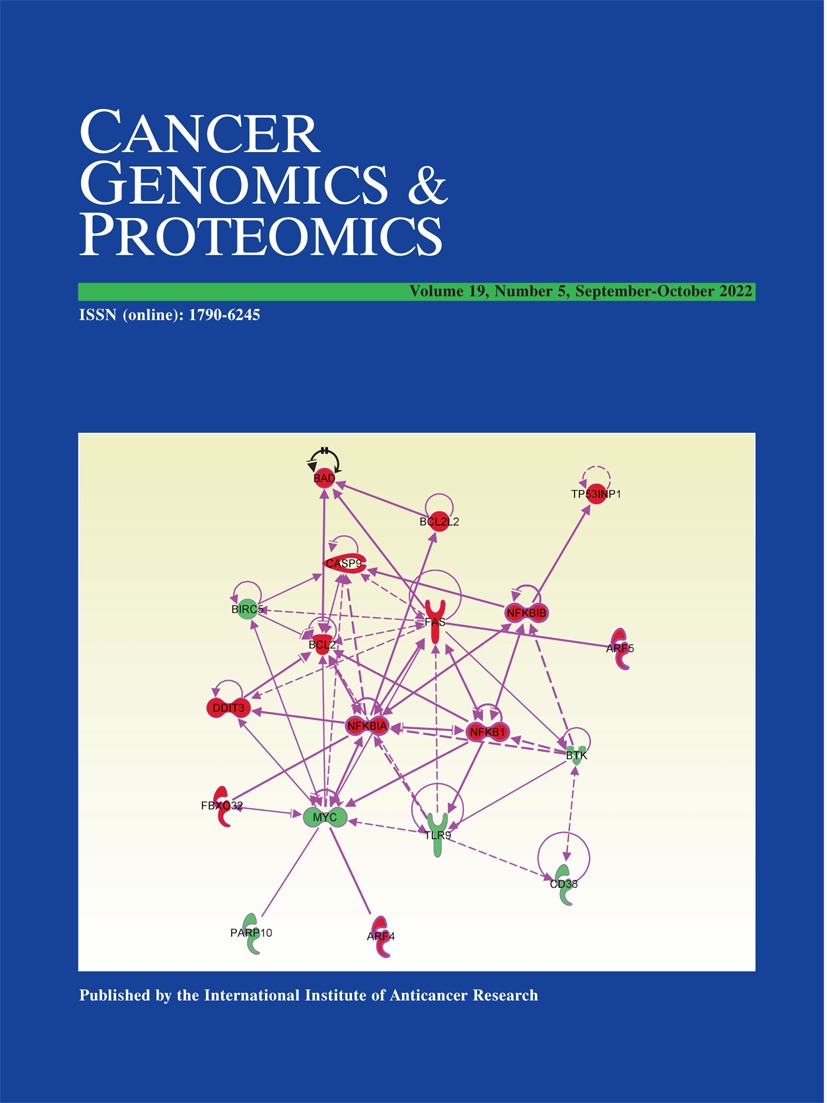
Disruption of Lipid Raft Microdomains, Regulation of CD38, TP53, and MYC Signaling, and Induction of Apoptosis by Lomitapide in Multiple Myeloma Cells
Source : https://cgp.iiarjournals.org/content/19/5/540
Background/Aim: Multiple myeloma (MM) is characterized by accumulation of a malignant clone of plasma cells in the bone marrow. Curative treatments are not yet available. Therefore, we undertook a drug...
Conclusions: Lomitapide treatment led to disruption of lipid raft domains and induction of pro-apoptotic factors and might, therefore, be considered as a potential therapeutic agent in MM.
Share