

C-Reactive Protein, Interleukin-6, Trimethylamine-N-Oxide, Syndecan-1, Nitric Oxide, and Tumor Necrosis Factor Receptor-1 in Heart Failure with Preserved Versus Reduced Ejection Fraction: a Meta-Analysis - Current Heart Failure Reports
Source : https://link.springer.com/article/10.1007/s11897-022-00584-9
Purpose of Review The purpose of this review was to synthesize the evidence on non-traditional biomarkers from proteomic and metabolomic studies that may distinguish heart failure (HF) with preserved ejection...
Conclusions/Relevance: The results further suggest that HFpEF might be distinguishable from HFrEF based on higher levels of IL-6 and lower levels of SDC-1 and NO. These data may reflect pathophysiological differences between HFpEF and HFrEF.
Share





Cost-effectiveness analysis of dapagliflozin in the management of heart failure with reduced ejection fraction (HFrEF): a systematic review - Cost Effectiveness and Resource Allocation
Source : https://resource-allocation.biomedcentral.com/articles/10.1186/s12962-022-00396-7
Objectives This study was aimed to systematically review published economic studies to determine whether dapagliflozin, a sodium-glucose co-transporter inhibitor, plus standard care therapy (SCT) is cost-effective in heart failure with...
Conclusion: Results of cost-effectiveness analyses showed that adjunct dapagliflozin plus SCT is cost-effective compared to SCT alone despite the additional costs of the drug. Finally it can be concluded that dapagliflozin is a worldwide cost-effective as an adjunct medicine in HFrEF management.
Share
-
 Heart Failure Connect3yrKey Points • Source: Cost Effectiveness and Resource Allocation • Conclusion: “From the present systematic review results, it can be concluded that dapagliflozin, as a cardioprotective SGLT-2i, was cost-effective in most of the studied Show More

Synthetic growth hormone-releasing hormone agonist ameliorates the myocardial pathophysiology characteristic of HFpEF - PubMed
Source : https://pubmed.ncbi.nlm.nih.gov/35704032/
The .gov means it's official. Federal government websites often end in .gov or .mil. Before sharing sensitive information, make sure you're on a federal government site. The site is secure....
Conclusion: These findings indicate that the GHRH receptor signalling pathway(s) represents a new molecular target to counteract dysfunctional cardiomyocyte relaxation by targeting myofilament phosphorylation and fibrosis. Accordingly, activation of GHRH receptors with potent, synthetic GHRH agonists may provide a novel therapeutic approach to...
Share
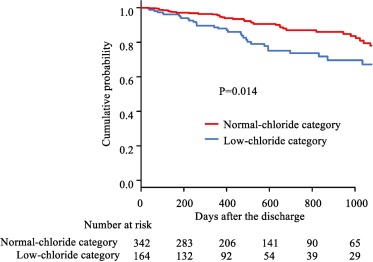
Renin-angiotensin system inhibitor exerts prognostic effects in HFpEF patients with low baseline chloride level
Source : https://www.internationaljournalofcardiology.com/article/S0167-5273(22)01737-5/fulltext
Few interventions have shown improved prognosis in patients with heart failure and preserved ejection fraction (HFpEF). Serum chloride levels, which are affected by serum renin secretion, are associated with the...
Conclusion: RASi administration was associated with an improved prognosis only in HFpEF patients with a low baseline serum chloride level. Clinicians should consider RASi administration if patients' serum chloride levels are low, to improve the long-term prognosis of HFpEF patients.
Share
Conclusions: The authors conclude that the db/db aldosterone model may represent a distinct clinical subgroup of HFpEF that has marked hyperglycemia, obesity, and increased arrhythmia risk. This novel HFpEF model can be useful in future therapeutic testing and should provide unique opportunities to better understand disease pathobiology.
Share