
Heart Failure Connect
Profile Image
  • Saved
World Heart Day 2026: Beyond LDL-C—What Does Lp(a) Change?

Cardiovascular prevention is expanding beyond the standard lipid panel. For World Heart Day, updated guidance and emerging research on lipoprotein(a) [Lp(a)] bring a practical question into focus: how can identifying inherited risk change prevention decisions?

Updated guidance: a broader view of cardiovascular risk

The 2026 ACC/AHA multisociety dyslipidemia guideline recommends measuring Lp(a) at least once in adulthood. It also introduces PREVENT-ASCVD risk estimation and restores risk-based LDL-C and non–HDL-C treatment goals, reinforcing a more individualized approach to prevention.¹

For patients with elevated Lp(a), the clinical relevance extends beyond identifying another abnormal laboratory value. The guideline supports more intensive LDL-C lowering and management of other cardiovascular risk factors—connecting recognition of inherited risk with actions available today.¹

Emerging research: targeting Lp(a) itself

RNA-based approaches are also advancing. A 2025 phase 2 randomized trial involving 320 participants found substantial, sustained Lp(a) reductions with an investigational small interfering RNA targeting hepatic apolipoprotein(a) production. Generally mild injection-site reactions occurred; serious adverse events were reported but were not considered treatment-related by investigators. The study established biomarker lowering, not a reduction in cardiovascular events.²

What LinQ adds: a year-over-year real-world signal

Against this evolving clinical backdrop, an analysis using NorstellaLinQ Real-World Data Explorer examined patients with at least one selected structured Lp(a) result in 2024 and 2025. Patient counts increased across three laboratory sources:

Laboratory sourceIncrease in patients with a recorded Lp(a) result, 2024–2025
Source A47.3%
Source B62.8%
Source C65.3%

A similar upward trend was reported in a US electronic health record study published in 2025, which found an increase in patients tested annually for Lp(a) between 2015 and 2024.³

These findings show growth in recorded Lp(a) results before the 2026 guideline. They do not establish testing rates, the clinical reason for assessment, or changes in management; source coverage and data capture may also contribute.

Together, the developments raise a practical issue for cardiovascular care: how to translate an elevated Lp(a) result into a personalized prevention plan.

Join the discussion

  1. How are you incorporating once-in-adulthood Lp(a) measurement into your workflow, and what would make implementation easier?
  2. When Lp(a) is elevated but LDL-C is already at the patient’s current goal, what most influences your next step in risk assessment or prevention?

LinQ source: NorstellaLinQ Real-World Data Explorer. Adults aged ≥18 years with at least one selected structured Lp(a) result reported in mg/dL or nmol/L during calendar years 2024 and 2025. Percentages represent year-over-year changes in patient counts within each laboratory source, analyzed separately; they are not testing rates. Analysis conducted September 2026. Findings may be affected by source coverage, data availability, linkage, and result mapping. Testing indication, ordering specialty, and first-time versus repeat testing were not assessed.

Profile Image
  • 6h
    I incorporate Lp(a) as an additional risk-enhancing factor, particularly when there is premature ASCVD or a strong family history. If Lp(a) is elevated despite LDL-C being at goal, I would Show More

  • Saved
ENDO 2026: Evolving Incretin Therapies and Cardiovascular Considerations

Erik Nelson, PhD, Professor at the University of Illinois Urbana-Champaign and Basic Science Chair for ENDO 2026, highlighted research involving cholesterol regulation and the evolution of GLP-1/GIP agonist therapies for diabetes and obesity. He also discussed their reported cardiovascular benefits and other areas of ongoing investigation. Micah Eimer, MD, General Cardiologist at Northwestern Medicine in Chicago, presented a study examining hypotension among patients who initiated GLP-1–based therapy while taking antihypertensive medications. His observations highlight the importance of monitoring low blood pressure, falls, and fainting in this clinical setting.

Profile Image
  • Saved
Cardinal trial: Tonlamarsen shows sustained RAAS suppression and BP reduction in uncontrolled hypertension at ACC 2026

Dr. Luke Laughlin (Preventive Cardiologist, Cleveland Clinic) presented the Cardinal trial at ACC 2026, where Tonlamarsen, an investigational antisense oligonucleotide, reduced angiotensinogen by 67% with ongoing dosing and maintained 23% suppression after a single dose. Despite biochemical differences, both groups achieved similar ~7 mmHg systolic BP reductions, suggesting BP lags behind RAAS suppression. The upcoming Cardinal-ASH study will target acute severe hypertension patients to further evaluate its impact.

Profile Image
  • Saved

Did you know? Not all hypertrophic cardiomyopathy is sarcomeric. Nearly 40% of patients have HCM phenocopies—such as amyloidosis, Fabry disease, or metabolic disorders—that mimic classic HCM but differ in prognosis and treatment. Integrating ECG, echocardiography, cardiac MRI, and genetic testing is essential to ensure accurate diagnosis and guide disease-specific management.

Could routinely screening for HCM phenocopies help cardiologists avoid misdiagnosis and enable earlier, targeted interventions?

 NCCN Guidelines

Could routinely screening for HCM phenocopies help cardiologists avoid misdiagnosis and enable earlier, targeted interventions?

Profile Image
  • Saved
Background Image DesktopBackground Image Mobile

Emerging evidence shows that carefully prescribed exercise and cardiac rehabilitation can be safe and beneficial for selected patients with cardiomyopathies. A risk-stratified, shared decision-making approach helps balance arrhythmic risk with functional and heart failure benefits.

Explore evidence-based exercise guidance

Profile Image
  • Saved
Profile Image
  • Saved
Transradial cardiac catheterization reduces risk and enhances outcomes

Cardiac catheterization remains a cornerstone of cardiovascular care, supporting both diagnostic evaluation and interventional management across a wide range of heart conditions. Although the procedure is inherently invasive, its safety profile has improved substantially over time due to advances in technique, imaging, device technology, and coordinated, team-based care. One of the most impactful developments has been the increased adoption of transradial access.

Compared with transfemoral (groin) access, the transradial (wrist) approach is associated with lower rates of bleeding and vascular complications, earlier ambulation, and improved patient comfort. These benefits have contributed to shorter hospital stays and broader use of same-day discharge protocols in appropriately selected patients.

Highlights:

• Cardiac catheterization is performed more than one million times annually in the United States for indications including coronary artery disease, arrhythmias, and valvular heart disease.

• Transradial access has demonstrated favorable safety and patient-centered outcomes compared with transfemoral access in many clinical settings.

• Major complications are uncommon in diagnostic procedures (<1%) but may include stroke (0.05%–0.1%), myocardial infarction (<0.1%), and contrast-associated acute kidney injury, reported in approximately 7% of cases.

• Access site–related events such as hematoma or radial artery occlusion (~5%) are generally manageable with appropriate patient selection, technique, and preprocedural assessment.

• Use of ultrasound guidance and targeted risk mitigation—such as hydration strategies for kidney protection and premedication for contrast hypersensitivity—further enhance procedural safety.

What Sets This Study Apart:

This synthesis highlights the evolving safety profile of cardiac catheterization while emphasizing evidence supporting transradial access. It integrates procedural data, complication trends, and multidisciplinary strategies that help optimize outcomes across diverse patient populations.

Limitations:

Despite ongoing improvements, individuals with significant comorbidities—including chronic kidney disease, left ventricular dysfunction, or acute coronary syndromes—remain at higher procedural risk. Operator experience and consistent adherence to evidence-based protocols continue to influence outcomes.

How do your post-catheterization protocols address renal risk and bleeding surveillance in higher-risk patients?

Profile Image
  • Saved
A case of secondary oxalate nephropathy with nephrotic syndrome - PubMed

A case of secondary oxalate nephropathy with nephrotic syndrome - PubMed

Source : https://pubmed.ncbi.nlm.nih.gov/41465941/

Although traditional Chinese medicine is widely used in China, its potential to cause secondary oxalate nephropathy is often overlooked. Early renal biopsy is essential for accurate diagnosis and timely intervention...

Case report describes young man developing nephrotic syndrome with secondary oxalate nephropathy after traditional Chinese medicine use, emphasizing early renal biopsy, multidisciplinary management, and timely intervention to reverse renal failure.

Profile Image
  • Saved
Prioritizing GDMT: Early initiation and risk stratification transform heart failure outcomes.

Heart failure (HF) remains a leading cause of morbidity and mortality, but timely initiation and optimization of guideline-directed medical therapy (GDMT) can meaningfully improve outcomes. In patients with HFrEF, comprehensive quadruple therapy—including a RAAS inhibitor, beta-blocker, mineralocorticoid receptor antagonist (MRA), and SGLT2 inhibitor—can reduce mortality by over 70%. Trials such as STRONG-HF have demonstrated that early, in-hospital or post-discharge uptitration lowers rehospitalization and death rates.

Comorbidities—particularly the cardiovascular–kidney–metabolic overlap—complicate management but highlight the need for individualized care. RAAS inhibitors reduce intraglomerular pressure and proteinuria. SGLT2 inhibitors decrease glucose reabsorption and myocardial stress, benefiting patients with or without diabetes. Nonsteroidal MRAs may also reduce renal decline and cardiovascular events in patients with type 2 diabetes and CKD. Therapy decisions must consider renal function, potassium levels, and blood pressure.

Risk stratification with tools such as LVEF, NT-proBNP, and NYHA class can guide therapy intensity and follow-up. For example, elevated NT-proBNP levels post-GDMT initiation are prognostic and can help refine monitoring strategies.

Multidisciplinary HF programs—including pharmacist-led titration, digital tools, and remote monitoring—can reduce readmissions by up to 40% and mortality by 25%.

How can your team best use pharmacist-led or digital titration to accelerate GDMT optimization in HFrEF? What strategies have been effective in overcoming therapeutic inertia and improving adherence?

Profile Image
  • 9mo
    Since HR and BP along with careful laboratory analysis heavily factor into dose up-titration, a pharmacist would need access to these variables to more effectively do so. Labs are Show More
  • 9mo
    The benefit of pharmacists incorporation in heart failure is definitely a bonus for hospitals that allow for this type of modality in their heart failure clinic. In addition to pharmacists Show More

Show More Comments

  • Saved
Time-varying comparative effectiveness of surgical or percutaneous revascularization on patient-centred outcomes - PubMed

Time-varying comparative effectiveness of surgical or percutaneous revascularization on patient-centred outcomes - PubMed

Source : https://pubmed.ncbi.nlm.nih.gov/41360633/

The comparative risk of PACE after CABG versus PCI varied significantly over time. These findings provide granular data to support physicians and patients engaged in shared decision-making about revascularization strategies.

CABG and PCI show similar overall PACE risk, but time-varying patterns differ: CABG has higher early risk, lower mid-term risk, and higher late risk. Results inform individualized, shared revascularization decisions.

Profile Image
  • Saved
Successful application of innovative hybrid anticoagulation in continuous renal replacement therapy for an ultra-elderly patient: a case report - PubMed

Successful application of innovative hybrid anticoagulation in continuous renal replacement therapy for an ultra-elderly patient: a case report - PubMed

Source : https://pubmed.ncbi.nlm.nih.gov/41345842/

The innovative hybrid anticoagulation strategy effectively prolonged CRRT circuit longevity in an ultra-elderly patient at high risk of citrate accumulation without procedure-associated complications. This approach represents a promising alternative for...

Hybrid low-dose citrate plus nafamostat anticoagulation maintained CRRT circuit patency without complications in a high-risk ultra-elderly patient, offering a viable alternative when standard citrate is unsafe or ineffective.

Profile Image
  • Saved
Delayed Diagnosis of Cor Triatriatum Dexter: A Case Report and Comprehensive Review of Embryology, Imaging, and Management - PubMed

Delayed Diagnosis of Cor Triatriatum Dexter: A Case Report and Comprehensive Review of Embryology, Imaging, and Management - PubMed

Source : https://pubmed.ncbi.nlm.nih.gov/41164062/

Cor triatriatum dexter (CTD) is a rare congenital cardiac anomaly resulting from the persistence of the right valve of the sinus venosus, leading to partial or complete partitioning of the...

Rare congenital cor triatriatum dexter caused right-atrial partitioning and venous obstruction in a woman with chronic congestion; multimodality imaging enabled diagnosis, underscoring CTD as a key mimic of right-sided heart failure.

Profile Image
  • Saved
AHA Scientific Sessions 2025: Transformative advances in cardiovascular care

Dr. Joanna Chikwui, Chief of Cardiac Surgery at Cedars-Sinai and Chair of AHA Scientific Sessions, spotlighted significant breakthroughs across cardiology. Updates included novel therapies for hyperlipidemia, gene-editing tools for inherited cardiovascular risk, innovations in atrial fibrillation management, and compelling lifestyle findings—including a surprising inverse relationship between moderate coffee intake and AF incidence.

Dr. Heidi May, Epidemiologist at Intermountain Health, presented results from the Target-D randomized trial, which found that personalized vitamin D dosing after myocardial infarction significantly reduced the risk of recurrent heart attack. These findings underscore the importance of individualized supplementation strategies and signal a broader shift toward precision prevention and risk stratification in cardiovascular care.

Share your thoughts

Profile Image
  • Saved
Early initiation of guideline-directed medical therapy in patients with cardiogenic shock supported with Impella®: a two-center retrospective study - PubMed

Early initiation of guideline-directed medical therapy in patients with cardiogenic shock supported with Impella®: a two-center retrospective study - PubMed

Source : https://pubmed.ncbi.nlm.nih.gov/41257682/

Our findings suggest that early initiation of GDMT during ICU stabilization is associated with improved 6-month outcomes in survivors of cardiogenic shock. This hypothesis-generating study provides a rationale for future...

Early GDMT initiation during ICU care for Impella-supported cardiogenic shock improved 6-month survival and reduced heart failure readmissions, with higher discharge GDMT intensity supporting a goal-directed strategy needing prospective validation.

Profile Image
  • Saved
Running on empty: Factors underpinning impaired cardiac output reserve in heart failure with preserved ejection fraction - PubMed

Running on empty: Factors underpinning impaired cardiac output reserve in heart failure with preserved ejection fraction - PubMed

Source : https://pubmed.ncbi.nlm.nih.gov/38421268/

Heart failure with preserved ejection fraction (HFpEF) is frequently attributed etiologically to an underlying left ventricular (LV) diastolic dysfunction, although its pathophysiology is far more complex and can exhibit significant...

HFpEF involves diverse mechanisms impairing cardiac output reserve, including LV diastolic/systolic dysfunction, vascular stiffness, atrial and right ventricular abnormalities, valve disease, and chronotropic issues, supporting phenotype-guided, personalized therapeutic strategies.

Profile Image
  • Saved
infographic
Profile Image
  • Saved
Background Image DesktopBackground Image Mobile

Next-Generation Sequencing (NGS) enables molecular autopsy in unexplained Sudden Cardiac Death (SCD) among the young. It identifies inherited cardiac disorders, aiding diagnosis and guiding family risk. VUS interpretation remains a diagnostic challenge.

Explore Molecular Autopsy with NGS today

Profile Image
  • Saved

Did you know? In a recent study of acute cardiological emergencies, ChatGPT-4o matched cardiologists with 100% accuracy and far outpaced emergency physicians. With an average response time of just 11.27 minutes, it proved faster and more precise—highlighting AI’s potential as a reliable assistant in urgent care settings.

How might AI's unparalleled speed and high accuracy in critical medical scenarios enhance clinical decision-making in emergency departments?

 NCCN Guidelines

How might AI's unparalleled speed and high accuracy in critical medical scenarios enhance clinical decision-making in emergency departments?

Profile Image
  • Saved
Bereaved Caregivers' Experiences of End of Life Care For People With Advanced Heart Failure: A Narrative Synthesis - PubMed

Bereaved Caregivers' Experiences of End of Life Care For People With Advanced Heart Failure: A Narrative Synthesis - PubMed

Source : https://pubmed.ncbi.nlm.nih.gov/36113134/

Bereaved caregivers experience unique and significant challenges when caring for someone dying from Heart Failure. However, further research is required to greater understand the experiences of bereaved caregivers of people...

This systematic review of 8 studies found bereaved caregivers of advanced heart failure patients face poor prognosis communication, high burden, and limited formal support, underscoring the need for integrated, compassionate palliative care.

Profile Image
  • Saved
case study

Patient Background:

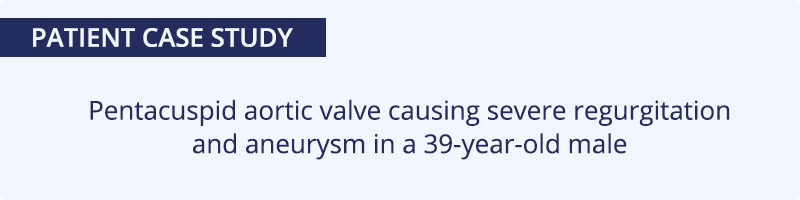
A 39-year-old male presented with exertional dyspnea, orthopnea, and shortness of breath. He was an active smoker with a history of pulmonary edema 10 months prior. On admission, his blood pressure was 120/70 mmHg, and he was receiving bisoprolol, ramipril, and furosemide. Though family history was unspecified, aortic dilation prompted consideration of first-degree relative screening, as recommended in bicuspid valve disease.

Assessment & Diagnosis:

Transthoracic echocardiography revealed severe aortic regurgitation (grade 4+), a left ventricular end-diastolic diameter of 65 mm, and preserved ejection fraction of 56%. The ascending aorta measured 54 mm. Preoperative imaging suggested a bicuspid aortic valve; however, intraoperative inspection revealed a rare pentacuspid aortic valve with five variably sized cusps, some exhibiting partial fusion. The final diagnosis was severe aortic regurgitation and ascending aortic aneurysm due to a pentacuspid valve anomaly.

  1. Why is pentacuspid aortic valve important in the workup of severe AR?
  2. How does early surgical intervention influence long-term outcomes in such patients?
Profile Image