






Heart Failure Connect
Profile Image
  • Saved
Heart Rate Recovery: Up to Date in Heart Failure-A Literature Review

Heart Rate Recovery: Up to Date in Heart Failure-A Literature Review

Source : https://pubmed.ncbi.nlm.nih.gov/38893039/

The rising prevalence of cardiovascular disease underscores the growing significance of heart failure (HF). Pathophysiological insights into HF highlight the dysregulation of the autonomic nervous system (ANS), characterized by sympathetic...

This study highlights the importance of heart rate recovery (HRR) in cardiovascular assessments and the need for standardized evaluation protocols, especially in heart failure, to improve diagnostics and patient care.

Profile Image
  • Saved
Blood pressure and heart failure: focused on treatment

Blood pressure and heart failure: focused on treatment

Source : https://pubmed.ncbi.nlm.nih.gov/38822445/

Heart failure (HF) remains a significant global health burden, and hypertension is known to be the primary contributor to its development. Although aggressive hypertension treatment can prevent heart changes in...

Addressing low BP in HF patients is complex, requiring individualized treatment strategies based on patient conditions, comorbidities, and HF etiology, as a one-size-fits-all approach is ineffective.

Profile Image
  • Saved
Targeting cardiomyocyte cell cycle regulation in heart failure

Targeting cardiomyocyte cell cycle regulation in heart failure

Source : https://pubmed.ncbi.nlm.nih.gov/38683371/

Heart failure continues to be a significant global health concern, causing substantial morbidity and mortality. The limited ability of the adult heart to regenerate has posed challenges in finding effective...

The massive loss of cardiomyocytes after cardiac injury and their subsequent replacement by fibrotic tissue is the major cause of heart failure, while the cardiomyocytes have limited proliferative capacity. Therefore, inducing resident cardiomyocytes to re-enter the cell cycle and progress through mitosis and cytokinesis is the most...

Profile Image
  • Saved
Myocardial Inflammation in Heart Failure With Reduced and Preserved Ejection Fraction

Myocardial Inflammation in Heart Failure With Reduced and Preserved Ejection Fraction

Source : https://pubmed.ncbi.nlm.nih.gov/38843295/

Heart failure (HF) is characterized by a progressive decline in cardiac function and represents one of the largest health burdens worldwide. Clinically, 2 major types of HF are distinguished based...

To regulate immune responses in heart failure (HF) through blocking the proinflammatory cytokine TNF-α failed despite promising preclinical data and success in autoimmune diseases. Recent discoveries, such as the production of the cytokine Oncostatin M in HF patients, which makes them unresponsive to anti-TNF-α treatment, highlight the need...

Profile Image
  • Saved
Integration mapping of cardiac fibroblast single-cell transcriptomes elucidates cellular principles of fibrosis in diverse pathologies

Integration mapping of cardiac fibroblast single-cell transcriptomes elucidates cellular principles of fibrosis in diverse pathologies

Source : https://pubmed.ncbi.nlm.nih.gov/38905342/

Single-cell technology has allowed researchers to probe tissue complexity and dynamics at unprecedented depth in health and disease. However, the generation of high-dimensionality single-cell atlases and virtual three-dimensional tissues requires...

Single-cell technology has allowed researchers to probe tissue complexity and dynamics at unprecedented depth in health and disease. However, the generation of high-dimensionality single-cell atlases and virtual three-dimensional tissues requires integrated reference maps that harmonize disparate experimental designs, analytical pipelines,...

Profile Image
  • Saved
Loop diuretic discontinuation in chronic heart failure patients: A retrospective study

Loop diuretic discontinuation in chronic heart failure patients: A retrospective study

Source : https://pubmed.ncbi.nlm.nih.gov/38906521/

In our cohort, loop diuretic discontinuation was possible and safe in a large proportion of patients. The results should be interpreted with caution and cannot be extrapolated to a broader...

In our cohort, loop diuretic discontinuation was possible and safe in a large proportion of patients. The results should be interpreted with caution and cannot be extrapolated to a broader population of HF patients.

Profile Image
  • Saved
Guideline-directed medical therapy for heart failure

Heart failure (HF) with preserved ejection fraction (HFpEF), which is defined as HF with left ventricular ejection fraction (LVEF) of 50% or more, accounts for more than 50% of HF cases in the United States, and its incidence continues to rise. Historically, treatment for HFpEF was limited to the management of comorbidities, but newer clinical data have established sodium-glucose transport protein 2 (SGLT2) inhibitors as an effective treatment option. The American College of Cardiology (ACC) now recommends initiating SGLT2 inhibitor therapy in all patients with HFpEF.

Inhibitors of SGLT2 also play a key role in treating HF with reduced ejection fraction (HFrEF), in which LVEF is 40% or less. In its 2024 update, the ACC recommends starting treatment for symptomatic HFrEF with the “4 pillars”:

  1. Angiotensin receptor-neprilysin inhibitor
  2. Beta blocker
  3. Mineralocorticoid antagonist
  4. SGLT2 inhibitor

In your patients, how do you manage HF, regardless of ejection fraction?

Profile Image
  • 2yr
    I am still a little old fashioned and like to use inexpensive medications at time of first diagnosis. Patients may rebel if hit with too many medications at once Show More
  • 2yr
    I tend to use the same medications regardless of Lvef. Which medication I start with depends on how congested they are and what their blood pressure is. Show More


Show More Comments

  • Saved

These findings provide insight into the shared pathobiology of heart failure and frailty in late life and suggest potential molecular pathways that can be targeted by interventions to mitigate the burden of both conditions.

Profile Image
  • Saved

The overall picture of the study encourages the use of DAPA in the primary prevention of cardiomyopathies induced by anthracyclines in patients with cancer.

Profile Image
  • Saved
Atrial fibrillation: pathophysiology, genetic and epigenetic mechanisms

Atrial fibrillation: pathophysiology, genetic and epigenetic mechanisms

Source : https://pubmed.ncbi.nlm.nih.gov/38722319/

In summary, this study underscores that, despite the influence of biologic therapy on certain markers, standard allergy tests remain viable while emphasizing the importance of considering specific IgE levels rather...

In summary, this study underscores that, despite the influence of biologic therapy on certain markers, standard allergy tests remain viable while emphasizing the importance of considering specific IgE levels rather than relying solely on CAP classes. The Skin Prick Test in particular proves to be a reliable tool for identifying sensitizations...

Profile Image
  • Saved
Amyloid and collagen templates in aortic valve calcification

Amyloid and collagen templates in aortic valve calcification

Source : https://pubmed.ncbi.nlm.nih.gov/38845326/

Calcific aortic valve disease (CAVD) is a widely prevalent heart disorder in need of pharmacological interventions. Calcified areas in aortic valves often contain amyloid fibrils that promote calcification in vitro....

Lipoprotein(a), a genetic risk factor for CAVD, augments calcification via several mechanisms, wherein hydrolysis of oxidized phospholipids (oxPLs) by Lp(a)-associated enzymes helps generate orthophosphate, and apolipoprotein(a) blocks plasmin-induced fibril degradation. Current studies of amyloid-calcium-collagen interactions in solution and...

Profile Image
  • Saved

Patients living with HIV infection had a higher risk of all-cause mortality, major adverse CV events, recurrent acute coronary syndromes, and admission for HF after the index event, despite being approximately 11 years younger at the time of the event.

Profile Image
  • Saved

Catheter ablation of atrial fibrillation compared with conventional medical therapies was associated with reduced risk of HF events in patients with reduced ejection fraction.

Profile Image
  • Saved

Physiology-guided complete revascularization effectively improved outcomes and decreased complication rate, irrespective of high bleeding risk status.

Profile Image
  • Saved

Ventricular tachycardia or ventricular fibrillation occurring ≥1 days after primary PCI and associated with cardiac arrest was rare, occurring in 0.4% of all patients and 0.1% of patients with uncomplicated STEMI.

Profile Image
  • Saved

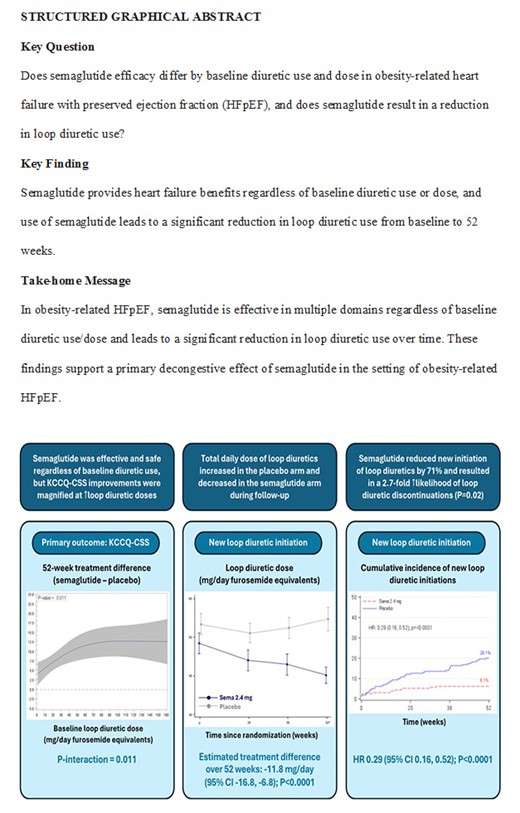
In obesity-related HF with preserved ejection fraction, semaglutide was effective in multiple domains, regardless of baseline diuretic use/dose, and let to a significant reduction in loop diuretic use over time.

Profile Image
  • Saved

The greatest reversals were seen in those aged <45 and 45-64 years, men, Non-Hispanic Black individuals, and those living in rural areas, the South, and the Midwest.

Profile Image
  • Saved
FFR-Guided Complete or Culprit-Only PCI in Patients with Myocardial Infarction

FFR-Guided Complete or Culprit-Only PCI in Patients with Myocardial Infarction

Source : https://pubmed.ncbi.nlm.nih.gov/38587995/

Among patients with STEMI or very-high-risk NSTEMI and multivessel coronary artery disease, FFR-guided complete revascularization was not shown to result in a lower risk of a composite of death from...

Fractional flow reserve–guided complete revascularization was not shown to result in a lower risk of a composite of death from any cause, MI, or unplanned revascularization than culprit-lesion-only PCI at 4.8 years.

Profile Image
  • Saved
Beta-Blockers After Myocardial Infarction and Preserved Ejection Fraction

Beta-Blockers After Myocardial Infarction and Preserved Ejection Fraction

Source : https://pubmed.ncbi.nlm.nih.gov/38587241/

Among patients with acute myocardial infarction who underwent early coronary angiography and had a preserved left ventricular ejection fraction (≥50%), long-term beta-blocker treatment did not lead to a lower risk...

Beta blockers did not lead to a lower cumulative incidence of the secondary endpoints (death from any cause, death from CV causes, MI, hospitalization for atrial fibrillation, and hospitalization for HF).

Profile Image
  • Saved
Causes and Clinical Outcomes of Patients Who Failed Screening for Transcatheter Tricuspid Valve Interventions

Causes and Clinical Outcomes of Patients Who Failed Screening for Transcatheter Tricuspid Valve Interventions

Source : https://pubmed.ncbi.nlm.nih.gov/38582312/

Transcatheter tricuspid valve intervention (TTVI) has recently emerged as a promising alternative to surgery for tricuspid regurgitation (TR). However, a significant proportion of patients fail screening for TTVI, and little...

The clinical outcomes of these patients who received optimized medical therapy alone were poor, with a 1-year composite of cardiac death or heart failure readmission of 47.4%.

Profile Image