


Greater perceived economic burden was associated with higher risk of 1-year all-cause mortality and worse health status but not with rehospitalization for heart failure.

Red Blood Cell Distribution Width (RDW) Is Associated With Unfavorable Functional Outcome After Transfemoral Transcatheter Aortic Valve Implantation
Source : https://pubmed.ncbi.nlm.nih.gov/38496258/
Elevated preprocedural RDW identifies patients at risk for impaired functional outcome after TAVI and may represent a useful low-cost parameter to guide intensity of outpatient surveillance strategies.
Elevated preprocedural red blood cell distribution width identifies patients at risk for impaired functional outcome after TAVI and may represent a useful low-cost parameter to guide intensity of outpatient surveillance strategies.

Radiomics From Cardiovascular MR Cine Images for Identifying Patients With Hypertrophic Cardiomyopathy at High Risk for Heart Failure
Source : https://pubmed.ncbi.nlm.nih.gov/38385758/
Purpose To develop a model integrating radiomics features from cardiac MR cine images with clinical and standard cardiac MRI predictors to identify patients with hypertrophic cardiomyopathy (HCM) at high risk...
The combined model with radiomics features and clinical and standard cardiac MRI parameters accurately identified patients with hypertrophic cardiomyopathy at high risk for heart failure.
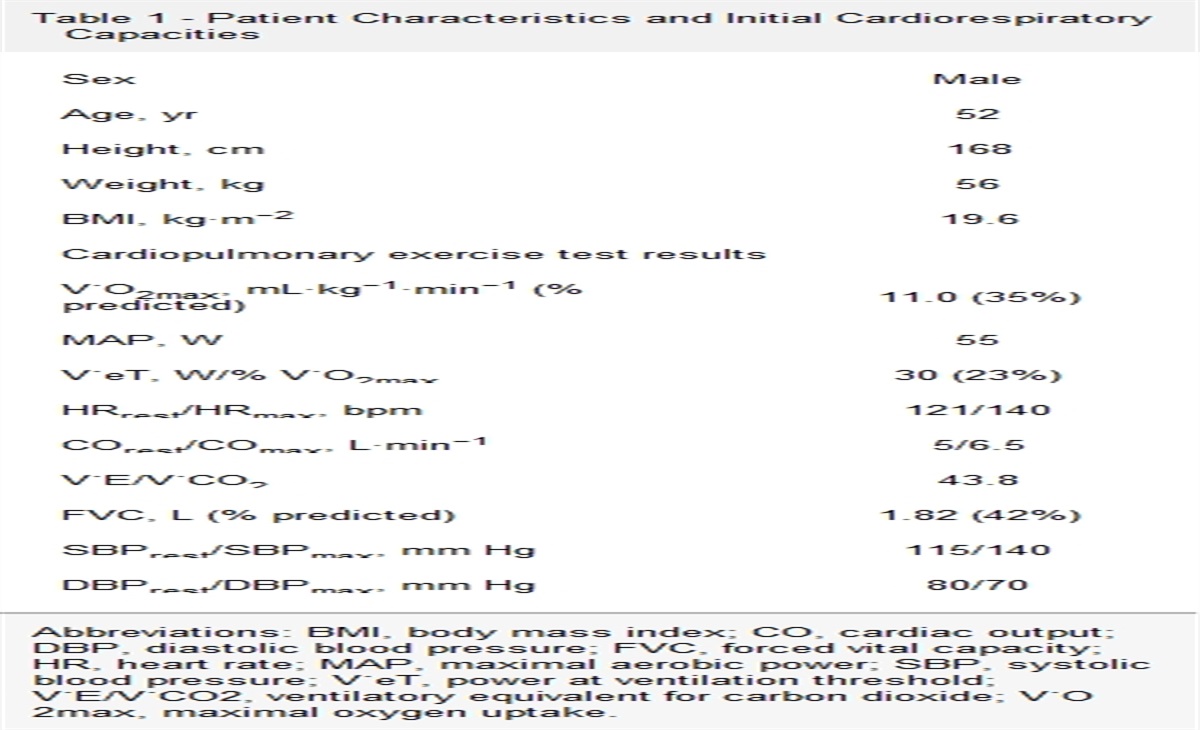
Prehabilitation Using a Cardiac Rehabilitation Program for a Patient With a Total Artificial Heart Prior to Heart Transplantation
This technology aims to address the various subsequent shortfalls of organs. This report reviews the impact of a prehabilitation on a patient with an Aeson TAH (Carmat). Discussion: We assessed...
Similar functional improvements were observed over a short period of 2 weeks compared with a longer protocol for patients with heart transplant.

Prognostic Implication of Heart Failure Stage and Left Ventricular Ejection Fraction for Patients With In-Hospital Cardiac Arrest: a 16-Year Retrospective Cohort Study
Source : https://pubmed.ncbi.nlm.nih.gov/38407585/
HF stage and LVEF could stratify patients with IHCA into different prognoses. Pre-HF and HFpEF were significantly associated with favorable neurological and survival outcomes after IHCA. Further studies are warranted...
Pre-HF and HFpEF were associated with better neurologic and survival outcomes compared with general in-hospital cardiac arrest.