



Cost-Effectiveness of a Multidimensional Post-Discharge Disease Management Program for Heart Failure Patients-Economic Evaluation Along a One-Year Observation Period
Source : https://pubmed.ncbi.nlm.nih.gov/38353683
The economic evaluation along the cohort study showed that the HerzMobil Tirol is very cost-effective compared to UC and cost-saving in a sensitivity analysis correcting for "non-HF related costs." These...
A 3-month telemedicine-assisted transitional care service for patients with advanced HF was highly cost effective and improved health outcomes when compared with usual care.

Sex-Related Differences in Patients Presenting With Heart Failure-Related Cardiogenic Shock
Source : https://pubmed.ncbi.nlm.nih.gov/38353681/
In this large HF-CS registry, sex disparities in risk factors and clinical presentation were observed. Despite these differences, the use of treatments was comparable, and both sexes exhibited similarly high...
Women tended to be older but had fewer cardiovascular risk factors and were less likely to present with prevalent HF, a severely depressed LVEF, or with renal dysfunction.
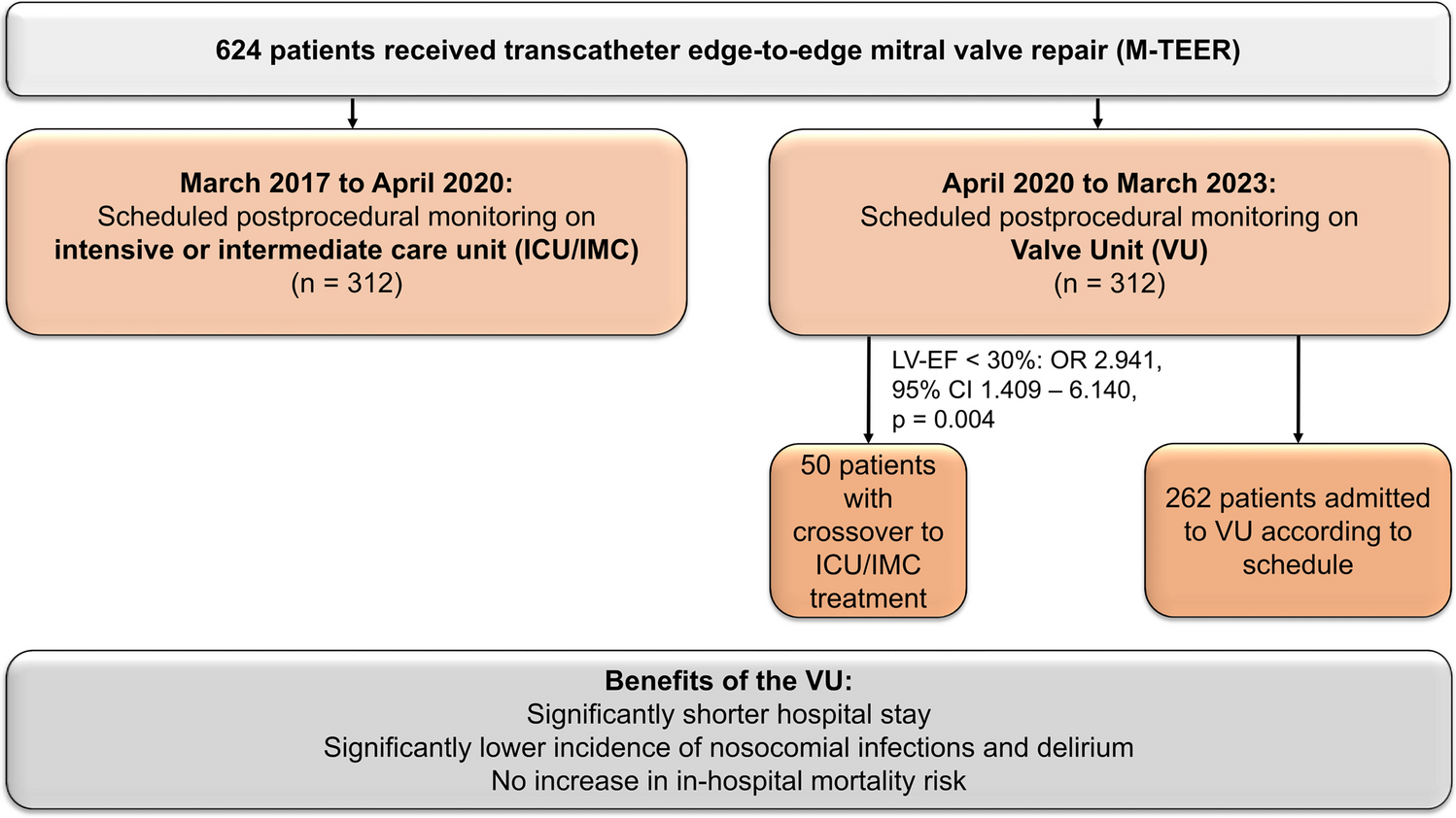
Valve Unit Instead of Intensive or Intermediate Care Unit Admission Following Transcatheter Edge-to-Edge Mitral Valve Repair Is Safe and Reduces Postprocedural Complications
Source : https://link.springer.com/article/10.1007/s00392-024-02384-8
Transcatheter edge-to-edge mitral valve repair (M-TEER) is often performed in general anesthesia, and postprocedural monitoring is usually warranted on an intensive or intermediate care unit (ICU/IMC). We evaluated the implications...
Immediate admission to the valve unit instead of primary ICU/IMC treatment after M-TEER was associated with a significantly shorter hospital stay and a lower incidence of infections and delirium.
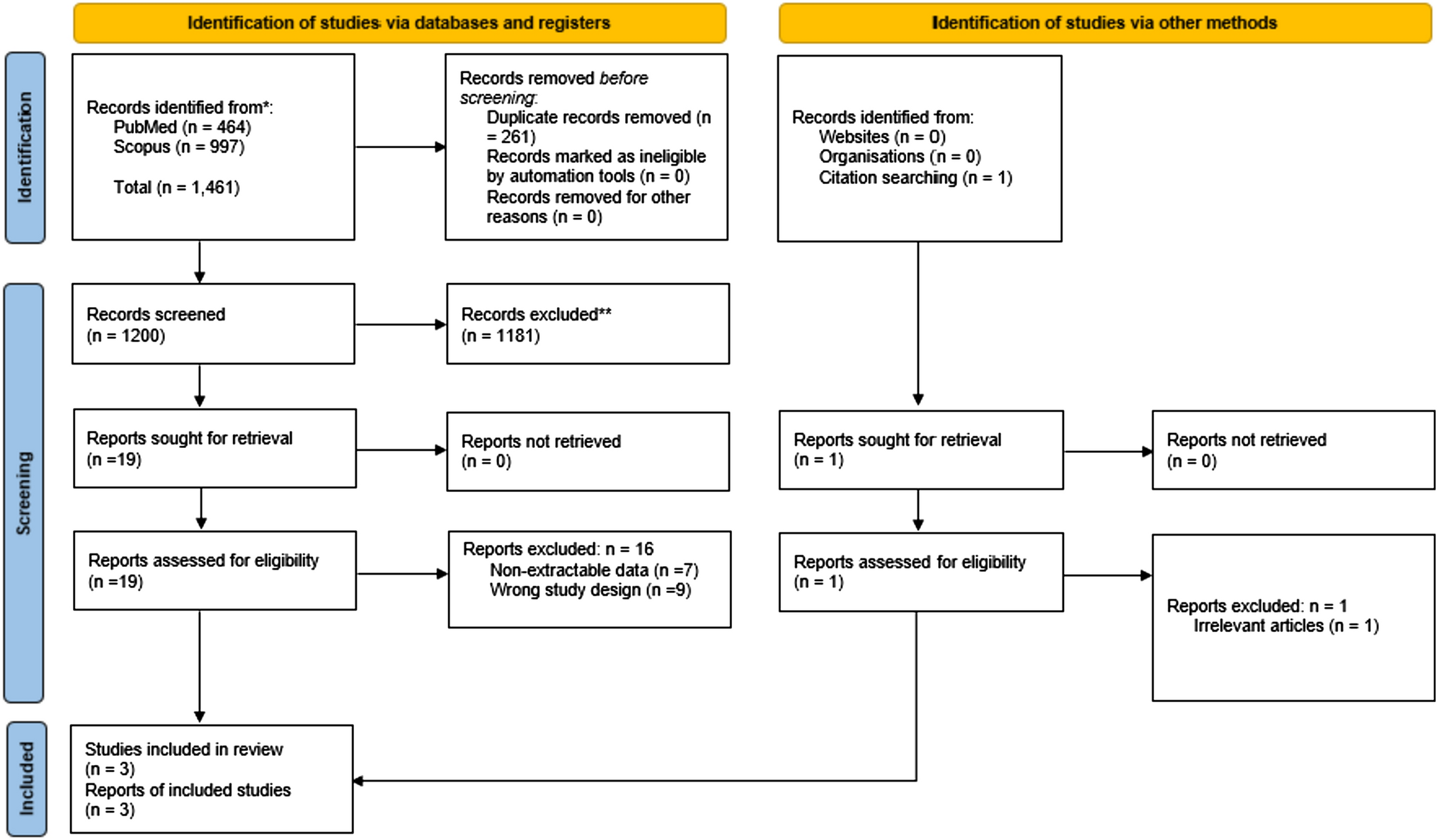
Sodium–Glucose Cotransporter-2 Inhibitors in Heart Failure Patients Across the Range of Body Mass Index: a Systematic Review and Meta-Analysis of Randomized Controlled Trials
Source : https://link.springer.com/article/10.1007/s11739-024-03532-8
Sodium-glucose cotransporter-2 (SGLT2) inhibitors improve outcomes in patients with heart failure, with or without diabetes. We sought to assess whether there is an interaction of these effects with body mass...
This systematic review and meta-analysis of 14,737 patients with HF and preserved or reduced EF shows that the beneficial effect of empagliflozin and dapagliflozin on CV mortality, all-cause mortality, and HF hospitalization is consistent across the BMI range.

Effect of Carvedilol Versus Placebo on Cardiac Function in Anthracycline-Exposed Survivors of Childhood Cancer (PREVENT-HF): a Randomised, Controlled, Phase 2b Trial
Source : https://pubmed.ncbi.nlm.nih.gov/38215764/
National Cancer Institute, Leukemia & Lymphoma Society, St Baldrick's Foundation, Altschul Foundation, Rally Foundation, American Lebanese Syrian Associated Charities.
Low-dose carvedilol appeared to be safe in long-term childhood cancer survivors at risk for heart failure, but the results did not support use of carvedilol for secondary heart failure prevention in anthracycline-exposed childhood cancer survivors.