



Genetic and environmental contributions to co-occurring physical health conditions in autism spectrum condition and attention-deficit/hyperactivity disorder - Molecular Autism
Source : https://molecularautism.biomedcentral.com/articles/10.1186/s13229-023-00548-3
Background Autism spectrum condition and attention-deficit/hyperactivity disorder (ADHD) are associated with a range of physical health conditions. The aim of this study was to examine the etiological components contributing to...
Conclusions: Shared genetic effects contribute significantly to autism and ADHD phenotypes with the co-occurring physical health conditions across different organ systems, including epilepsy and gastrointestinal disorders. The shared genetic liability with co-occurring physical health conditions was present across different levels of autism...

Dorsolateral prefrontal cortex dysfunction caused by a go/no-go task in children with attention-deficit hyperactivity disorder: A functional near-infrared spectroscopy study - PubMed
Source : https://pubmed.ncbi.nlm.nih.gov/37056303/
Our results indicate that brain dysfunction in children with ADHD is related to functional impairments in the dorsolateral prefrontal cortex. The go/no-go task paired with fNIRS represents a useful measurement...
Conclusion: Our results indicate that brain dysfunction in children with ADHD is related to functional impairments in the dorsolateral prefrontal cortex. The go/no-go task paired with fNIRS represents a useful measurement tool to assess prefrontal brain dysfunction in children struggling with ADHD.

Dynamic eye-tracking evaluation of responding joint attention abilities and face scanning patterns in children with attention deficit hyperactivity disorder | Development and Psychopathology | Cambridge Core
Attention-deficit hyperactivity disorder (ADHD), which is one of the most commonly diagnosed disorders among children and adolescents, has recently been estimated to affect between 11% and 16% of school-age children...
Conclusions/Relevance: Given these findings, social skill interventions directly targeting the core deficits of RJA and problems in facial scanning appears to be beneficial in children with ADHD.
Relevance: In this study, we present a simple and efficient analytical workflow to provide information about the origin of amphetamine consumed in forensic cases concerning driving under the influence of drugs (DUID).
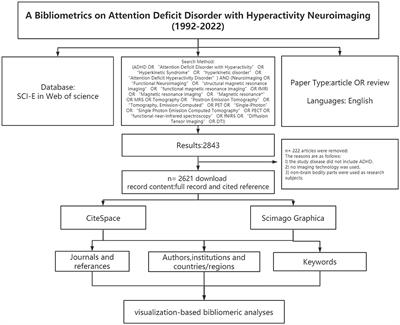
Systematic bibliometric and visualized analysis of research hotspots and trends in attention-deficit hyperactivity disorder neuroimaging
Source : https://www.frontiersin.org/articles/10.3389/fnins.2023.1098526/full
IntroductionThis study focused on the research hotspots and development trends of the neuroimaging of attention deficit hyperactivity disorder (ADHD) in the past thirty years.MethodsThe Web of Science database was searched...
Conclusions: Increased attention has been paid to ADHD neuroimaging. This work might assist researchers to identify new insight on potential collaborators and cooperative institutions, hot topics, and research directions.