


The Future of Child and Adolescent Clinical Psychopharmacology: A Systematic Review of Phase 2, 3, or 4 Randomized Controlled Trials of Pharmacologic Agents Without Regulatory Approval or for Unapproved Indications
Source : https://www.sciencedirect.com/science/article/pii/S0149763423001185?via=ihub
The pace of development and implementation of novel medications in child and adolescent psychiatry has remained slow. We systematically searched https...
Conclusions/Relevance: Among other strategies, targeting specific symptom dimensions in samples stratified based on clinical characteristics or established biomarkers may increase chances of success in future development programmes.
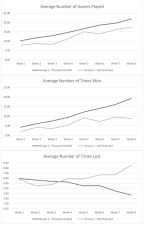
How does therapist guided game-based intervention program effect motor skills in children with Attention Deficit Hyperactivity Disorder?: Single blind randomised study design
Source : https://www.sciencedirect.com/science/article/abs/pii/S0891422223000732?via=ihub
Virtual reality and game-based approaches to the rehabilitation process also brought an opportunity to design more accessible intervention programs.It...
Conclusion and Implications: TGGIP was found to be more effective compared to SGBP in improving motor skills of children with ADHD.TGGIP that we designed acts as a facilitator for therapists in using trademarked and easily accessible games for structured and supervised virtual reality and game-based rehabilitation.

Trends in Stimulant Prescription Fills Among Commercially Insured Children and Adults — United States, 2016–2021
Source : https://www.cdc.gov/mmwr/volumes/72/wr/mm7213a1.htm?s_cid=mm7213a1_w
Melissa L. Danielson, MSPH 1; Michele K. Bohm, MPH 2; Kimberly Newsome, MPH 1; Angelika H. Claussen, PhD 1; Jennifer W. Kaminski, PhD 2; Scott D. Grosse, PhD 3; Lila...
Conclusions/Relevance: Growing recognition of ADHD in adults and increases in prescription stimulant fills raise questions about current adult ADHD care. Development of clinical recommendations for diagnosing and managing adult ADHD could help guide safe and appropriate stimulant prescribing. Evaluation of policies enacted during the pandemic...
Pharmacotherapy May Attenuate the Risk of Child Abuse in Attention-Deficit/Hyperactivity Disorder from the Real-World Evidence
Source : https://www.liebertpub.com/doi/10.1089/cap.2023.0003
If the address matches an existing account you will receive an email with instructions to reset your password.
Conclusions: ADHD was associated with a subsequent risk of child abuse in Taiwan. Pharmacological treatment could reduce the risk of child abuse in ADHD patients.
Comparison of Fidgeting in Adolescents with Attention-Deficit/Hyperactivity Disorder Between Before and After Stimulant Medication Intake
Source : https://www.liebertpub.com/doi/10.1089/cap.2022.0080
If the address matches an existing account you will receive an email with instructions to reset your password.
Conclusion: Wrist-worn accelerometer measures obtained during nonphysical tasks in a short duration may not provide hand movement differences between on-med and off-med conditions in adolescents with ADHD.