


Chronic Exercise for Core Symptoms and Executive Functions in ADHD: A Meta-analysis
BACKGROUND AND OBJECTIVES:. The effects of chronic exercise interventions (CEIs) on core symptoms and executive functions (EFs) of attention-deficit/hyperactivity disorder (ADHD) and how different characteristics of CEIs could modify the...
Conclusions: CEIs have small-to-moderate beneficial effects on overall core symptoms and EFs in children and adolescents with ADHD.

Acute effects of concussion among adolescents with attention-deficit/hyperactivity disorder - PubMed
Source : https://pubmed.ncbi.nlm.nih.gov/36510369/
Adolescents with ADHD have a greater lifetime history of concussion and experience concussion-like symptoms in the absence of a concussion, complicating concussion assessment and management. It is well established that...
Conclusions/Relevance: There were no significant differences in the magnitudes of changes from pre injury to post injury with regard to overall symptom reporting (i.e., total symptom severity scores, total number of symptoms endorsed); however, there were group differences in endorsement rates for several individual symptoms. Further research...
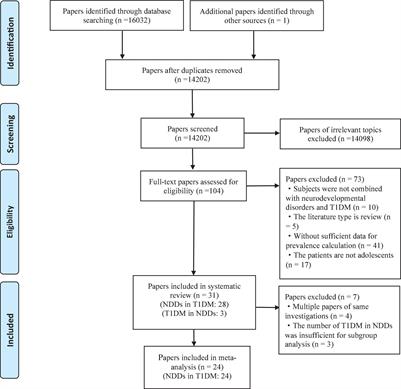
Association between type 1 diabetes and neurodevelopmental disorders in children and adolescents: A systematic review and meta-analysis
Source : https://www.frontiersin.org/articles/10.3389/fpsyt.2022.982696/full
Type 1 diabetes and neurodevelopmental disorders are common chronic conditions in childhood and adolescence, and having one may lead to an increased chance of developing the other. Type 1 diabetes...
Conclusion: There may be a potential link between the occurrence of type 1 diabetes mellitus and the development of neurodevelopmental disorders in children and adolescents, but more relevant studies are needed to understand the link between the underlying pathogenesis of type 1 diabetes and neurodevelopmental disorders.

An Emotional Bias Modification for Children With Attention-Deficit/Hyperactivity Disorder: Co-design Study
Source : https://formative.jmir.org/2022/12/e36390
Background: Attention-deficit/hyperactivity disorder (ADHD) is one of the common neurodevelopment disorders. Children with ADHD typically have difficulties with emotional regulation. Previous studies have investigated the assessment for underlying emotional biases...
Conclusions: This study has managed to elucidate health care professionals’ perspectives toward refining a conventional emotional bias intervention for children with ADHD. In view of the repetitiveness of the conventional task, the suggested gamification techniques might help in influencing task adherence and reduce the attrition rates.

Weekly Calendar Planning Activity (WCPA): Validating a Measure of Functional Cognition for Adolescents With Attention Deficit Hyperactivity Disorder - PubMed
Source : https://pubmed.ncbi.nlm.nih.gov/36485012/
Results support the known-groups validity of the WCPA Middle/High School Version between adolescents with and without ADHD. Concurrent and ecological validity were supported by significant associations with measures of cognition...
Conclusions and Relevance: Results support the known-groups validity of the WCPA Middle/High School Version between adolescents with and without ADHD. Concurrent and ecological validity were supported by significant associations with measures of cognition and participation.