



Non-invasive biomechanical assessment of the prolapsed vaginal wall: an explorative pilot study on cutometry and indentometry - Scientific Reports
Source : https://www.nature.com/articles/s41598-023-29403-4
The clinical assessment of pelvic organ prolapse (POP) and associated treatment strategies is currently limited to anatomical and subjective outcome measures, which have limited reproducibility and do not include functional...
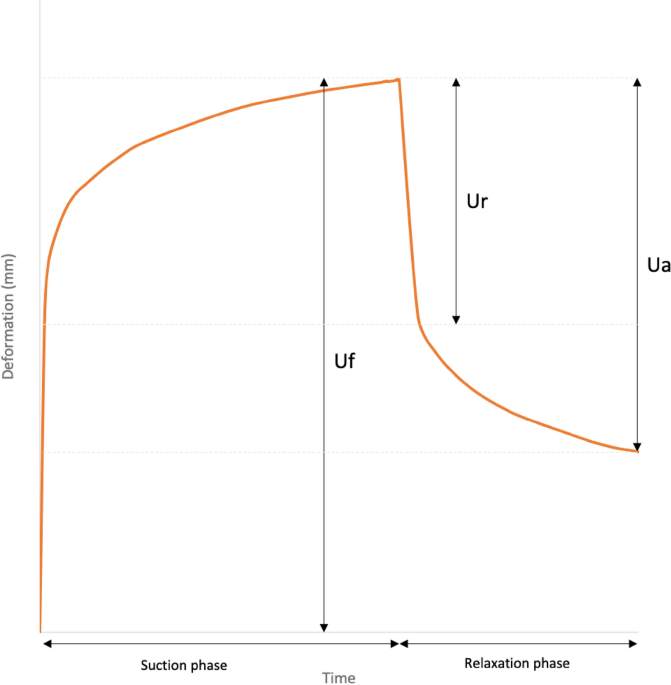
Conclusion: Compared to the reported indentation numbers of the skin, our results demonstrate higher indentation numbers, indicating lower vaginal tissue firmness than the skin. This is in line with our observation that vaginal tissue firmness—obtained with the Cutometer—was lower (higher Uf) than dermal tissue firmness described in the...
Endogenous dehydroepiandrosterone and depression in postmenopausal women: a systematic review of observational studies
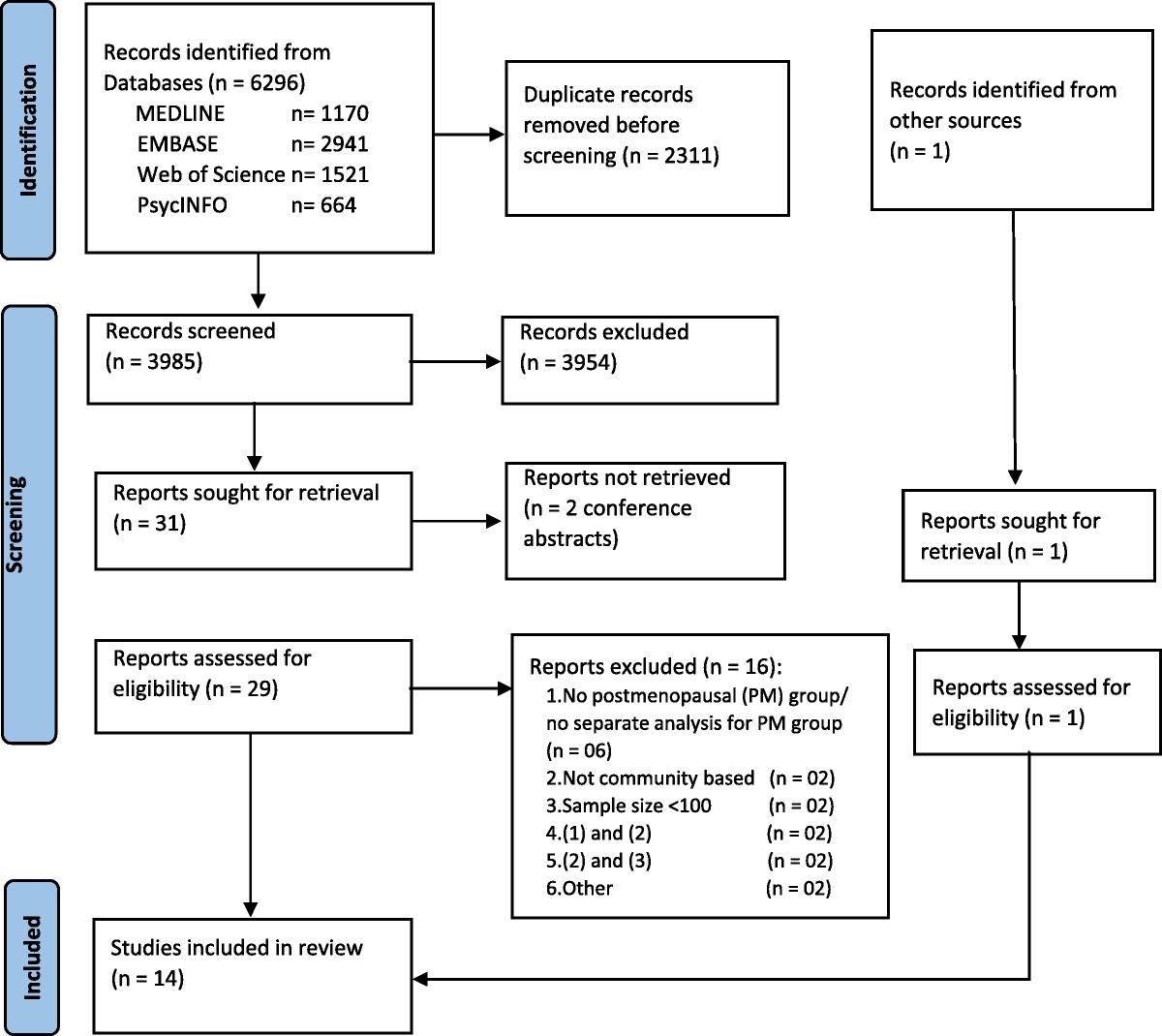
od effects. Objective This systematic review aimed to investigate the association between endogenous DHEA/DHEAS blood concentrations and depression/depressive symptoms in community-dwelling postmenopausal women. Evidence Review: Searches were conducted in Ovid...
Conclusion: This systematic review does not support an association between endogenous DHEA/DHEAS and depression in postmenopausal women.

Rilmenidine extends lifespan and healthspan in Caenorhabditis elegans via a nischarin I1-imidazoline receptor - PubMed
Source : https://pubmed.ncbi.nlm.nih.gov/36670049/
Repurposing drugs capable of extending lifespan and health span has a huge untapped potential in translational geroscience. Here, we searched for known compounds that elicit a similar gene expression signature...
Conclusion: this research presents a novel case for rilmenidine to be considered a potential calorie restriction mimetic through its prolongevity and health preserving effects, increased stress resistance, and increased autophagy. Alongside being a clinically approved antihypertensive drug, rilmenidine improves plasma lipid and blood glucose in...
Is HRT overprescribed? - The Pharmaceutical Journal
Source : https://pharmaceutical-journal.com/article/feature/is-hrt-overprescribed
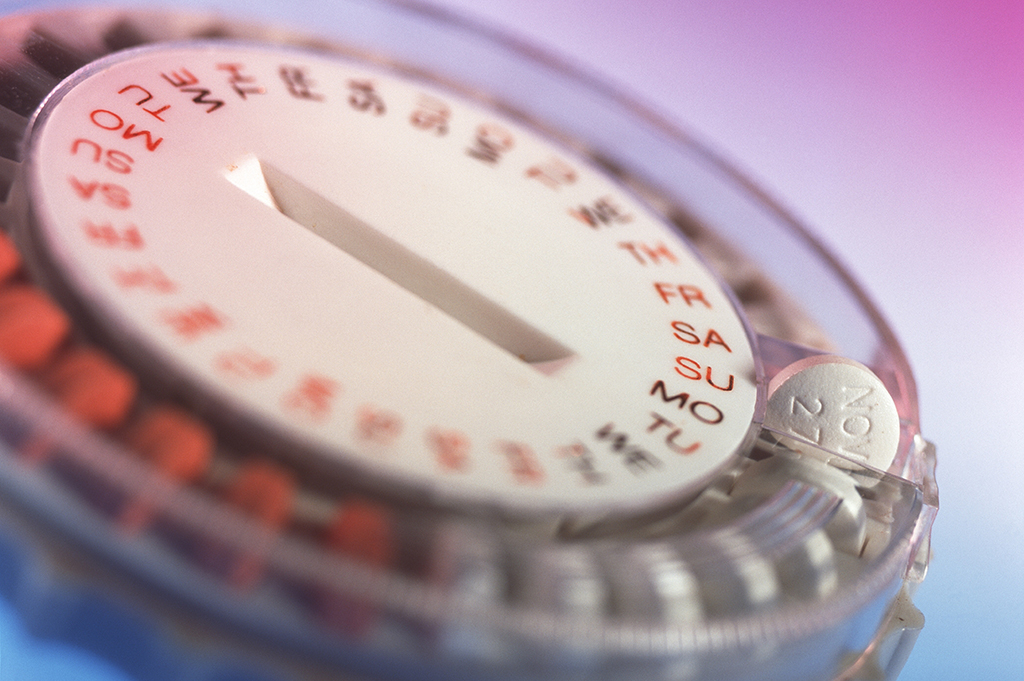
As general awareness of menopausal symptoms has increased, there has been a rapid rise in prescriptions for hormone replacement therapy (HRT), which is - of course - a good thing,...
Discussion: It is evident that there are cases where HRT is being overprescribed; specifically, private providers being prescribed doses above the licence recommendations. This has been recognised as an issue by the BMS and is in the process of being addressed.
Network analysis of eating disorder symptoms in women in perimenopause and early postmenopause
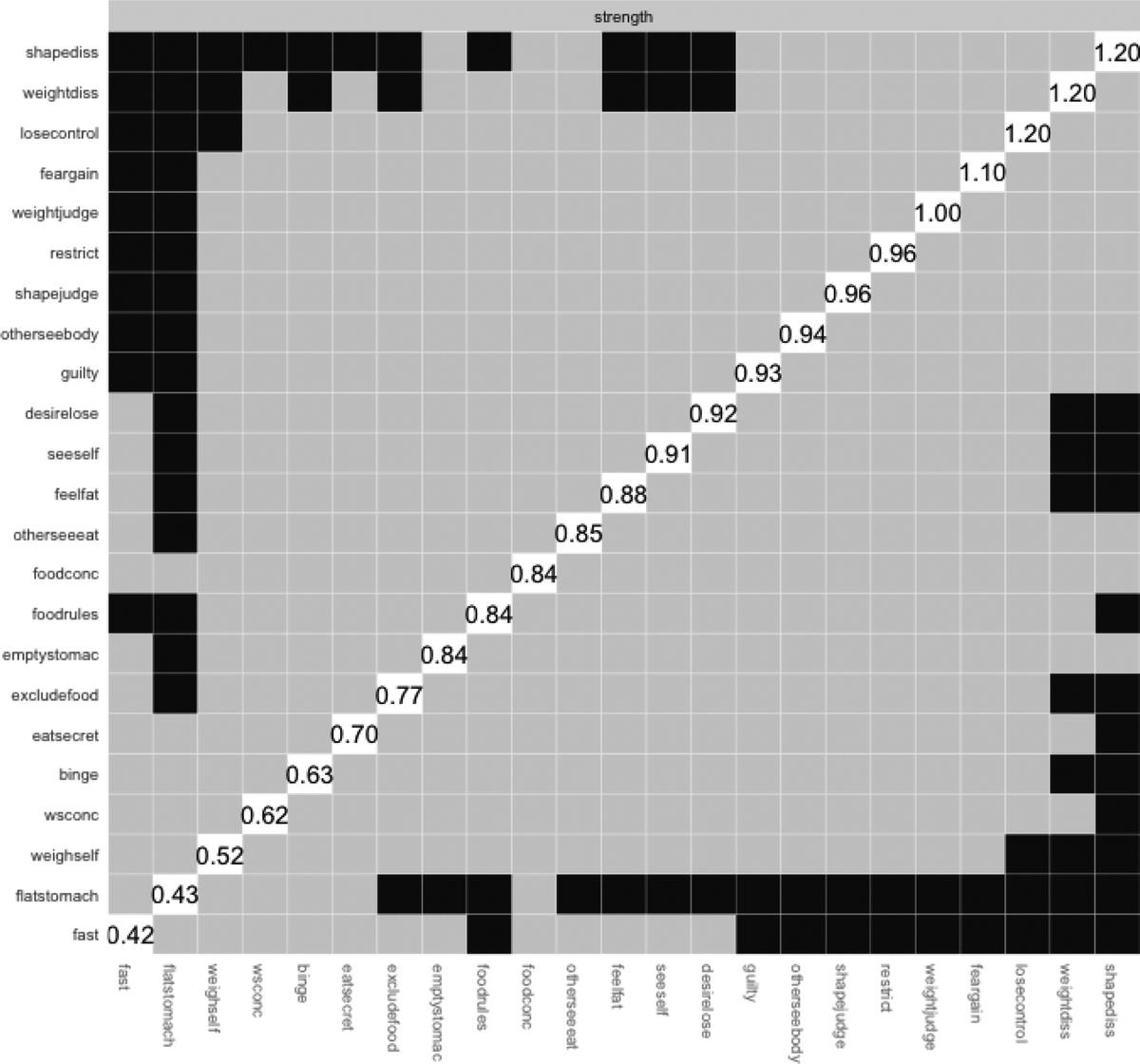
ggest that EDs and related symptoms may be more prevalent in midlife aged women during perimenopause compared with midlife aged women at pre-menopause. To date few studies have examined the...
Conclusion: Results corroborate previous studies and indicate that, similar to young adult samples, dissatisfaction with body image is a core feature of ED pathology across the lifespan.

The Interplay Among Natural Menopause, Insomnia, and Cognitive Health: A Population-Based Study
Menopause is defined as the time of permanent cessation of ovarian function and transition from a reproductive to a non-reproductive phase of life. Menopausal transition is associated with changes in...
Conclusion: In a cohort of women who transitioned to menopause naturally, we found that earlier age at menopause is associated with a lower cognitive performance score. This association was further exacerbated and mediated, but not moderated by insomnia symptoms. Our findings support the potential mediating role of insomnia, as both a...

Keep Moving to Retain the Healthy Self: The Influence of Physical Exercise in Health Anxiety among Chinese Menopausal Women
Source : https://www.mdpi.com/2076-328X/13/2/140
Menopause is a period of high incidence of chronic diseases. Women experience various physical and psychological discomforts during menopause, and hormonal changes exacerbate mood swings in menopausal women and also...
Conclusion: In response to the proposed research objectives, this study noted that approximately 45% of menopausal women experience different degrees of health anxiety. In addition, the results indicated that physical exercise, interpersonal competence, and emotional intelligence are important factors influencing health anxiety in menopausal...
Conclusion: During the menopausal transition, approximately 50% to 75% of women have vasomotor symptoms and GSM symptoms. Hormonal therapy with estrogen is the first-line therapy for bothersome vasomotor symptoms and GSM symptoms, but nonhormonal medications (such as paroxetine and venlafaxine) also can be effective. Hormone therapy is not...

Vasomotor Symptoms During Menopause: A Practical Guide on Current Treatments and Future Perspectives
VMS persist for a median duration of 7 years and have been associated with significant comorbidities such as cardiovascular disease, bone disease, and cognitive complaints. Women who experience VMS during...
Conclusion: While HT use is a consideration for a majority of symptomatic, healthy, and recently menopausal women, nonhormone options may be utilized for women with contraindications to HT use, or for those who prefer to avoid HT use for any reason. Emerging therapies may provide additional options for women with bothersome VMS.
Discussion: Most of the studies on vaginal laser therapy are small, many are observational, include only short-term follow-up, and, importantly, had no sham group. A 2022 systematic review and meta-analysis found no benefit associated with these devices over vaginal estrogen but concluded the quality of the evidence was very low or low. While...
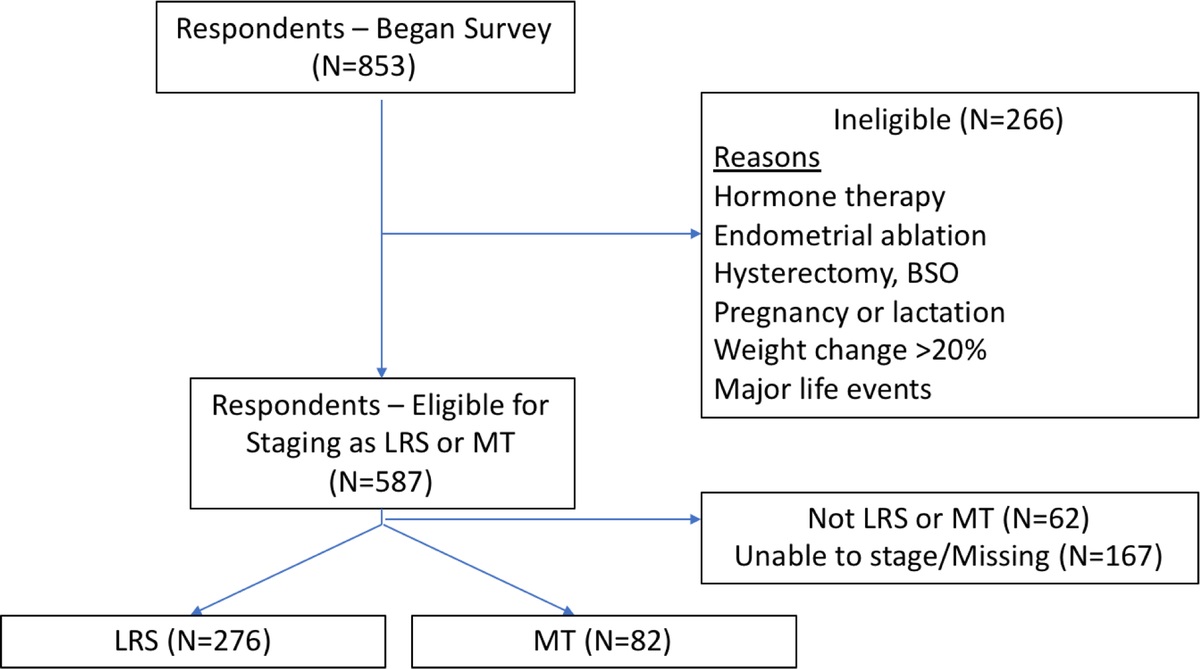
Symptom experience during the late reproductive stage versus the menopausal transition in the Spanish-language Women Living Better survey
Women's menstrual patterns were classified as late reproductive stage or menopausal transition using the Stages of Reproductive Aging Workshop. Demographic and health-related data were collected, including age, country of residence,...
Conclusion: Late–reproductive-stage women experience multiple symptoms often associated with menopause. A better understanding of symptoms experienced among Spanish-speaking women may lead to more personalized health care and facilitate anticipatory guidance about menopause.
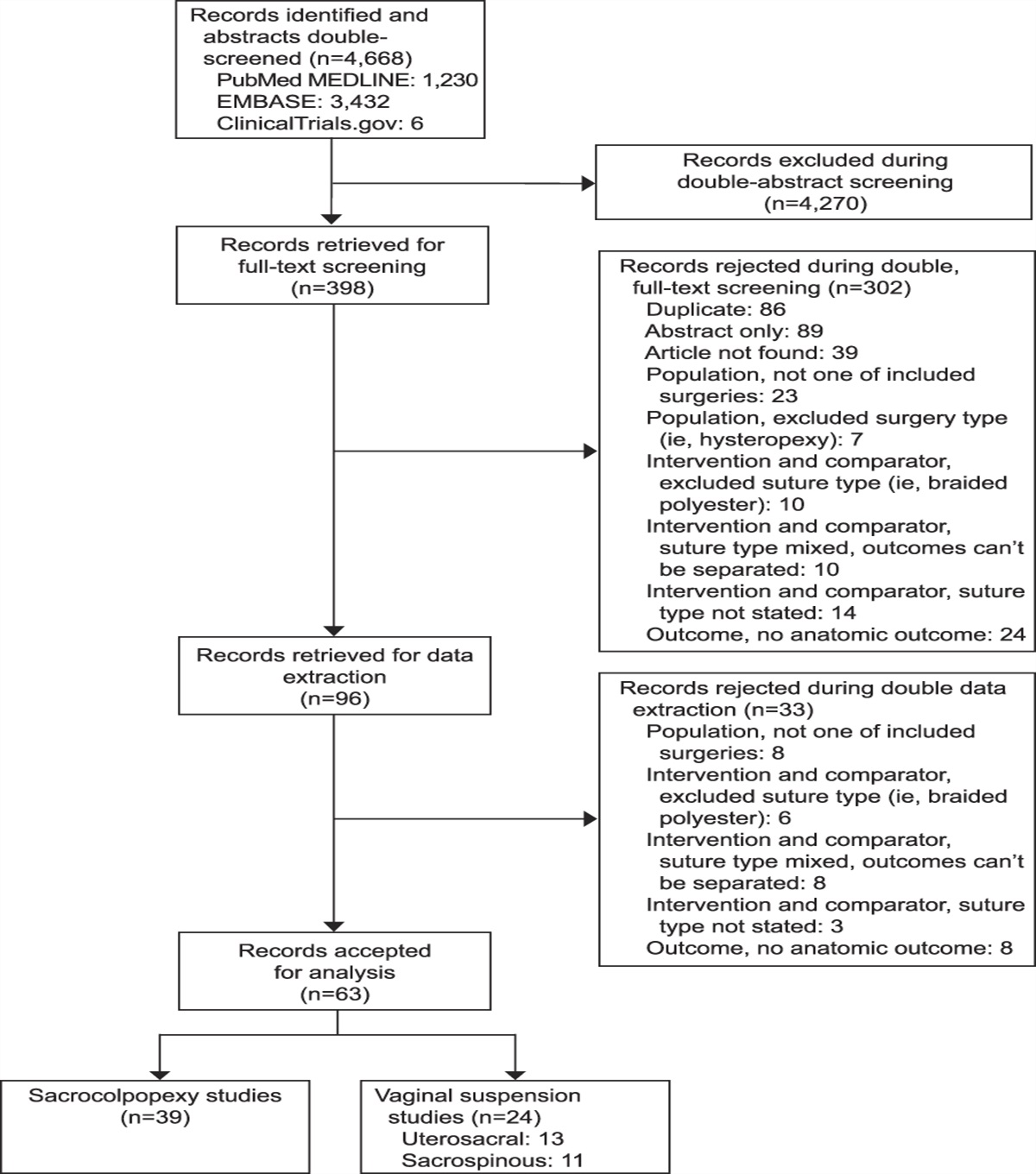
Permanent Compared With Absorbable Suture in Apical Prolapse Surgery: A Systematic Review and Meta-analysis
METHODS OF STUDY SELECTION: Our population included women undergoing apical prolapse surgery (uterosacral ligament suspension and sacrospinous ligament suspension and abdominal sacrocolpopexy). Our intervention was permanent suture for apical prolapse...
Conclusion: Success rates were similarly high for absorbable and permanent suture after uterosacral ligament suspension, sacrospinous ligament suspension, and sacrocolpopexy, with medium-term follow-up.
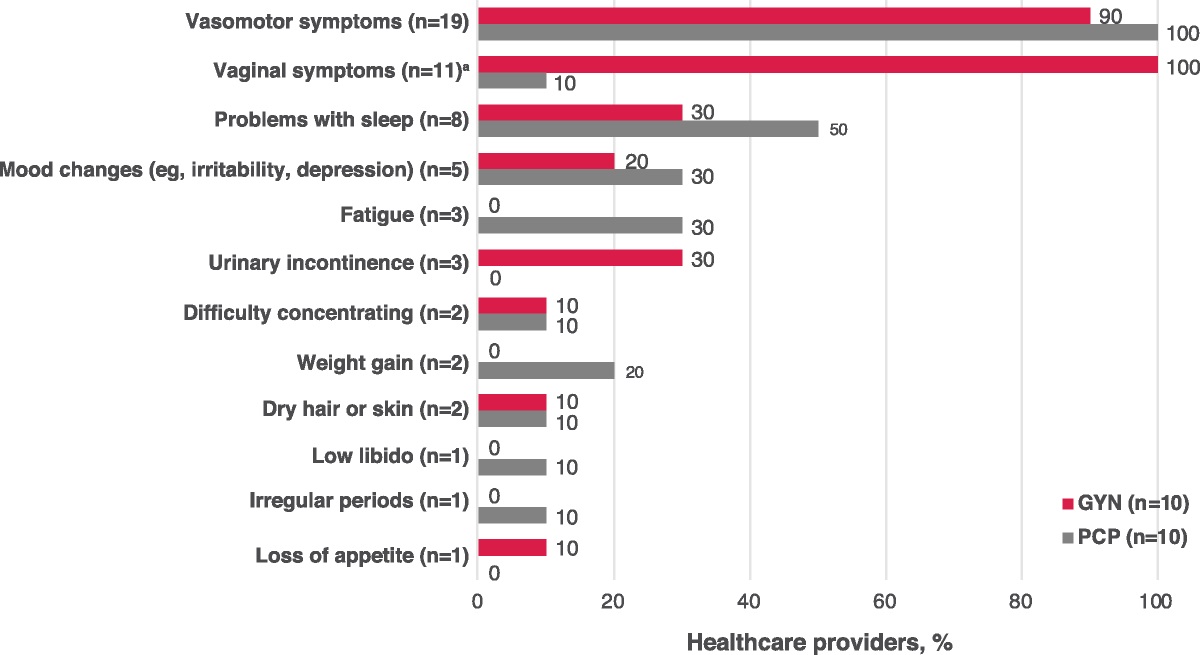
Practice patterns and perspectives regarding treatment for symptoms of menopause: qualitative interviews with US health care providers
Methods Registered US gynecologists or primary care providers from all US regions were identified from local association directories and an in-house database and were invited to participate in a qualitative...
/>
Discussion: We conducted qualitative interviews with 20 HCPs in a noninterventional, cross-sectional, observational study documenting HCPs' views and practices regarding prescription and nonprescription treatments for VMS related to menopause. The interviews were designed to inform data collection for a more extensive retrospective review of...
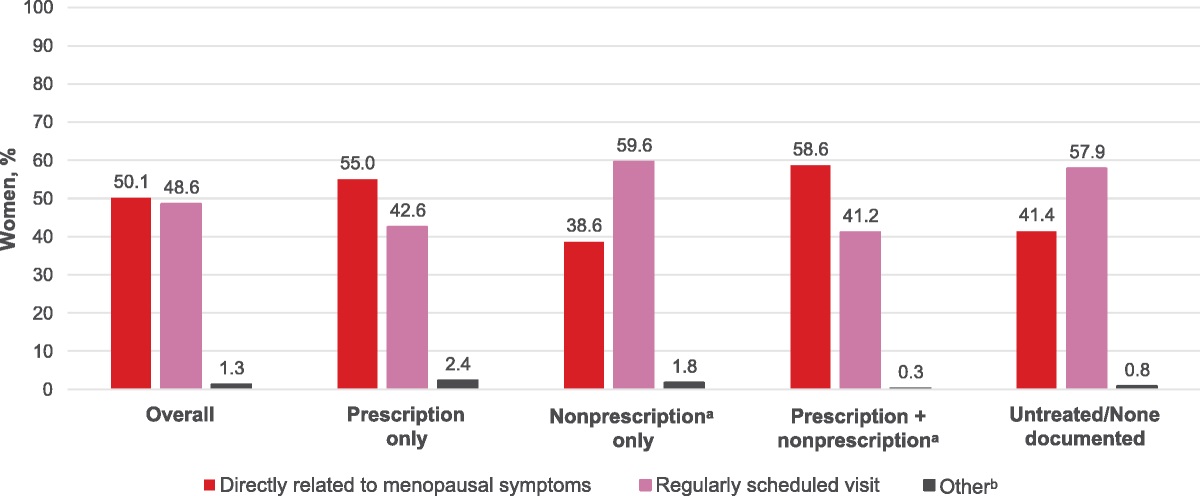
Treatment and resource utilization for menopausal symptoms in the United States: a retrospective review of real-world evidence from US electronic health records
Participating health care providers were gynecologists, internal medicine/family physicians, or advanced practice providers who typically saw three or more women per week presenting with menopausal symptoms and could identify eligible...
/>
Discussion: The current noninterventional, retrospective, observational cohort study aimed to identify and characterize the use of prescription and nonprescription therapies for VMS recorded by HCPs, bridge gaps in our knowledge of the treatment of VMS, and describe the broad spectrum of prescription and nonprescription therapies (including...

Effect of menopause and age on vascular impairment
Source : https://www.sciencedirect.com/science/article/pii/S0378512223000154
Cardiovascular disease in aging women is a growing problem. * 89 women initiated the study and 74 of them participated in the 10-year follow-up (from 46 till 56 years of...
Conclusion: We demonstrate how cardiovascular risk factors and vascular function evolve during menopausal transition. Although menopause was not associated with vascular impairment, short-term improvement in vascular function was observed in those using menopausal hormonal therapy. Intermittent nocturnal hypoxemia, obesity and impaired glucose...

Experiences of postmenopausal osteoporosis: a narrative review
Source : https://www.tandfonline.com/doi/full/10.1080/09638288.2023.2169770
Abstract Abstract A narrative review was conducted to identify, critically appraise, and synthesise primary research on the lived experiences of postmenopausal women with osteoporosis. A systematic search of qualitative studies...
Conclusion: Qualitative studies that explored the lived experiences of postmenopausal women with osteoporosis can provide important insights into the impact of the disease on women’s lives and potential pathways for improving care and management.

The association between testosterone and depression in postmenopausal women: A systematic review of observational studies
The contribution of testosterone to depression in older women is uncertain. This review was conducted to investigate the association between endogenous testosterone blood concentrations and depression in postmenopausal women. We...
/>
Conclusion: While an association between testosterone and depression in postmenopausal women is not supported by this systematic review, this remains an uncertain conclusion due to methodologic limitations of the available data. Large, studies of community-based samples employing validated instruments for depression, and precise measurement...
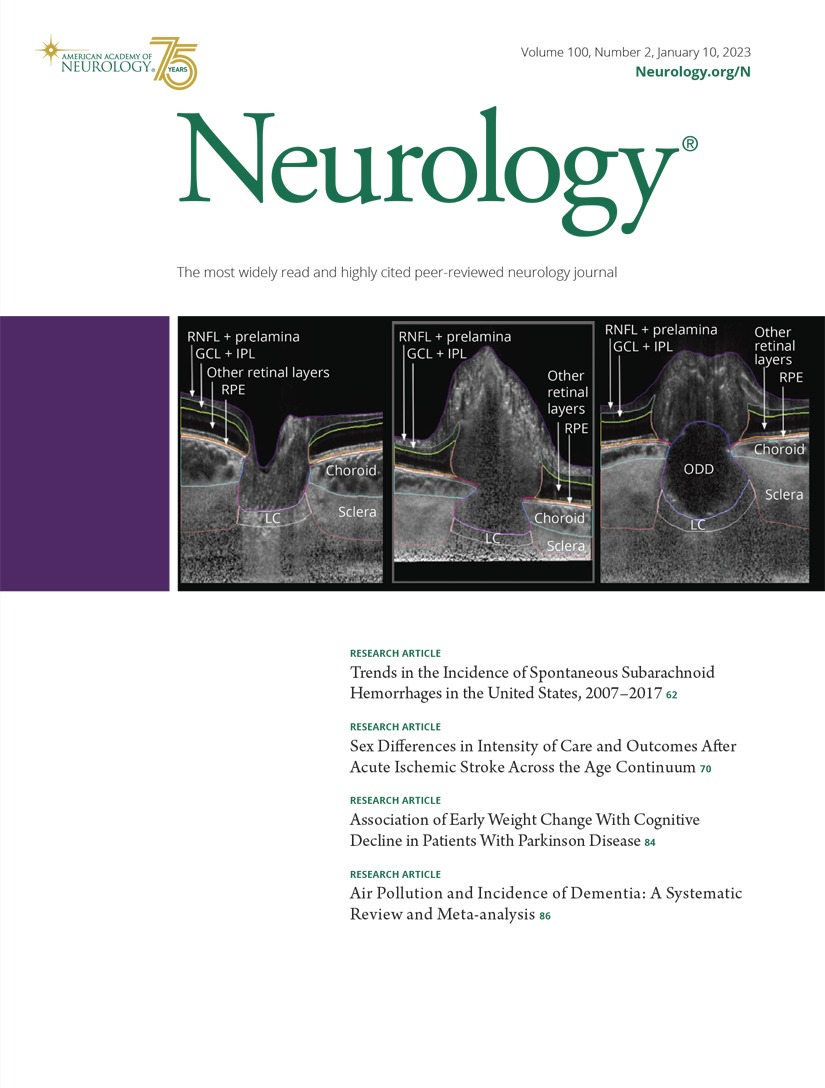
Menopausal Vasomotor Symptoms and White Matter Hyperintensities in Midlife Women
Source : https://n.neurology.org/content/100/2/e133.abstract
Background and Objectives The menopause transition is increasingly recognized as a time of importance for women's brain health. A growing body of work indicates that the classic menopausal symptom, vasomotor...
Discussion: VMS, particularly VMS occurring during sleep, were associated with greater WMHV. Identification of female-specific midlife markers of poor brain health later in life is critical to identify women who warrant early intervention and prevention. VMS have the potential to serve as female-specific midlife markers of brain health in...
BEING: Bone Health in Aging Women with HIV: Impact of Switching Antiretroviral Therapy on Bone Mineral Density During the Perimenopausal Period
Source : https://www.liebertpub.com/doi/full/10.1089/aid.2022.0106
If the address matches an existing account you will receive an email with instructions to reset your password.
Conclusion: Our cohort had reasonably good bone health despite years of HIV and TDF therapy, but we did observe a trend toward increased BMD with a switch from TDF to TAF. The perimenopausal period is an important time to assess reversible parameters affecting bone health.
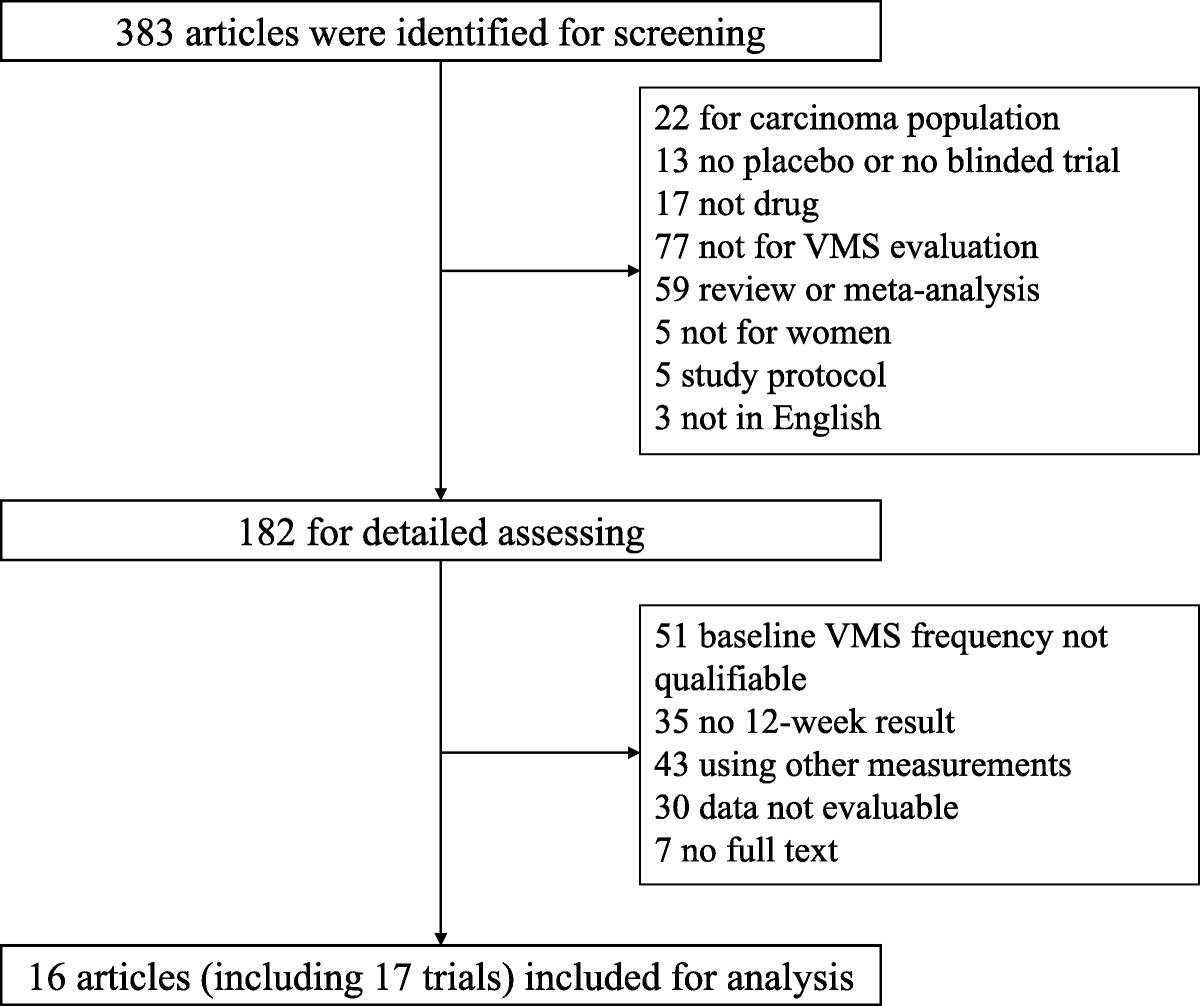
Estimation of placebo effect in randomized placebo-controlled trials for moderate or severe vasomotor symptoms: a meta-analysis
This study aimed to estimate placebo effects in randomized controlled trials (RCTs) fulfilling this guidance. Methods PubMed was searched using the following terms: "vasomotor symptom or hot flash or hot...
Conclusion: Substantial and consistent placebo effects were observed in RCTs for VMS treatment. These data suggest a reduction of 5.44 times per day in frequency and 0.36 in severity might be observed as a placebo effect.