




Balance in Transition: Unraveling the Link Between Menopause and Vertigo
The onset of menopause, marked by hormonal fluctuations and a decline in estrogen levels, is suggested to be linked to increased susceptibility to vestibular disturbances. Estrogen, beyond its established association...
Because the vestibular system is influenced by hormonal changes during menopause, this effect could potentially contribute to the emergence of vertigo symptoms during this stage of women’s lives.

Influence of Physical Activity Level and Perceived Social Support on Mental Health and Psychological Distress in Women With Menopause Problems
Source : https://pubmed.ncbi.nlm.nih.gov/38712645/
Perceived Social Support (PSS) and Physical Activity (PA) could have an important role in reducing psychological distress in women with problems in the menopausal period. The aim was to analyze...
Dependency relationships were found between the prevalence of depression and physical activity level, anxiety and physical activity level, and self-perceived health with physical activity level.
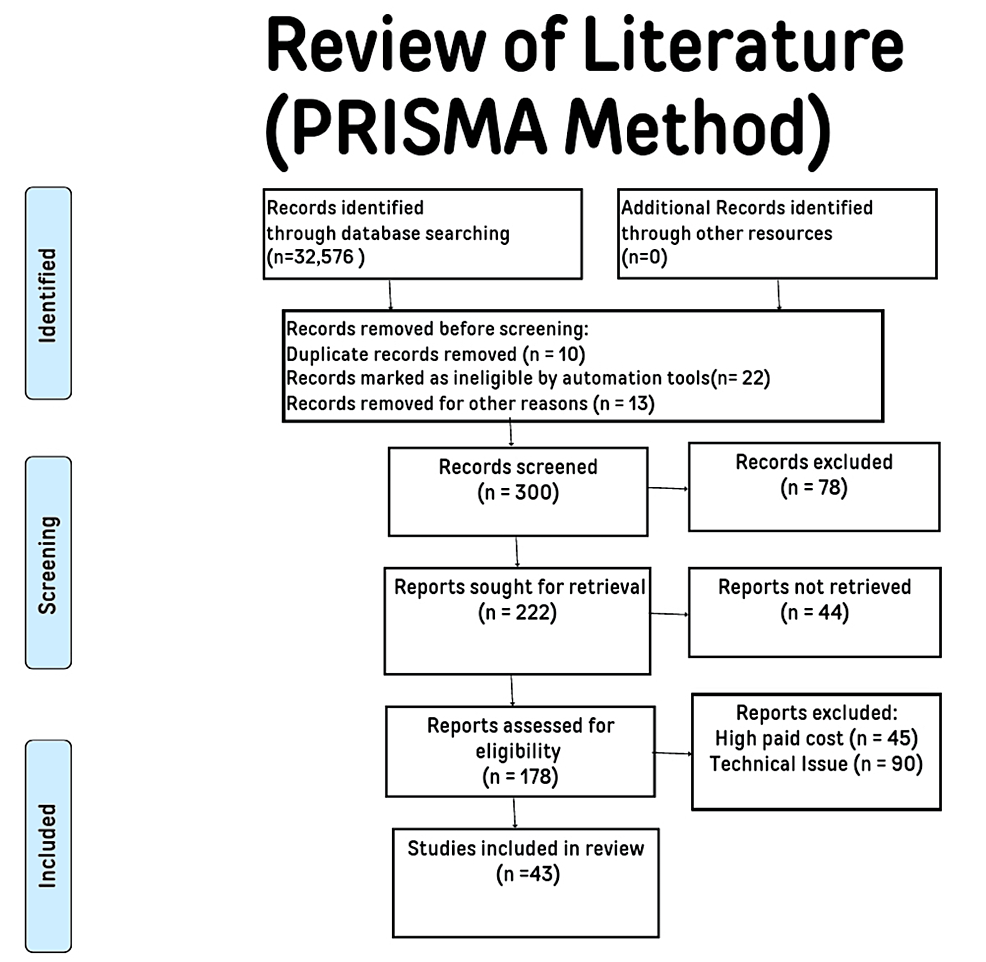
Interplay Between Diabetes Mellitus and the Occurrence of Osteoarthritis and Associated Conditions in Women of Menopausal Age
Osteoarthritis (OA) and diabetes mellitus (DM) have long-term deleterious chronic effects and are among the most prevalent chronic disorders. DM and its associated factors, such as hyperglycemia, have a significant...
Regularly screening for osteoarthritis should be implemented for menopausal women with diabetes mellitus and utmost care should be provided by healthcare professionals.
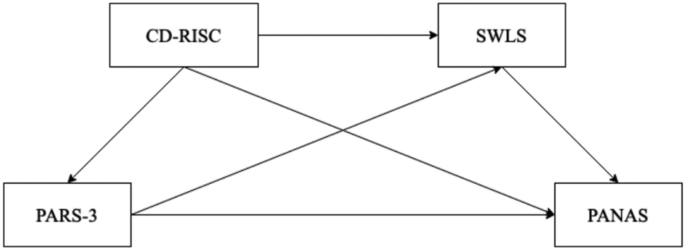
The Impact of Square Dancing on Psychological Well-Being and Life Satisfaction Among Aging Women
Source : https://www.nature.com/articles/s41598-024-61143-x
As the most popular sport among middle-aged and elderly women in China, square dancing has both physical and psychological benefits for menopausal women. Previous studies have shown that square dance...
Modeling results showed square dance exercises could positively predict positive affect through the chain-mediating effect of psychological resilience and life satisfaction among menopausal women.

Associations Between Menopause Status, Spinal-Related Musculoskeletal Variables and Gait Speed in Middle-Aged Females: a Short Report
Source : https://pubmed.ncbi.nlm.nih.gov/38682642/
Associations between menopause status, spinal-related musculoskeletal variables and gait speed in middle-aged females: A short report
Study researchers explored the relative contribution of estrogen levels and spinal-related musculoskeletal variables of kyphosis, lordosis, back muscle strength, and endurance to gait speed in 135 health middle-aged women from urban health centers and entertainment districts.

Menopause Experiences in Sexual Minority Women and Non-Binary People
Source : https://pubmed.ncbi.nlm.nih.gov/38677174/
Sexual minority women (lesbian/gay, bisexual, and queer-identified cisgender women) as well as non-binary people have unique experiences in menopause but remain underrepresented in the scientific literature as compared with cisgender,...
People who identify as nonbinary as well as those who are sexual minorities experienced challenges locating inclusive menopause resources and culturally competent clinicians who created safe, trusting healthcare environments.

Menopause Transition and Cardiovascular Disease Risk
Source : https://pubmed.ncbi.nlm.nih.gov/38555760/
The risk of cardiovascular disease (CVD) notably increases in the fifth decade of a woman's life, coinciding with the onset of menopause and occurring 10 years later than the similar...
Menopause-related symptoms such as vasomotor symptoms, sleep disturbances, and mood changes may all have a direct impact on CVD risk.

Treating Moderate-to-Severe Menopausal Vasomotor Symptoms With Fezolinetant: Analysis of Responders Using Pooled Data From Two Phase 3 Studies (SKYLIGHT 1 and 2)
Source : https://pubmed.ncbi.nlm.nih.gov/38626380/
Fezolinetant was associated with significantly higher within-patient clinically meaningful improvement in important PRO, including VMS frequency, PROMIS SD SF 8b Total Score, MENQoL Total Score, and MENQoL VMS Domain Score.
Greater proportions of fezolinetant-treated versus placebo-treated participants had ≥50%, ≥75%, ≥90%, or 100% reduction in vasomotor symptom frequency from baseline to weeks 4 and 12.

The Impact of Water Pollution on the Health of Older People
Source : https://pubmed.ncbi.nlm.nih.gov/38555759/
Water pollution exerts a negative impact on the health of both women and men, inducing hormonal changes, accelerating aging, and consequently leading to the premature onset of age-related health problems....
Exposure to specific pollutants may promote premature menopause and vasomotor symptoms, elevate the risk of CVD, and reduce bone density.

The Influence of Habitual Physical Activity and Sedentary Behavior on Objective and Subjective Hot Flashes at Midlife
Source : https://pubmed.ncbi.nlm.nih.gov/38530999/
These data provide support for relations between sedentary time, physical activity, and hot flashes and highlight the importance of using objective and subjective assessments to better understand the 24-hour hot...
Replacing 1 hour of sitting with 1 hour of vigorous activity was associated with a 100% increase in subjectively reported but not objectively measured waking hot flashes.
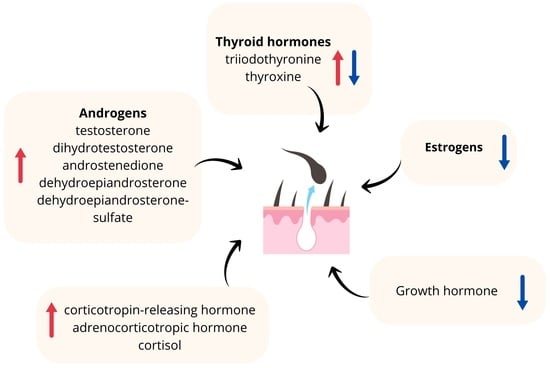
The Hormonal Background of Hair Loss in Non-Scarring Alopecias
Source : https://www.mdpi.com/2227-9059/12/3/513
Hair loss is a common clinical condition connected with serious psychological distress and reduced quality of life. Hormones play an essential role in the regulation of the hair growth cycle....
Hair loss may occur in the case of estrogen deficiency, appearing naturally during menopause.
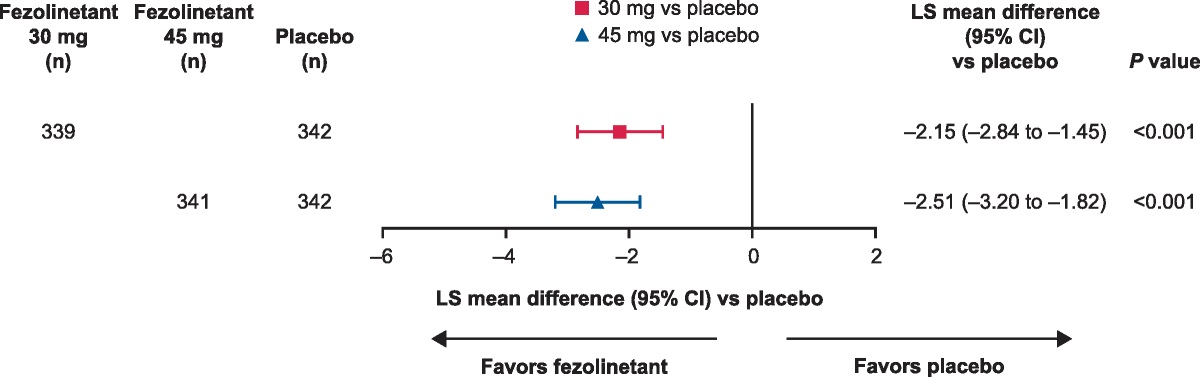
Fezolinetant Treatment of Moderate-to-Severe Vasomotor Symptoms Due to Menopause: Effect of Intrinsic and Extrinsic Factors in Two Phase 3 Studies (SKYLIGHT 1 and 2)
sing pooled 12-week data from SKYLIGHT 1 and 2. Methods SKYLIGHT 1 and 2 were two phase 3, randomized, double-blind studies conducted from July 2019 to August 2021 (SKYLIGHT 1)...
Efficacy was most notable for participants who self-identify as Black, current smokers, and current alcohol users.
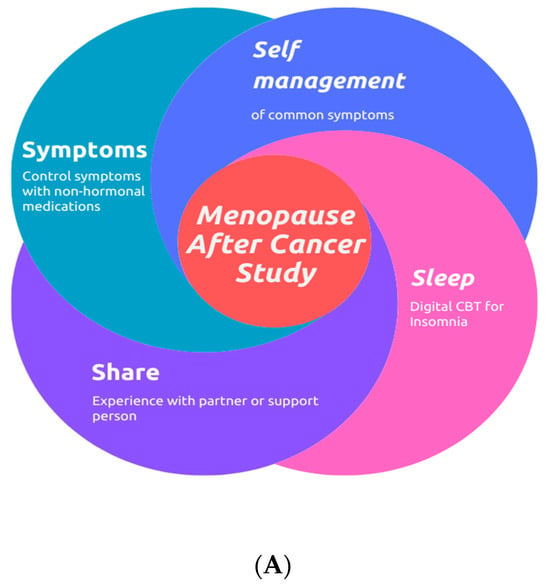
Multimodal, Technology-Assisted Intervention for the Management of Menopause After Cancer Improves Cancer-Related Quality of Life-Results From the Menopause After Cancer (Mac) Study
Source : https://www.mdpi.com/2072-6694/16/6/1127
Background: Vasomotor symptoms (VMSs) associated with menopause represent a significant challenge for many patients after cancer treatment, particularly if conventional menopausal hormone therapy (MHT) is contraindicated.
At least 50% reductions were noticed in the frequency of vasomotor symptoms as well as the degree of bother/interference of vasomotor symptoms at 6 months.
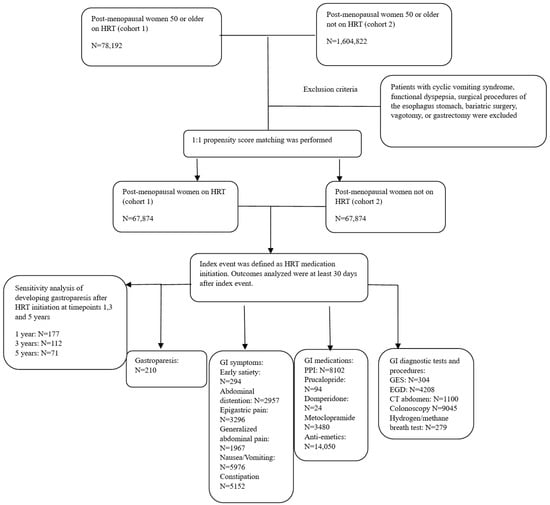
The Association Between Hormone Replacement Therapy and Gastroparesis in Post-Menopausal Women: a Worldwide Database Analysis
Source : https://www.mdpi.com/2075-4426/14/3/275
Female sex hormones have been hypothesized to influence the higher prevalence of gastroparesis in females. This study investigated the effects of hormone replacement therapy (HRT) on gastroparesis and its related...
Hormone replacement therapy was associated with increased GI symptoms, including early satiety, domperidone use, and undergoing gastric emptying studies.
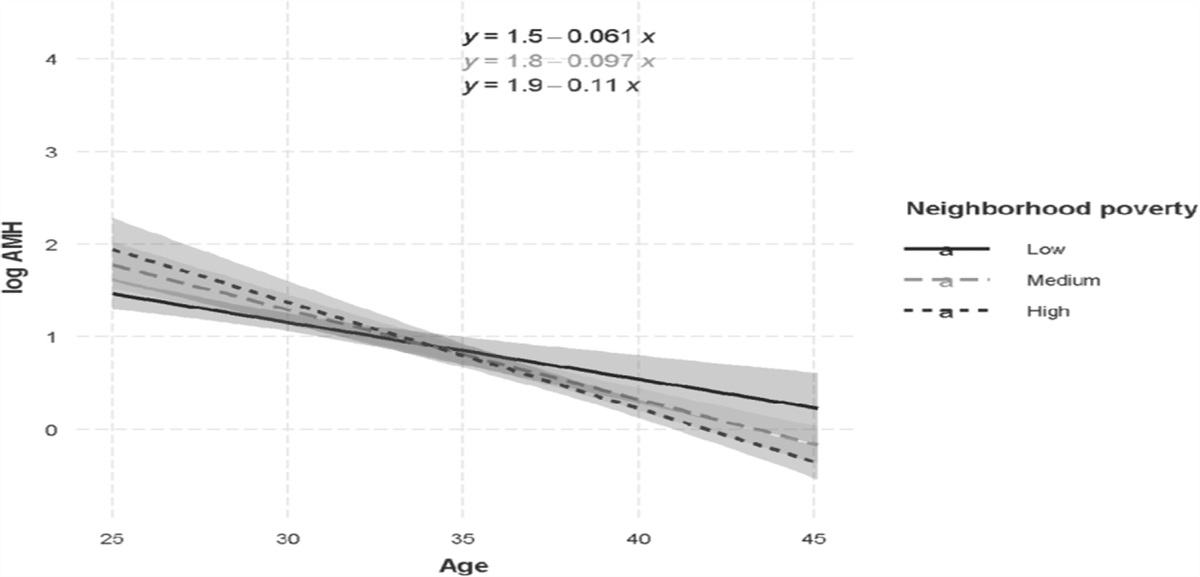
Association Between Neighborhood Poverty and Ovarian Reserve: the Ovarian Aging Study
lerian hormone (AMH) and antral follicle count (AFC). Specifically, the interaction of age-x-neighborhood poverty was assessed cross-sectionally to determine whether AMH and AFC declines across women may be greater in...
Across women, greater aggregate exposure to neighborhood poverty in adulthood was related to lower ovarian reserve, indexed by antimüllerian hormone.

Association Between Estrogen Replacement Therapy and Heart Failure in Postmenopausal Women: a Systematic Review and Meta-Analysis
Source : https://pubmed.ncbi.nlm.nih.gov/38382766/
This systematic review demonstrated that estrogen replacement therapy did not significantly change the risk of first hospitalized heart failure and admission to the hospital for heart failure in postmenopausal women.
Estrogen replacement therapy did not significantly change the risk of first hospital stay for heart failure and admission to the hospital for heart failure in postmenopausal women.

Systematic Review of Neurokinin-3 Receptor Antagonists for the Management of Vasomotor Symptoms of Menopause
Source : https://pubmed.ncbi.nlm.nih.gov/38471077/
Because of the high-quality evidence supporting the efficacy of fezolinetant and elinzanetant, these agents may be an effective option with mild adverse events for women seeking nonhormone treatment of VMS.
Because of the high-quality evidence supporting the efficacy of fezolinetant and elinzanetant, these agents may be an effective option with mild adverse events for women seeking nonhormone treatment of vasomotor symptoms.

Navigating Menopause at Work: a Preliminary Study About Challenges and Support Systems
Source : https://pubmed.ncbi.nlm.nih.gov/38442310/
This study reveals an exigent need for increased awareness and structural changes to support working women going through menopause. The findings have far-reaching implications for not just promoting gender equity...
The severity of menopausal symptoms was found to significantly predict more emotional exhaustion, less work engagement, and greater turnover intentions.
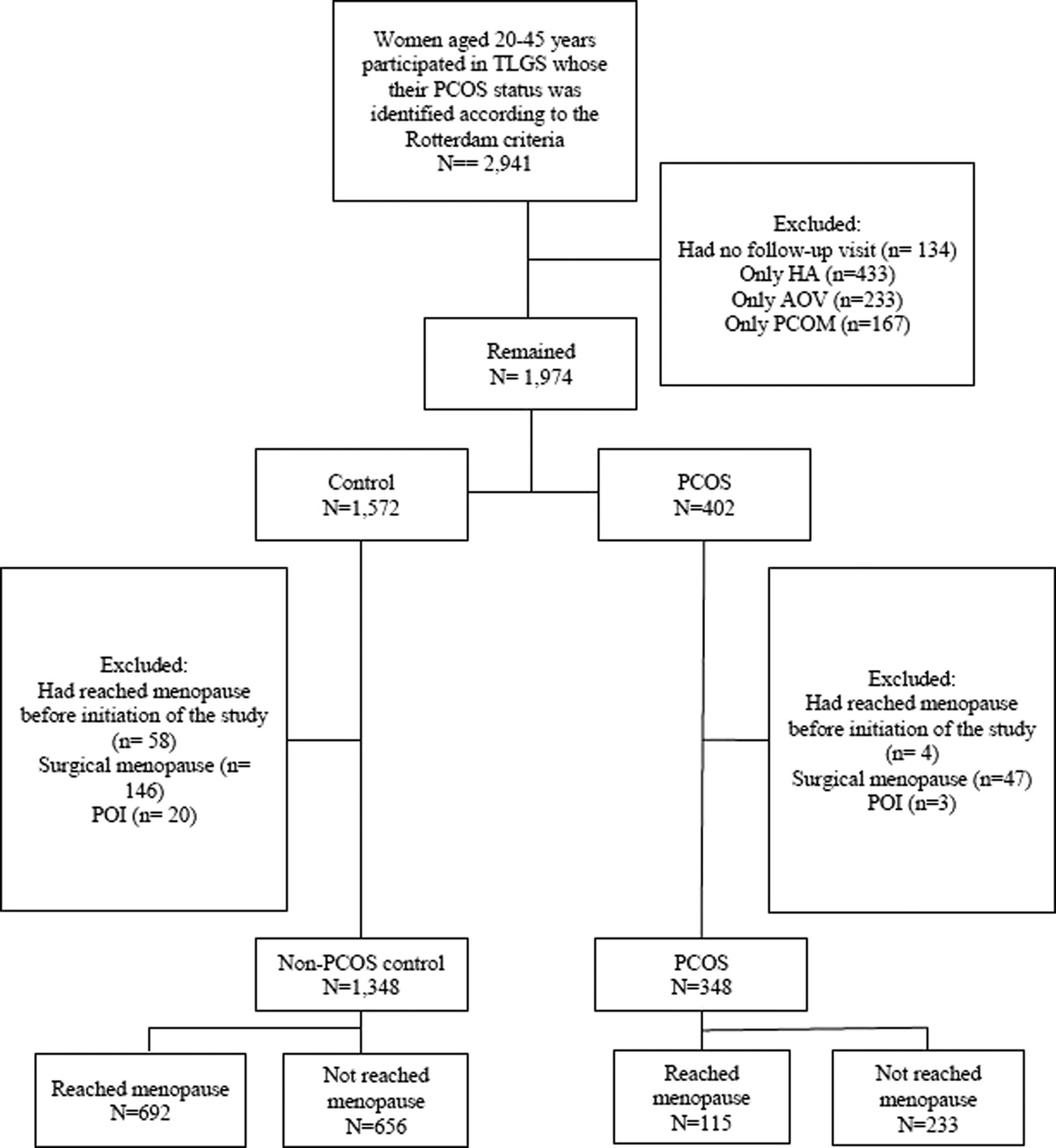
A Prospective Study on the Relationship Between Polycystic Ovary Syndrome and Age at Natural Menopause
Of these, 348 women with PCOS based on the Rotterdam criteria and 1,348 non-PCOS controls were followed to assess the age at which they reached menopause.
The unadjusted accelerated failure time survival model revealed a significant positive association between polycystic ovary syndrome (PCOS) and age at natural menopause; women with PCOS experienced time to menopause by a factor of 1.05 than non-PCOS controls.

Psychometric Evaluation of the MENQOL Instrument in Women Experiencing Vasomotor Symptoms Associated With Menopause
Source : https://pubmed.ncbi.nlm.nih.gov/38396203/
ClinicalTrials.gov identifiers NCT04003155 and NCT04003142.
Overall, the results provided evidence of acceptable psychometric properties of the Menopause-Specific Quality of Life overall and domain scores using 1-week recall.