




Bone Mineral Density and Trabecular Bone Score Changes Throughout Menopause in Women With HIV
Source : https://www.ncbi.nlm.nih.gov/pmc/articles/PMC10747369/
The objectives of this study were to describe the trajectories of bone mineral density (BMD) and trabecular bone score (TBS) changes throughout pre-menopause (reproductive phase and menopausal transition) and post-menopause...
These results suggested that bone health should be assessed with BMD and TBS simultaneously, as they were associated with different risk factors. Both these biomarkers significantly decreased over time throughout the menopausal periods.

Efficacy and Safety of Fezolinetant, a Neurokinin-3 Antagonist, in Treating Vasomotor Symptoms in Postmenopausal Women: a Systematic Review and Meta-Analysis
Source : https://pubmed.ncbi.nlm.nih.gov/38115258/
Fezolinetant can be a treatment option for postmenopausal VMS but warns of a risk increase in endometrial hyperplasia or tumors.
The results of this study bring to light the effectiveness of fezolinetant as a treatment option, especially for patients at risk of breast cancer and other contraindications of hormone therapy.
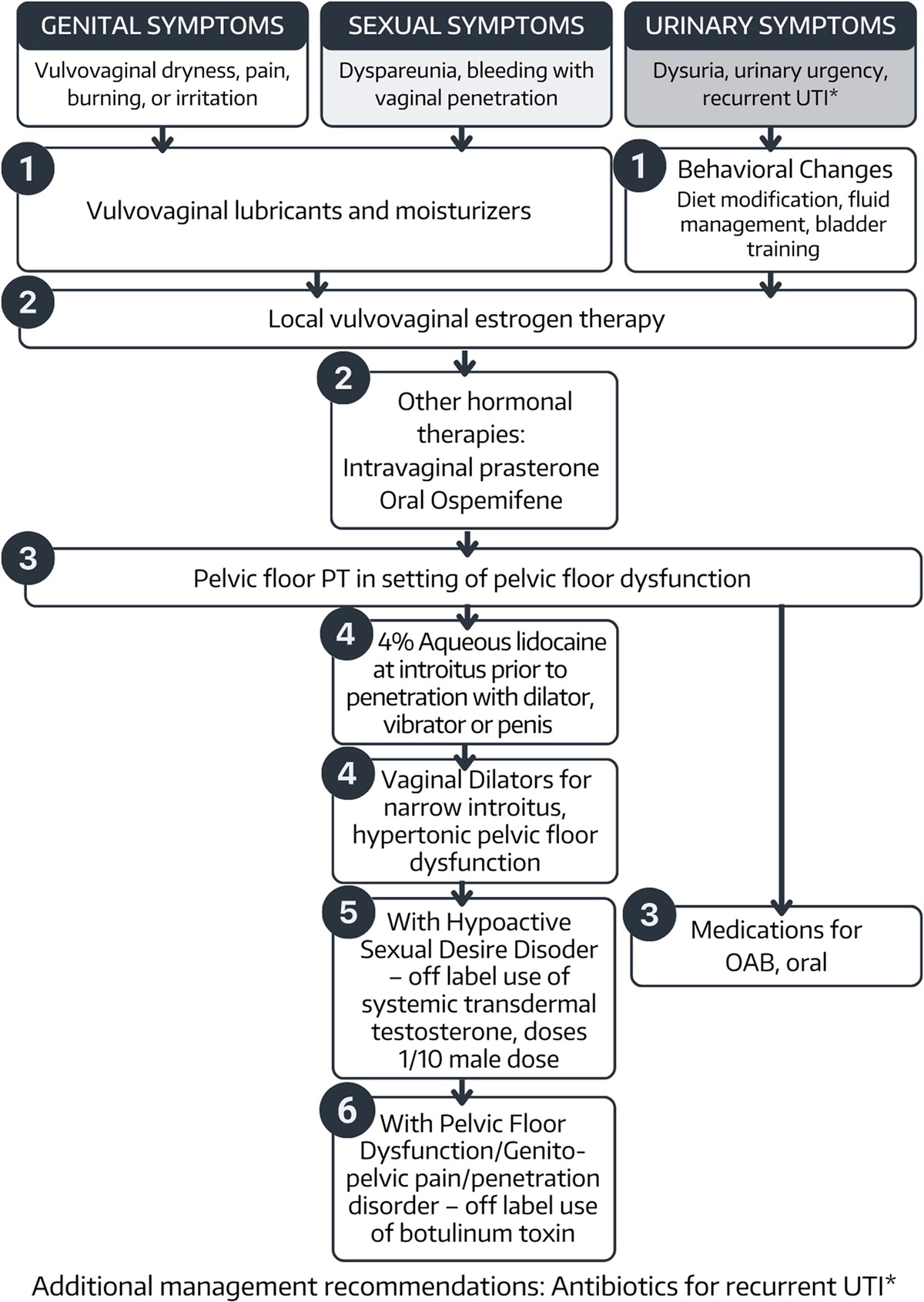
Clinical Practice Guidelines for Managing Genitourinary Symptoms Associated With Menopause
Treatment includes vaginal moisturizers and lubricants geared towards providing symptomatic relief; hormonal treatments which promote epithelial thickening and production of vaginal secretions; and pelvic floor physical therapy along with behavioral...
A group of experts author clinical practice guidelines for the management of select menopausal symptoms.
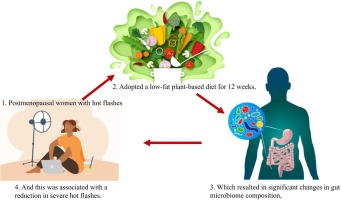
A Dietary Intervention for Postmenopausal Hot Flashes: a Potential Role of Gut Microbiome
Source : https://www.sciencedirect.com/science/article/pii/S0965229923000894?via=ihub
This study examined the role of gut microbiome changes in mediating the effects of a dietary intervention on the frequency and severity of postmenopau...
Total hot flashes decreased by 95% while patients were on a vegan diet. Changes in Porphyromonas and Prevotella corporis correlated with hot flashes, and changes in Clostridium asparagiforme correlated with changes in severe hot flashes.

Military Sexual Trauma and Menopause Symptoms Among Midlife Women Veterans
Source : https://pubmed.ncbi.nlm.nih.gov/37957529/
Exposure to MST is common among midlife women Veterans and shows strong and independent associations with clinically significant menopause and mental health symptoms.
Military sexual trauma was associated with the presence of vasomotor symptoms, vaginal symptoms, clinically significant depressive symptoms, anxiety, and probable post-traumatic stress disorder.

Association Between Depressive Mood and Body Image and Menopausal Symptoms and Sexual Function in Perimenopausal Women
Source : https://www.ncbi.nlm.nih.gov/pmc/articles/PMC10698428/
Perimenopausal is the period when women's ovarian function begins to decline before and after menopause. During this period, women experience a series of mental state changes, such as decreased hormone...
This study shows that depression and body image play mediating roles between menopausal symptoms and sexual function in perimenopausal women, and reasonable countermeasures should be considered.
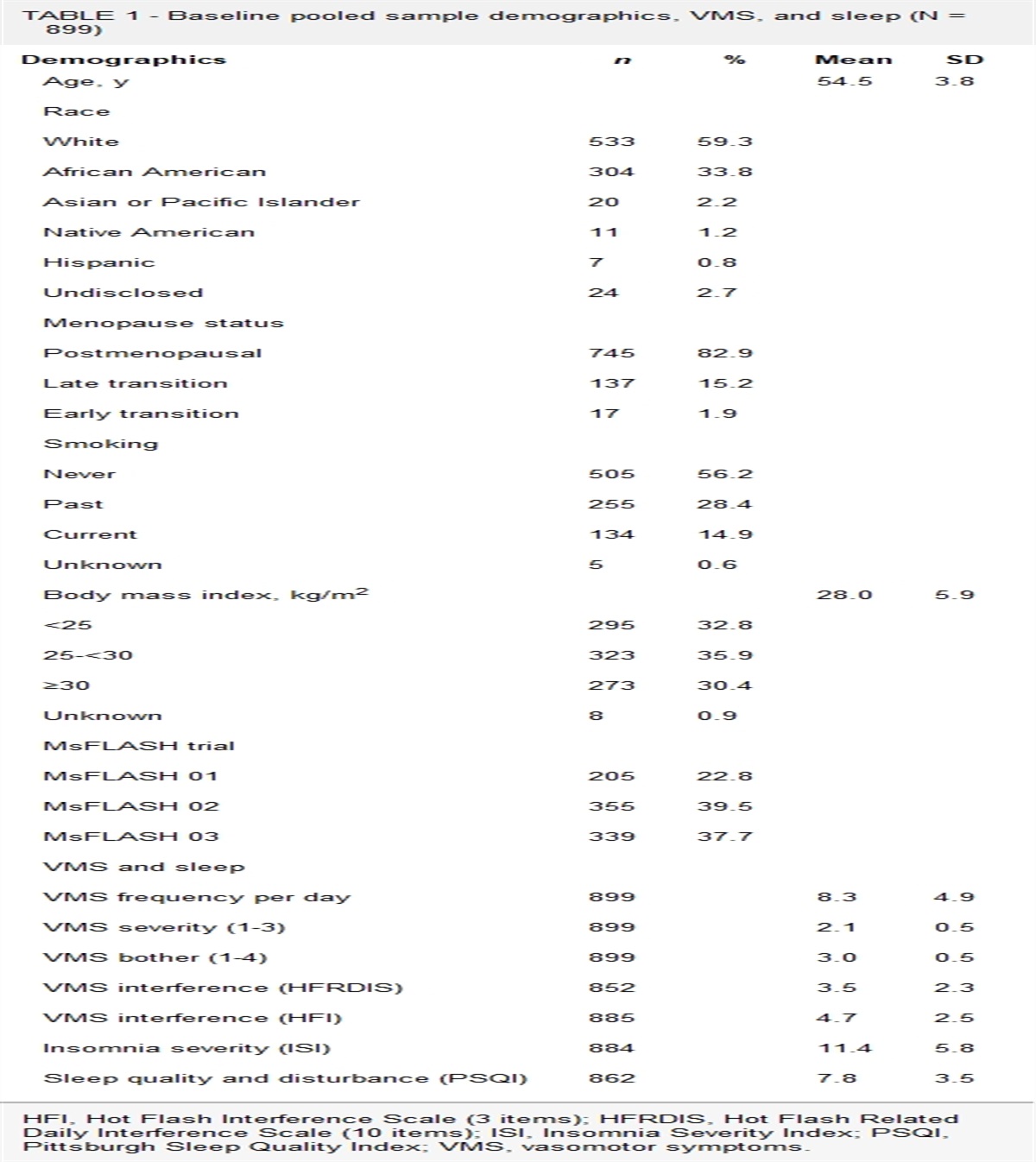
Correlations Among Core Outcomes in Menopause-Recommended Vasomotor Symptom Outcomes in MsFLASH Trials
Source : https://journals.lww.com/menopausejournal/abstract/9900/correlations_among_core_outcomes_in.261.aspx
Participants were mostly postmenopausal (82.9%) and a mean of 54.5 years old.
Severity and bother of vasomotor symptoms were strongly correlated; interference of vasomotor symptoms was moderately correlated with insomnia and fairly to moderately correlated with sleep quality/disturbance.

Barriers to Accessing Effective Treatment and Support for Menopausal Symptoms: A Qualitative Study Capturing the Behaviours, Beliefs and Experiences of Key Stakeholders
Barriers to Accessing Effective Treatment and Support for Menopausal Symptoms: A Qualitative Study Capturing the Behaviours, Beliefs and Experiences of Key Stakeholders
Lack of knowledge about the menopause and the risks and benefits of HRT by women and GPs were the main barriers identified that are preventing women from accessing adequate support for the menopause.

Fezolinetant: a New Nonhormonal Treatment for Vasomotor Symptoms
Source : https://pubmed.ncbi.nlm.nih.gov/37974591/
To review the safety, efficacy, and tolerability of fezolinetant for the treatment of vasomotor symptoms associated with menopause. A literature search was conducted through PubMed.
With the approval of fezolinetant, providers and patients have additional nonhormonal treatment options for vasomotor symptoms associated with menopause.
Systematic Review and Network Meta-Analysis Comparing the Efficacy of Fezolinetant With Hormone and Nonhormone Therapies for Treatment of Vasomotor Symptoms Due to Menopause
The neurokinin 3 receptor antagonist fezolinetant 45 mg/d significantly reduced frequency...
Study data suggest that fezolinetant represents the most effective non-HT option for women who have contraindications for HT or wish not to use HT for the treatment of moderate to severe VMS due to menopause.

"I Can't Be Dealing With This Brain Fog": a Workplace Focus Group Study Investigating Factors Underpinning the Menopausal Experience for NHS Staff
Source : https://pubmed.ncbi.nlm.nih.gov/38029510/
Employers have a key role in supporting their staff experiencing menopausal symptoms, and such support has the potential to reduce sickness absence and boost retention.
Menopause symptom experience in the workplace was multifaceted and varied, depending on factors such as medical history, expectations, social support and effectiveness of management strategies.

Concurrent Uterine Surgery and Uptake of Hormone Therapy in Patients Undergoing Bilateral Salpingo-Oophorectomy for Risk-Reducing or Therapeutic Indications
Source : https://pubmed.ncbi.nlm.nih.gov/37988946/
Rates of hysterectomy declined over the study period and slightly more than one-third of eligible patients utilized post-operative HT. Further research on concurrent uterine surgery is needed to establish standardized...
Utilization of concurrent uterine surgery at the time of risk-reducing or therapeutic bilateral salpingo-oophorectomy varies.

Psychometric Evaluation of the PROMIS SD-SF-8b Instrument in Individuals Experiencing Vasomotor Symptoms Due to Menopause
Source : https://pubmed.ncbi.nlm.nih.gov/37990323/
ClinicalTrials.gov numbers: NCT04003155 and NCT04003142.
The psychometric properties of the PROMIS SD-SF-8b support its use to measure sleep disturbance in women with vasomotor symptoms due to menopause.

Menopause has minimal effect on the physiological responses to hypoxia in physically fit women and does not increase the risk of acute mountain sickness. Postmenopausal women have an increased risk of urinary tract infections, which may be exacerbated during mountain travel.

Use of MHT in Women With Cardiovascular Disease: a Systematic Review and Meta-Analysis
Source : https://pubmed.ncbi.nlm.nih.gov/37933495/
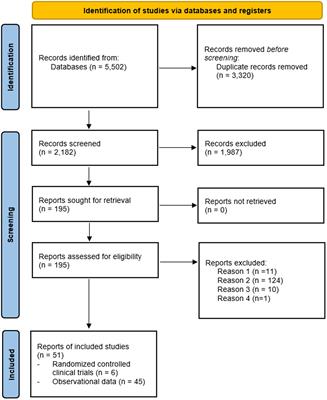
This systematic review assesses the effect of menopausal hormone therapy (MHT) on cardiovascular outcomes and risk factors in postmenopausal women with cardiovascular disease (CVD).
No significant differences were observed between MHT users and controls regarding primary outcomes of nonfatal MI, CV death, or stroke. No differences in frequency of angina, HF, and TIAs were observed.
Systematic Review and Meta-Analysis of the Effects of Menopause Hormone Therapy on Risk of Alzheimer’s Disease and Dementia
Source : https://www.frontiersin.org/articles/10.3389/fnagi.2023.1260427/full
Despite a large preclinical literature demonstrating neuroprotective effects of estrogen, use of menopausal hormone therapy (HT) for Alzheimer's disease (AD) risk reduction has been controversial.
In midlife, ET use was associated with a 32% reduction in dementia risk, while EPT use showed a non-significant 23% risk reduction as compared to non-use.

Cardiovascular Risk Assessment in Women: Which Women Are Suited for Menopausal Hormone Therapy?
Source : https://pubmed.ncbi.nlm.nih.gov/37931647/
Individual risk assessment for atherosclerotic cardiovascular disease is important for safe menopausal hormone prescription.
Estimation of ASCVD risk in perimenopausal women needing MHT can be tailored by adding female-specific risk factors and a CAC score with computed tomography if there is doubt about individual risk.
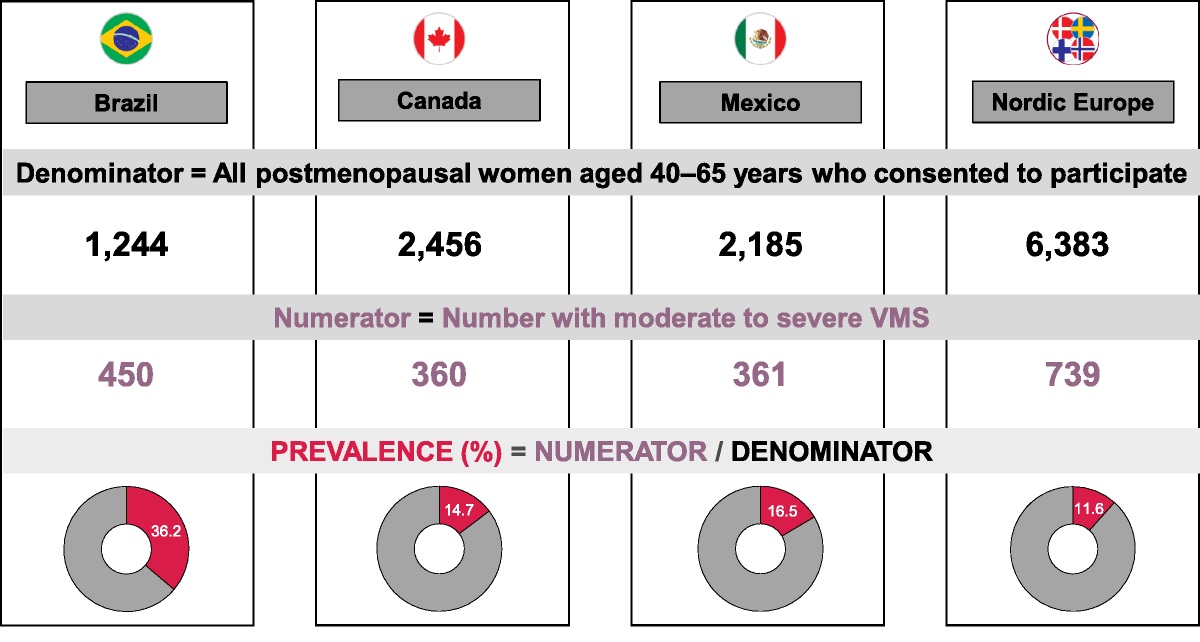
Prevalence and Impact of Vasomotor Symptoms due to Menopause Among Women in Brazil, Canada, Mexico, and Nordic Europe: a Cross-Sectional Survey
Researchers surveyed women aged 40 to 65 years in Brazil, Canada, Mexico, and 4 Nordic European countries (Denmark, Finland, Norway, and Sweden) using an online survey. Secondary objectives assessed impact...
A total of 37,206 women across Brazil, Canada, Mexico, and 4 Nordic European countries accessed the survey. Across regions, 44% never received any pharmacologic treatment, and 16.9% and 5.2% of respondents were taking prescription HT and non-HT medications, respectively, at the time of the survey.

Fezolinetant blocks NKB binding on the kisspeptin/neurokinin B/dynorphin neuron, which modulates neuronal activity in the thermoregulatory center and decreases the number and intensity of hot flashes and night sweats.

Relationships Between the Vaginal Microbiota and Genitourinary Syndrome of Menopause Symptoms in Postmenopausal Women: the Study of Women's Health Across the Nation
Source : https://pubmed.ncbi.nlm.nih.gov/37788422/
Although close relationships exist among estrogen, CSTs, VMI, and pH, sexual pain was the only GSM symptom associated with the structure of vaginal microbiota and atrophy biomarkers.
Although close relationships exist among estrogen, community state types, vaginal maturation index, and pH, sexual pain was the only symptom of the genitourinary syndrome of menopause associated with the structure of vaginal microbiota and atrophy biomarkers.