



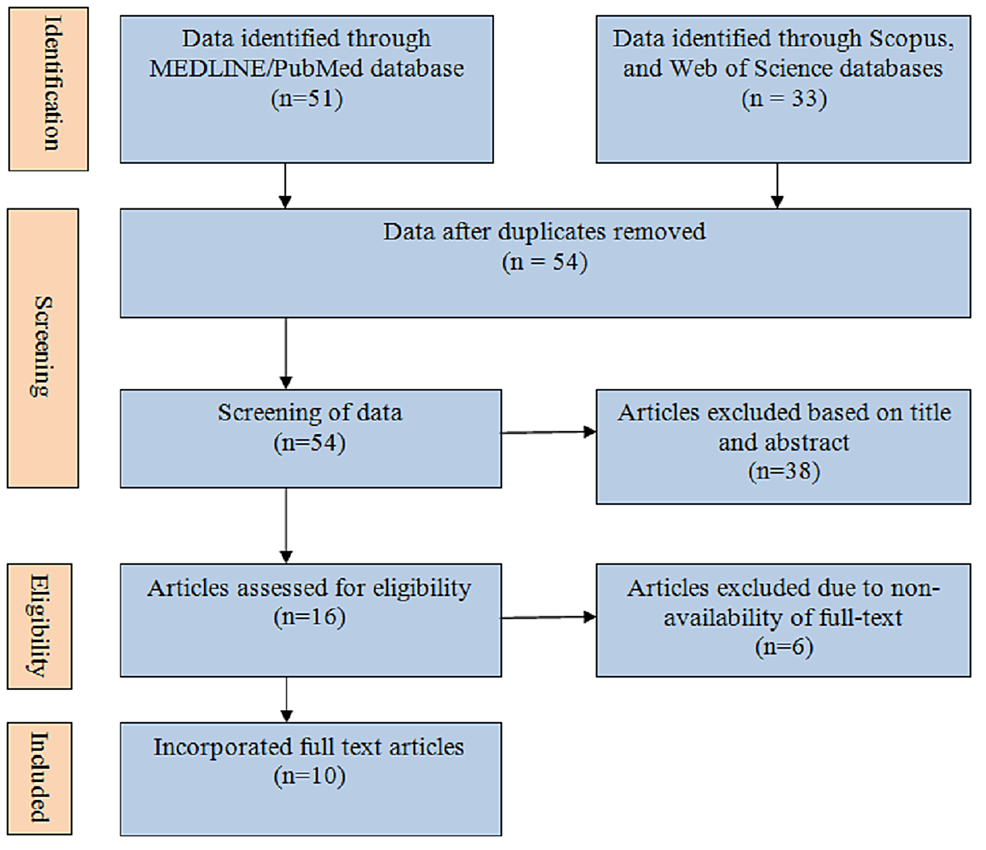
Prevalence of Metabolic Syndrome and Its Association With Menopausal Symptoms in Post-Menopausal Women: A Scoping Review
Complex metabolic dysregulation leads to metabolic syndrome (MetS) causing various symptoms such as type II diabetes, central obesity, cardiovascular diseases (CVD), altered glucose metabolism, hypertension, and dyslipidemia, and is thought...
Conclusion: This review concludes that MetS is more common in post-menopausal women and are more likely to experience somatic complaints and a positive correlation of vasomotor symptoms with MetS, in comparison to pre-menopausal women which is due to estrogen shortage and fat redistribution. Additionally, in older and obese women, the...
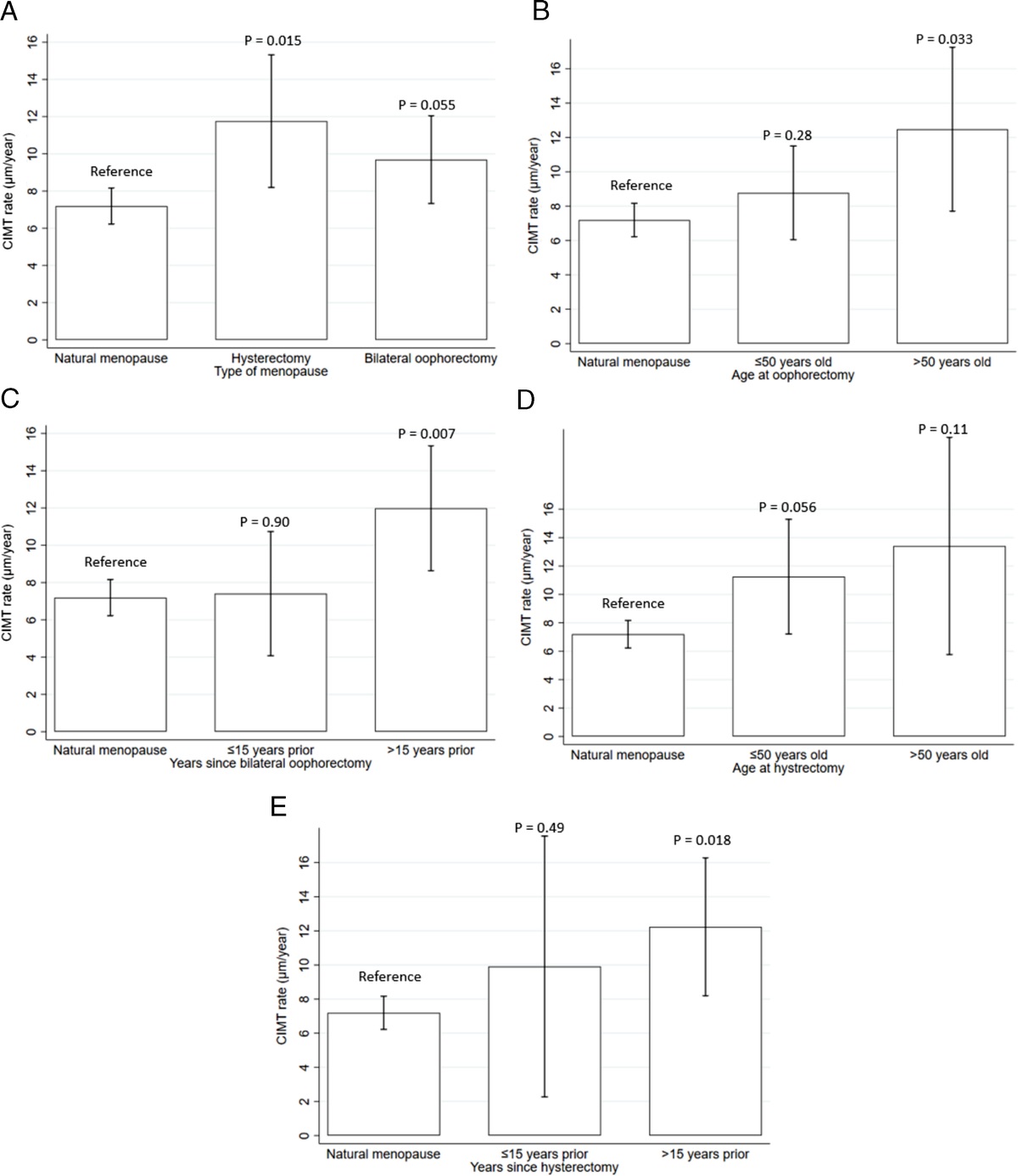
The association of hysterectomy with or without ovarian conservation with subclinical atherosclerosis progression in healthy postmenopausal women
to hormone therapy or placebo in the Early versus Late Intervention Trial with Estradiol (ELITE), which was conducted from July 2005 to February 2013. Subclinical atherosclerosis progression was measured as...
Conclusion: Hysterectomy with bilateral oophorectomy and ovarian conservation were associated with greater subclinical atherosclerosis progression relative to natural menopause. The associations were stronger for later age and longer time since oophorectomy/hysterectomy. Further research should continue to examine long-term atherosclerosis...
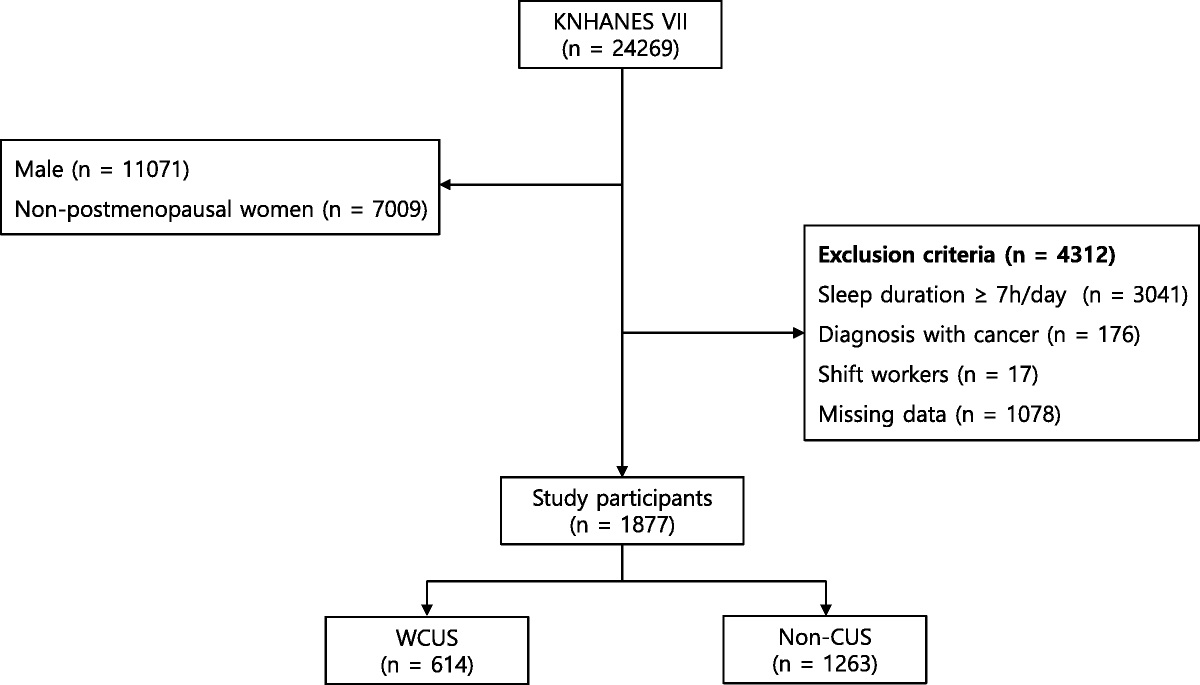
Association between weekend catch-up sleep and hyperuricemia with insufficient sleep in postmenopausal Korean women: a nationwide cross-sectional study
d with adequate sleep duration, which is related to a low risk of hyperuricemia. Considering that it is difficult for people to get enough sleep in modern society, this study...
Conclusions: Weekend catch-up sleep had a decreased prevalence of hyperuricemia in postmenopausal women with sleep deprivation.
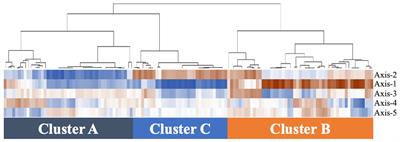
Etiology of recurrent cystitis in postmenopausal women based on vaginal microbiota and the role of Lactobacillus vaginal suppository
Source : https://www.frontiersin.org/articles/10.3389/fmicb.2023.1187479/full
BackgroundThe vaginal microbiota can be altered by uropathogenic bacteria associated with recurrent cystitis (RC), and the vaginal administration of Lactobacillus have suggested certain effects to prevent RC. The relationship between...
Conclusion: The present study demonstrated that the vaginal microbiota in postmenopausal women with RC is essentially different from that of postmenopausal women with uncomplicated cystitis. Therefore, vaginal dysbiosis is likely associated with RC because the vagina serves as a reservoir of enteric bacteria, from which cystitis becomes...
Conclusion: In this case-control study, MM in the general population had clinical characteristics that were quantitively different from those of non-MM. Detailed descriptive data and suggested improved diagnostic criteria for pure MM and menstrually related migraine were provided.

A pragmatic approach to the management of menopause
Source : https://www.cmaj.ca/content/195/19/E677
KEY POINTS Menopause is defined as 1 year of amenorrhea caused by declining ovarian reserve or as the onset of vasomotor symptoms in people with iatrogenic amenorrhea. It is preceded...
Conclusion: Menopause and perimenopause can be associated with distressing symptoms and reduced quality of life. Menopausal hormone therapy is the first-line treatment for vasomotor symptoms in the absence of contraindications. Patients with contraindications to estrogen and progestin therapy can be offered nonhormonal alternatives. Choice of...

Perimenopause and/or menopause help-seeking among women from ethnic minorities: a qualitative study of primary care practitioners' experiences
Source : https://bjgp.org/content/early/2023/04/27/BJGP.2022.0569
Background Each woman's experience of the perimenopause and/or menopause is individual and unique. Research shows women from ethnic minorities often have different experiences from their White peers, and these are...
Discussion: Given the complex nature of connecting perimenopause and/or menopausal symptoms and the inter-relationship with other chronic conditions, the availability of accurate and trusted interpreter support during the consultation is necessary for this complexity to be explored safely and thoroughly in a conversation between the woman and...
How menopause reshapes the brain
Source : https://www.nature.com/articles/d41586-023-01474-3
Researchers are starting to learn how the early stages of menopause affect brain health - and what that could mean for treatment. Researchers are starting to learn how the early...
Discussion: Researchers increasingly recognize that menopause and the transition to it, a phase labelled perimenopause, could set the stage for brain health in later life, and there are even hints that it could correlate with the risk of neurodegenerative diseases, such as Alzheimer’s disease.

Impact of Menopause Symptoms on Women in the Workplace
Source : https://www.sciencedirect.com/science/article/abs/pii/S002561962300112X
We conducted a one-time survey study among women aged 45 to 60 years receiving primary care at 1 of 4 Mayo Clinic sites-Rochester, Minnesota; Scottsdale, Arizona; Jacksonville, Florida; and Mayo...
Conclusion: This large cross-sectional study identified a major negative impact of menopause symptoms on work outcomes and the need to improve medical treatment for these women and make the workplace environment more supportive. Additional studies are needed to confirm these findings in larger and more diverse groups of women.

A multicenter, randomized, placebo-controlled study to select the minimum effective dose of estetrol in postmenopausal participants (E4Relief): part 2-vaginal cytology, genitourinary syndrome of menopause, and health-related quality of life - PubMed
Source : https://pubmed.ncbi.nlm.nih.gov/36809193/
The .gov means it's official. Federal government websites often end in .gov or .mil. Before sharing sensitive information, make sure you're on a federal government site. The site is secure....
Conclusion: E4 demonstrated estrogenic effects in the vagina and decreased signs of atrophy. E4 15 mg is a promising treatment option also for important menopausal symptoms other than VMS.
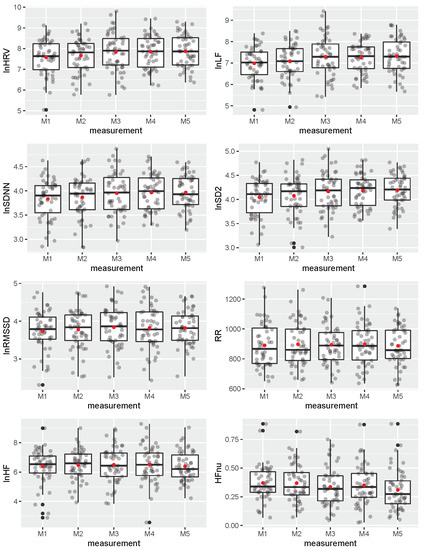
Standard Heart Rate Variability Parameters-Their Within-Session Stability, Reliability, and Sample Size Required to Detect the Minimal Clinically Important Effect
Source : https://www.mdpi.com/2077-0383/12/9/3118
Many intervention studies assume the stability of heart rate variability (HRV) parameters, and their sample sizes are often small, which can significantly affect their conclusions. The aim of this study...
Conclusion: We found significant differences in the mean values of most HRV parameters between measurements during the first 20 min compared with measurements during the last 30 min of recording. Therefore, optimal measurement protocols in a resting sitting position should be performed within the first 20 min or between 20 and 50 min after...
Role of Phytoestrogen in Menopausal Women With Depressive Symptoms: A Consecutive Case Series Study
Introduction During menopause, healthy women experience a diverse aggregate of clinical manifestations and symptoms that relate to hormonal and aging changes. These alterations are strictly associated with psychological disorders, mainly...
Conclusion: Phytoestrogen administration to menopausal women is indicated to reduce depression symptoms. More research in the area is needed to reach definite conclusions.
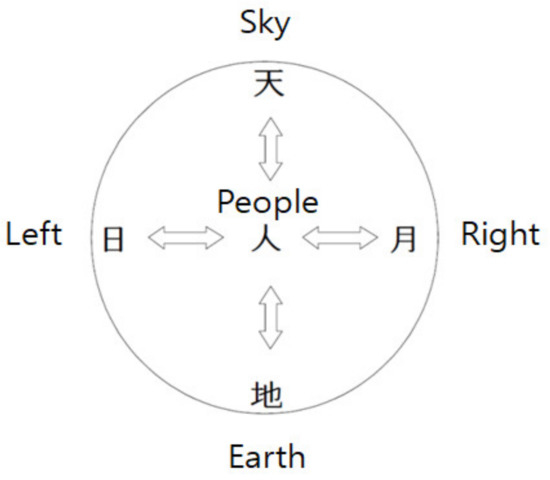
Effectiveness of SaBang-DolGi Walking Exercise Program on Physical and Mental Health of Menopausal Women
Source : https://www.mdpi.com/1660-4601/17/18/6935/htm?ref=tomecontroldesusalud.com
Objective: We investigated the effectiveness of a 12-week SaBang-DolGi walking exercise program on the physical and mental health of menopausal women and aimed to provide the basic data needed to...
Conclusion: he results of this study indicate that the SaBang-DolGi walking exercise program has a positive effectiveness on the physical and mental health of menopausal women. Moreover, the proposed protocol is associated with variables of physical health (body composition, flexibility, grip strength and abdominal muscle strength) and...

Inverse Correlation Between Bone Mineral Density and Systemic Immune Inflammation Index in Postmenopausal Turkish Women
Aim: In this study, the correlation between the change in bone mineral density (BMD) and the numerical value of the systemic immune inflammation index (SII) in postmenopausal Turkish women was...
Conclusion: PMO is a global public health problem and it is extremely important to reveal biomarkers that can be used in its early diagnosis for its prevention. In addition, the simple, cost-effective, and accessible biomarkers to be used will pave the way for their more widespread use, thus enabling a wider assessment of the population at...
Chronic conditions in women: the development of a National Institutes of health framework - BMC Women's Health
Source : https://bmcwomenshealth.biomedcentral.com/articles/10.1186/s12905-023-02319-x
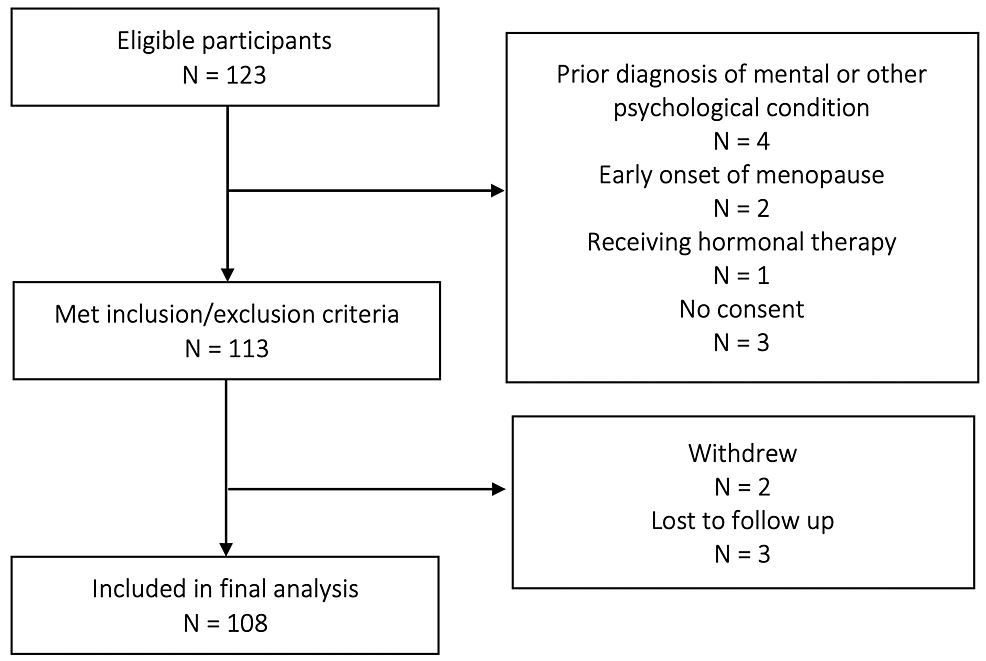
Rising rates of chronic conditions were cited as one of the key public health concerns in the Fiscal Year (FY) 2021 U.S. Senate and House of Representatives appropriations bills, where...
Conclusion: A review of NIH research activities on chronic conditions in women, completed in preparation for the congressionally directed “Advancing NIH Research on Women’s Health” conference, revealed multiple opportunities to align the NIH research agenda with the health needs of women. Social determinants of health, including factors...
Role of Phytoestrogen in Menopausal Women With Depressive Symptoms: A Consecutive Case Series Study
Source : https://www.cureus.com/articles/104965
Introduction During menopause, healthy women experience a diverse aggregate of clinical manifestations and symptoms that relate to hormonal and aging changes. These alterations are strictly associated with psychological disorders, mainly...
Conclusion: Phytoestrogen administration to menopausal women is indicated to reduce depression symptoms. More research in the area is needed to reach definite conclusions.
Conclusion: In this study, females exhibited higher tau compared with age-matched males, particularly in the setting of elevated Aβ. In females, earlier age at menopause and late initiation of HT were associated with increased tau vulnerability especially when neocortical Aβ elevated. These observational findings suggest that subgroups of...
Cognitive Decline in Early and Premature Menopause
Source : https://www.mdpi.com/1422-0067/24/7/6566
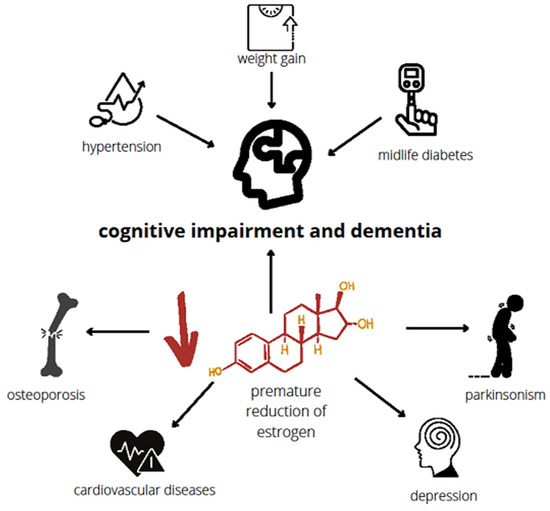
Early and premature menopause, or premature ovarian insufficiency (POI), affects 1% of women under the age of 40 years. This paper reviews the main aspects of early and premature menopause...
Conclusion: There are associations between the risk of dementia and the age of menarche, the age of menopause, and the time between first menstruation and menopause. Another interesting problem regards the sex-specific differences in the architecture of the brain. Differences found in the structural and functional connections of a woman’s...
The effect of menopause on cardiovascular risk factors according to body mass index in middle-aged Korean women
Source : https://journals.plos.org/plosone/article?id=10.1371/journal.pone.0283393
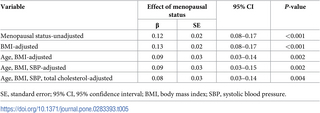
Background Menopausal status and obesity are associated with an increased risk for cardiovascular diseases. However, there are few studies on the effect of menopause on cardiovascular risk factors according to...
Conclusion: Menopausal status was associated with increased glucose and cholesterol levels independent of age and BMI in middle-aged Korean women. Menopausal status showed a significant relationship with increased total cholesterol levels even after adjusting for age and BMI in non-obese women but not obese women. Therefore, intensive...

Body Composition Changes over the Menopausal Transition in Women With and Without HIV
Among women with HIV, the transition to menopause was associated with BMI and waist circumference trajectories that were mostly in the negative direction and op
Conclusion: In WWH, the menopausal transition was associated with BMI and WC trajectories that were mostly in a negative direction and opposite from WWOH after adjusting for age, suggesting that HIV blunts weight gain during the menopausal transition.