



Bone Mineral Density and Trabecular Bone Score Changes Throughout Menopause in Women With HIV
Source : https://www.ncbi.nlm.nih.gov/pmc/articles/PMC10747369/
The objectives of this study were to describe the trajectories of bone mineral density (BMD) and trabecular bone score (TBS) changes throughout pre-menopause (reproductive phase and menopausal transition) and post-menopause...
These results suggested that bone health should be assessed with BMD and TBS simultaneously, as they were associated with different risk factors. Both these biomarkers significantly decreased over time throughout the menopausal periods.

Efficacy and Safety of Fezolinetant, a Neurokinin-3 Antagonist, in Treating Vasomotor Symptoms in Postmenopausal Women: a Systematic Review and Meta-Analysis
Source : https://pubmed.ncbi.nlm.nih.gov/38115258/
Fezolinetant can be a treatment option for postmenopausal VMS but warns of a risk increase in endometrial hyperplasia or tumors.
The results of this study bring to light the effectiveness of fezolinetant as a treatment option, especially for patients at risk of breast cancer and other contraindications of hormone therapy.
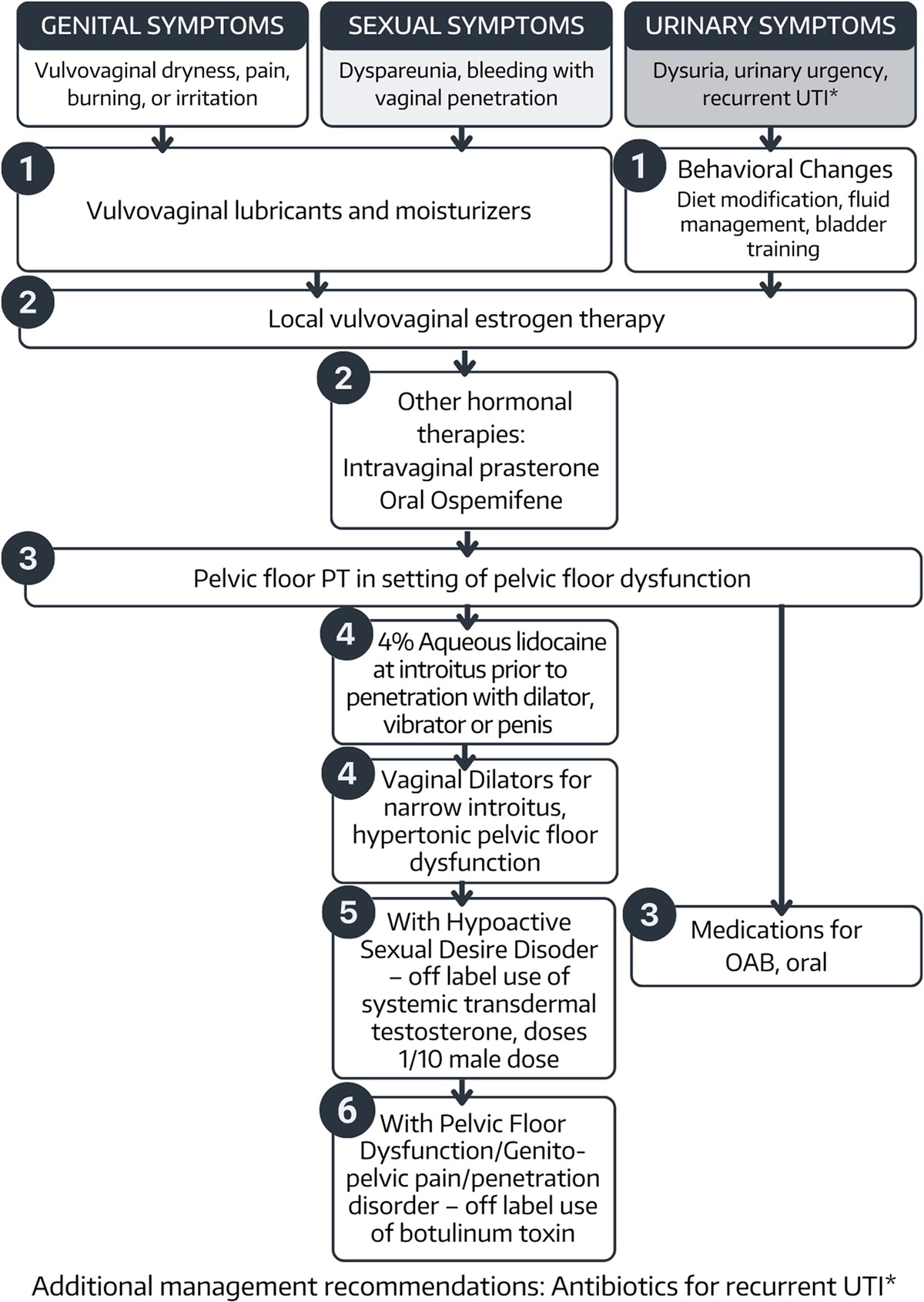
Clinical Practice Guidelines for Managing Genitourinary Symptoms Associated With Menopause
Treatment includes vaginal moisturizers and lubricants geared towards providing symptomatic relief; hormonal treatments which promote epithelial thickening and production of vaginal secretions; and pelvic floor physical therapy along with behavioral...
A group of experts author clinical practice guidelines for the management of select menopausal symptoms.
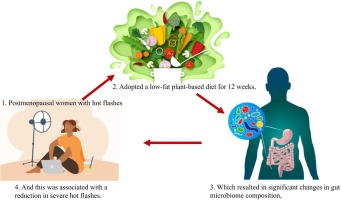
A Dietary Intervention for Postmenopausal Hot Flashes: a Potential Role of Gut Microbiome
Source : https://www.sciencedirect.com/science/article/pii/S0965229923000894?via=ihub
This study examined the role of gut microbiome changes in mediating the effects of a dietary intervention on the frequency and severity of postmenopau...
Total hot flashes decreased by 95% while patients were on a vegan diet. Changes in Porphyromonas and Prevotella corporis correlated with hot flashes, and changes in Clostridium asparagiforme correlated with changes in severe hot flashes.

Military Sexual Trauma and Menopause Symptoms Among Midlife Women Veterans
Source : https://pubmed.ncbi.nlm.nih.gov/37957529/
Exposure to MST is common among midlife women Veterans and shows strong and independent associations with clinically significant menopause and mental health symptoms.
Military sexual trauma was associated with the presence of vasomotor symptoms, vaginal symptoms, clinically significant depressive symptoms, anxiety, and probable post-traumatic stress disorder.