



Association Between Depressive Mood and Body Image and Menopausal Symptoms and Sexual Function in Perimenopausal Women
Source : https://www.ncbi.nlm.nih.gov/pmc/articles/PMC10698428/
Perimenopausal is the period when women's ovarian function begins to decline before and after menopause. During this period, women experience a series of mental state changes, such as decreased hormone...
This study shows that depression and body image play mediating roles between menopausal symptoms and sexual function in perimenopausal women, and reasonable countermeasures should be considered.
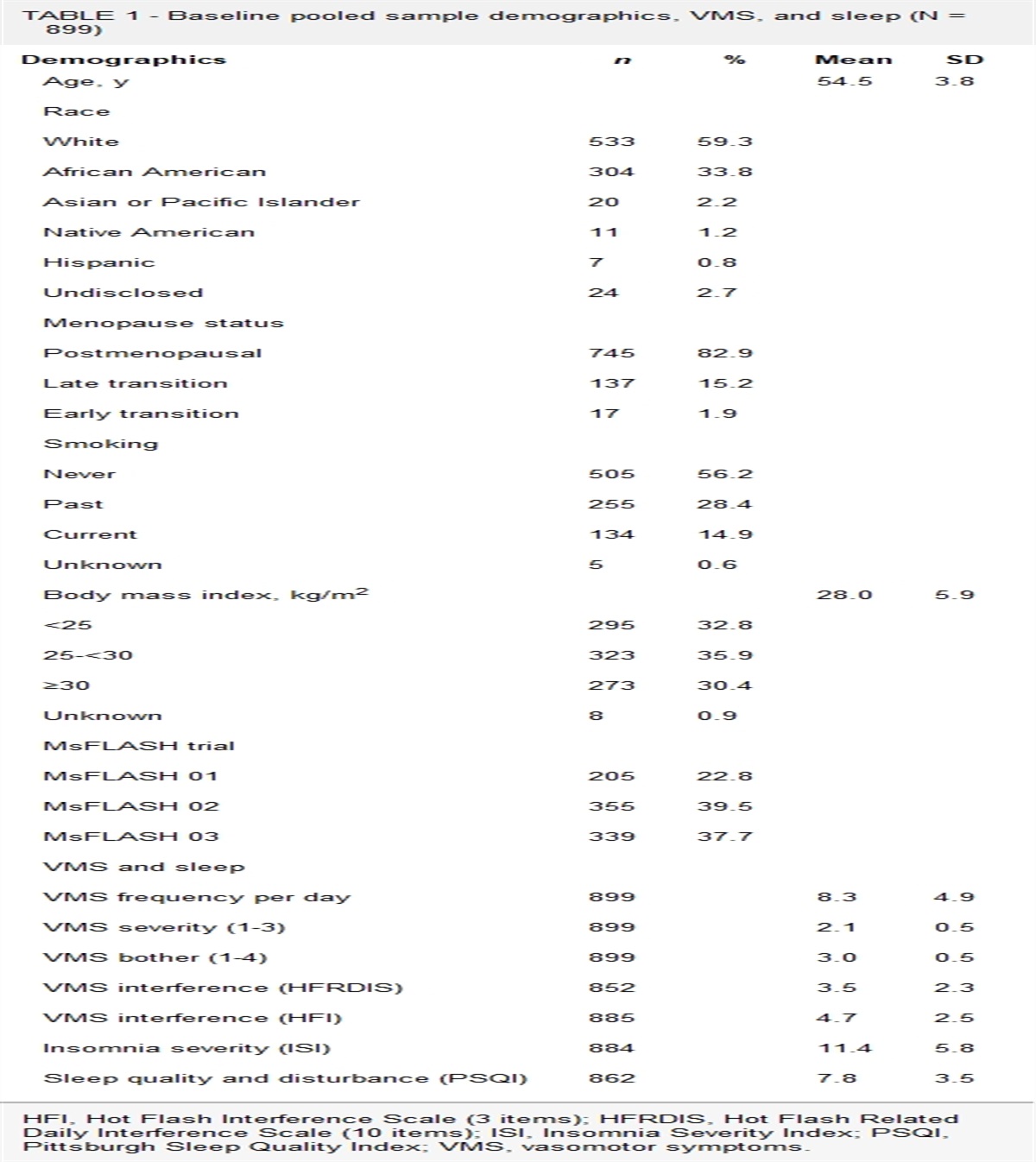
Correlations Among Core Outcomes in Menopause-Recommended Vasomotor Symptom Outcomes in MsFLASH Trials
Source : https://journals.lww.com/menopausejournal/abstract/9900/correlations_among_core_outcomes_in.261.aspx
Participants were mostly postmenopausal (82.9%) and a mean of 54.5 years old.
Severity and bother of vasomotor symptoms were strongly correlated; interference of vasomotor symptoms was moderately correlated with insomnia and fairly to moderately correlated with sleep quality/disturbance.

Barriers to Accessing Effective Treatment and Support for Menopausal Symptoms: A Qualitative Study Capturing the Behaviours, Beliefs and Experiences of Key Stakeholders
Barriers to Accessing Effective Treatment and Support for Menopausal Symptoms: A Qualitative Study Capturing the Behaviours, Beliefs and Experiences of Key Stakeholders
Lack of knowledge about the menopause and the risks and benefits of HRT by women and GPs were the main barriers identified that are preventing women from accessing adequate support for the menopause.

Fezolinetant: a New Nonhormonal Treatment for Vasomotor Symptoms
Source : https://pubmed.ncbi.nlm.nih.gov/37974591/
To review the safety, efficacy, and tolerability of fezolinetant for the treatment of vasomotor symptoms associated with menopause. A literature search was conducted through PubMed.
With the approval of fezolinetant, providers and patients have additional nonhormonal treatment options for vasomotor symptoms associated with menopause.
Systematic Review and Network Meta-Analysis Comparing the Efficacy of Fezolinetant With Hormone and Nonhormone Therapies for Treatment of Vasomotor Symptoms Due to Menopause
The neurokinin 3 receptor antagonist fezolinetant 45 mg/d significantly reduced frequency...
Study data suggest that fezolinetant represents the most effective non-HT option for women who have contraindications for HT or wish not to use HT for the treatment of moderate to severe VMS due to menopause.