micro-community-banner
Profile Image
  • Saved
Integrating oral GLP-1 pathways into obesity care: clinical decisions beyond initiation

As obesity care continues to evolve, clinical focus is shifting from initiating therapy to managing obesity as a long-term, relapsing condition. Recent advances in oral glucagon-like peptide-1 (GLP-1) receptor agonist development reinforce this shift, prompting clinicians to consider not only whether to use pharmacologic therapy, but how it can be integrated into sustained, multidimensional care plans over time.

GLP-1 receptor activation influences appetite regulation, satiety signaling, and metabolic pathways central to obesity pathophysiology. Oral formulations demonstrate that these mechanisms can be engaged through daily administration, expanding how clinicians think about treatment design and long-term engagement. This evolution brings renewed attention to clinical integration—how pharmacologic therapy aligns with behavioral strategies, lifestyle interventions, and ongoing monitoring rather than functioning as a stand-alone solution.

Patient selection and adherence remain central considerations in long-term obesity management. Functional factors such as daily dosing routines, gastrointestinal tolerability, and treatment fatigue—as well as emotional factors including expectations, motivation, and prior weight-loss experiences—may influence sustained use and outcomes. These considerations highlight the importance of shared decision-making and regular reassessment as patient needs and priorities evolve.

Rather than viewing therapy choice as a single decision point, many clinicians are approaching obesity care as a dynamic process that requires adjustment over time. Evidence-based strategies increasingly emphasize structured follow-up, realistic goal-setting, behavioral support, and coordinated, multidisciplinary care. Within this framework, oral GLP-1 approaches may offer flexibility across different phases of treatment, including escalation, stabilization, or maintenance.

What factors most influence how you select patients for long-term pharmacologic obesity therapy?As oral GLP-1 options enter clinical practice, what adherence challenges or integration considerations will most shape how you incorporate them into comprehensive obesity care?

Profile Image
  • 2h
    In obesity care, the decision to start long-term medication like GLP-1 therapy usually comes down to a mix of clinical need and real-life readiness. It’s not just about BMI or Show More
  • 3h
    When considering long-term pharmacologic therapy for obesity, I look beyond BMI alone and focus on the broader clinical picture. Factors such as obesity-related comorbidities, previous weight-loss attempts, quality-of-life impact, and Show More


Show More Comments

  • Saved
case study

Patient Background:

Mr. C is a 52-year-old male with a BMI of 37 kg/m² and a 10-year history of obesity with multiple prior attempts at sustained weight loss through calorie restriction and exercise.

Comorbidities include hypertension (amlodipine 10 mg), dyslipidemia (atorvastatin 40 mg), prediabetes (HbA1c 6.2%), and obstructive sleep apnea managed with CPAP. He is a non-smoker. Family history includes paternal myocardial infarction at age 58. He is motivated for pharmacologic intervention and has enrolled in a structured lifestyle program.

Assessment & Diagnosis:

Waist circumference: 116 cm. BP: 138/86 mmHg. Fasting glucose: 108 mg/dL. LDL-C: 118 mg/dL.read more

He is an appropriate candidate for chronic weight management therapy. Treatment selection was guided by shared decision-making, cardiometabolic risk profile, prior weight-management history, and patient preference.

The care team initiates a once-weekly subcutaneous GLP-1 receptor agonist with gradual dose escalation over 16–20 weeks to improve tolerability.

In the STEP 1 trial (n=1,961), participants treated with semaglutide achieved a mean weight loss of 14.9% vs 2.4% with placebo at 68 weeks (p<0.001).

Common adverse effects discussed with the patient include nausea, vomiting, diarrhea, and constipation, particularly during dose escalation.

  1. Please provide a minimum of a 3 sentence response.
  2. 1.Which comorbidities support GLP-1 RA therapy in this patient?
  3. 2.What counseling strategies help minimize GI adverse effects during GLP-1 RA dose escalation?

Show Less

Profile Image
  • 3h
    This patient has several obesity-related comorbidities that strengthen the rationale for GLP-1 RA therapy, including prediabetes, hypertension, dyslipidemia, obstructive sleep apnea, and a significant cardiovascular risk profile. Beyond weight reduction, Show More
  • 6h
    He has several conditions that make GLP-1 receptor agonist therapy a strong fit. His obesity (BMI 37) is the main indication, but it becomes even more compelling because he already Show More

Show More Comments

  • Saved

Did you know? Obesity is a chronic, relapsing neurobiological disease driven by dysregulation of appetite-regulating hormones and energy homeostasis. GLP-1 receptor agonism reduces caloric intake centrally and slows gastric emptying. In the STEP 1 trial, once-weekly semaglutide achieved sustained weight reductions with many patients losing more than 15% of body weight, along with meaningful improvements in cardiometabolic risk factors.

How has your framing of obesity as a chronic disease changed how you discuss treatment goals with patients?

 NCCN Guidelines

How has your framing of obesity as a chronic disease changed how you discuss treatment goals with patients?

Profile Image
  • 3h
    Viewing obesity as a chronic disease has changed the conversation from one focused solely on willpower or short-term weight loss to one centered on long-term health and disease management. Many Show More
  • 23h
    The biggest shift for me has been in how I frame the conversation before starting treatment, not just after. I now spend more time upfront explaining what happens if a Show More

Show More Comments

  • Saved
Background Image DesktopBackground Image Mobile

Obesity is increasingly recognized as a chronic inflammatory condition associated with altered metabolic signaling, insulin resistance, and systemic health complications. Growing evidence supports the importance of early, sustained approaches to long-term weight management.

See how obesity affects whole-body health

Profile Image
  • 6h
    Obesity is increasingly understood as a chronic condition that affects far more than body weight alone, involving ongoing changes in metabolism, inflammation, and hormone signaling that can impact overall health Show More
  • 12h
    Obesity is increasingly recognized as a complex, chronic disease that affects far more than body weight alone. Research suggests that excess and dysfunctional fat tissue can trigger ongoing, low-grade inflammation Show More

Show More Comments

  • Saved
Profile Image
  • 8h
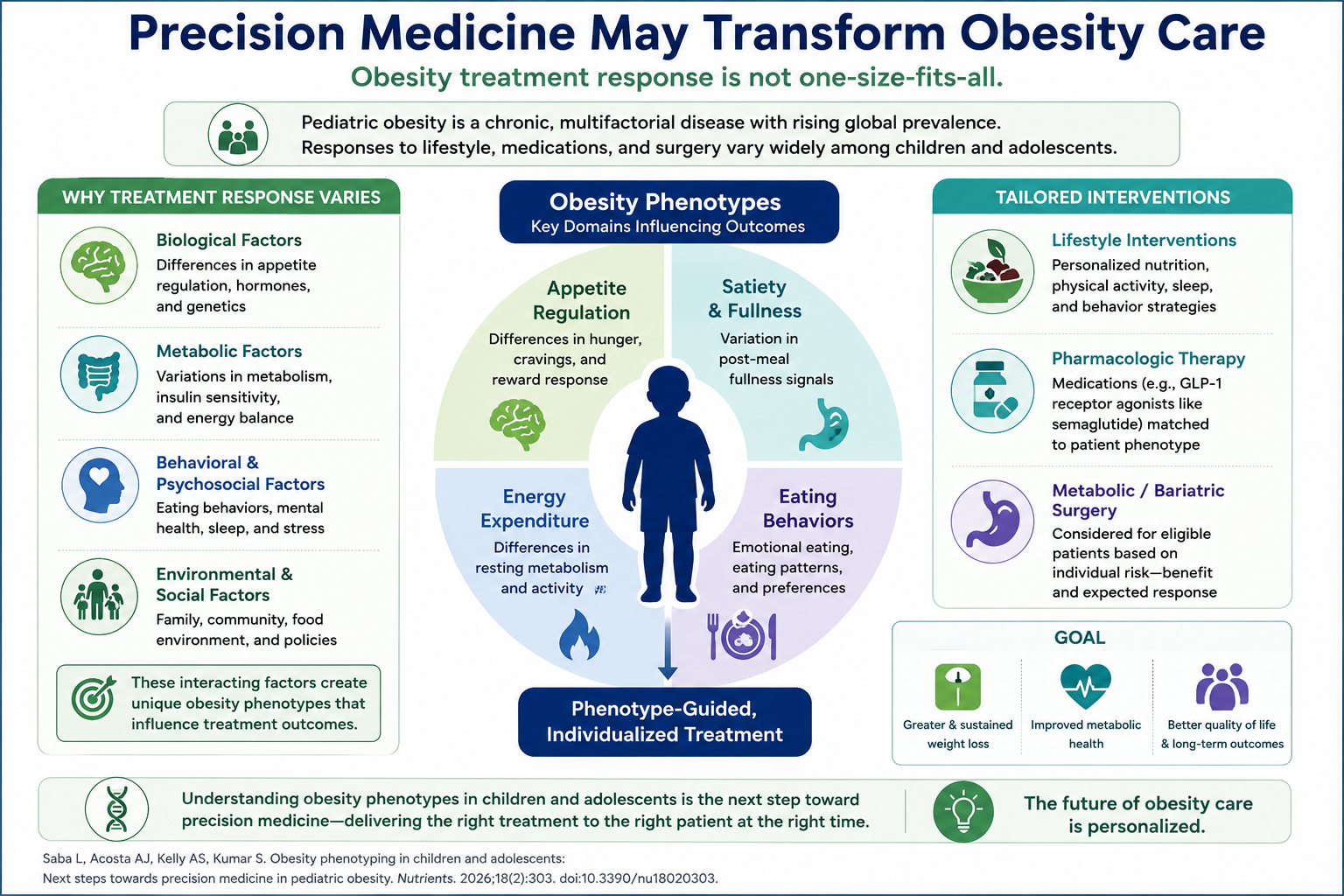
    No two people experience obesity in exactly the same way, especially in kids and teenagers. For some, it’s about appetite feeling stronger or harder to control. For others, it’s how Show More
  • 23h
    What strikes me about applying phenotype-guided care to pediatric and adolescent obesity specifically is that we're trying to characterize a moving target. An adult's metabolic and behavioral phenotype tends to Show More

Show More Comments