


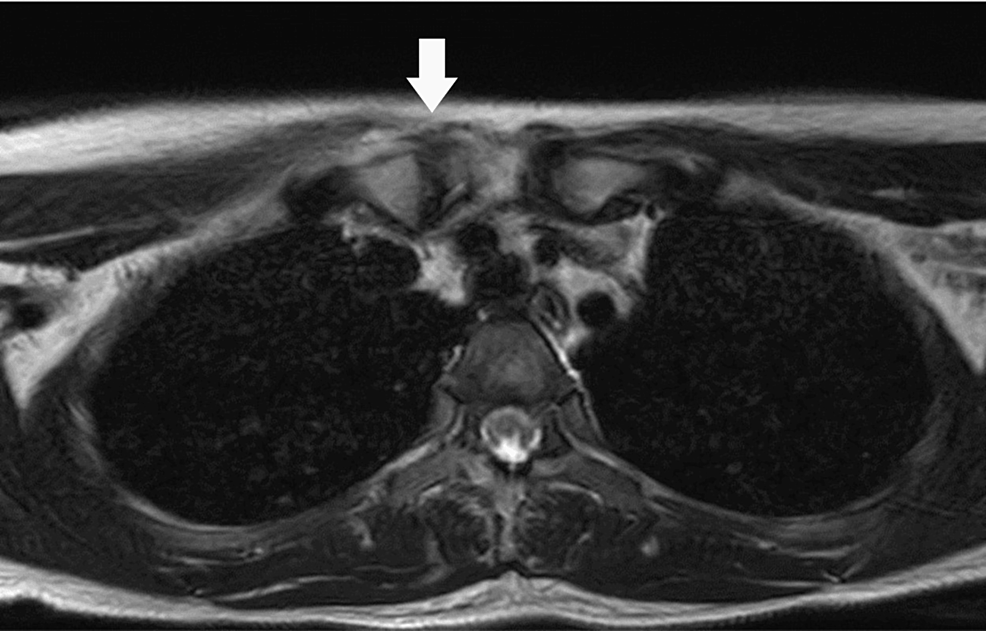
Sternoclavicular Septic Arthritis Due to Invasive Pneumococcal Infection After Type A Influenza Virus Infection
A 24-year-old female patient who had a type A influenza virus infection prior to admission visited our hospital complaining of a fever and right sternoclavicular pain. Blood culture was positive...
When a patient complains of gradually increasing chest pain after an influenza virus infection, SCJ septic arthritis should be considered in the differential diagnosis.

Investigating Viral Involvement in Immunocompromised Patients Using Comprehensive Infectious Disease Testing Including FilmArray Respiratory Panel 2.1 on Bronchoscopy: A Retrospective Study
Introduction Reports are rare on the usefulness of the FilmArray Respiratory Panel 2.1 (FARP) using lower respiratory tract specimens. This retrospective study assessed its use, as part of a comprehensive...
Conclusions: Comprehensive infectious disease testing, performed using bronchoalveolar lavage samples collected from lung lesions in immunosuppressed patients, showed low positive detection by FARP. The viruses currently detectable by FARP may be less involved in viral pneumonia diagnosed in immunocompromised patients.

Determining the Need for Additional Testing With Quantiferon TB Gold in Patients With Positive Tuberculin Skin Tests and a History of BCG Vaccination
Objective: To determine if the QuantiFERON-TB Gold (QFT) testing can be obviated for the diagnosis of latent tuberculosis infection (LTBI) in patients with a positive tuberculin skin test (TST) and...
Conclusion: This study also confirms that if the TST induration is more than 10mm in patients with a history of BCG vaccination, the TST induration is likely because of LTBI and is less likely because of cross-reaction with BCG vaccination.
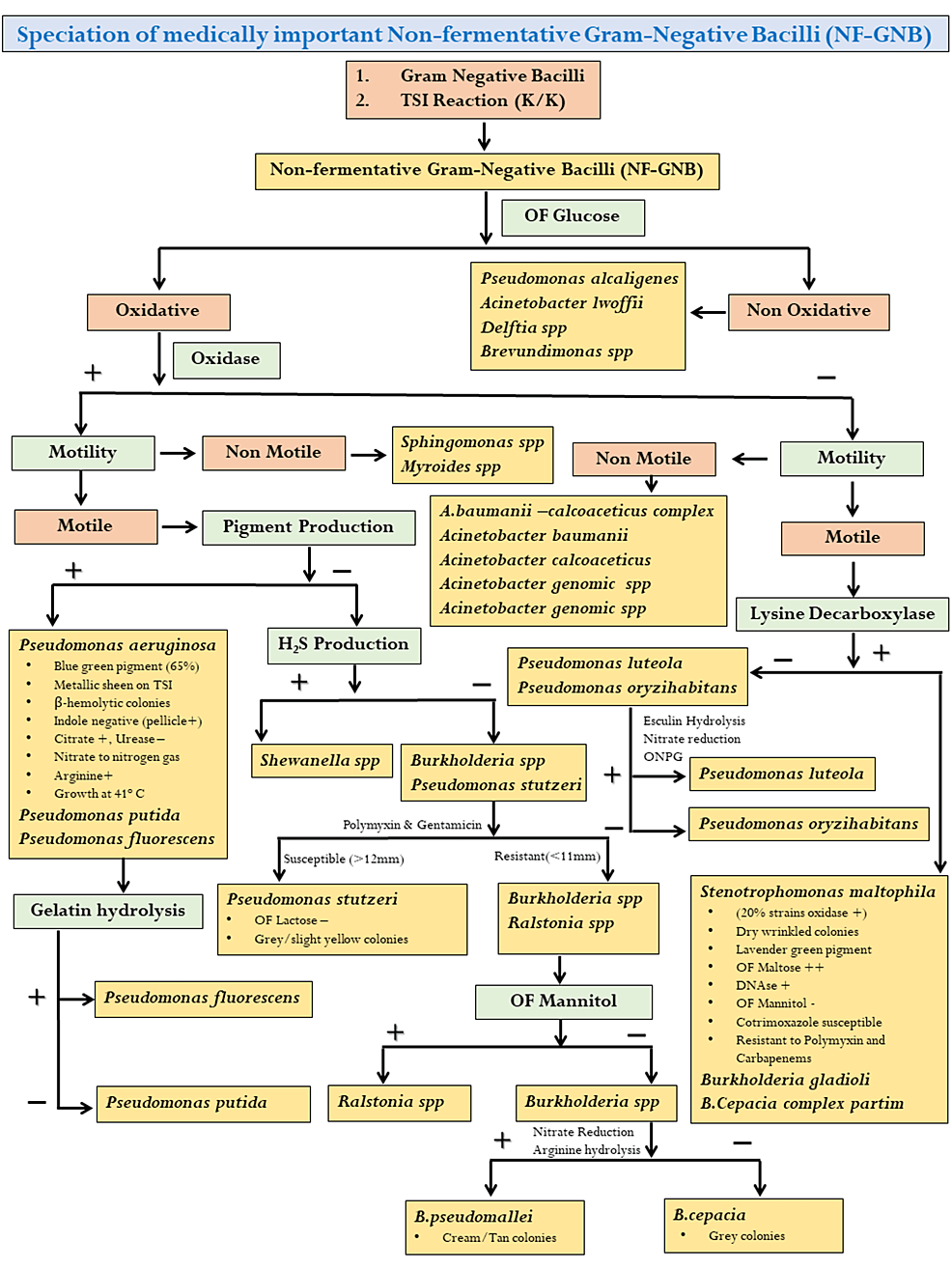
Emergence of Multidrug-Resistant Non-Fermenting Gram-Negative Bacilli in a Tertiary Care Teaching Hospital of Central India: Is Colistin Resistance Still a Distant Threat?
Purpose Multidrug-resistant (MDR) organisms are being increasingly reported from India. This study aimed to determine the antibiotic susceptibility pattern of non-fermenting Gram-negative bacilli (NF-GNB) isolated from all the clinical samples...
Conclusion: Our study showed a significantly wide variety of NF-GNB, ranging from Pseudomonas aeruginosa (51.7%), Acinetobacter baumannii (23.4%), to Acinetobacter haemolyticus (4.6%), Pseudomonas putida (0.9%), Elizabethkingia meningoseptica (0.7%), Pseudomonas luteola (0.5%), and Ralstonia pickettii (0.4%), which have not been commonly...

What data collection methods work best for COVID19 outbreak surveillance for people with end stage kidney disease? An observational cohort study using the UK Renal Registry - BMC Nephrology
Source : https://bmcnephrol.biomedcentral.com/articles/10.1186/s12882-023-03148-8
Background Patients on kidney replacement therapy (KRT) are vulnerable to severe illness from COVID-19. Timely, accurate surveillance is essential for planning and implementing infection control at local, regional and national...
Conclusions: For patients undergoing ICHD treatment the collection of data submitted directly by renal centres allows constant monitoring in real time. For other KRT modalities, using a national swab test dataset through frequent linkage may be the most effective method. Optimising central surveillance can improve patient care by informing...