

Conclusions: Important differences in estimated LDL-C exist between the three equations, particularly among those with TG ≥150 mg/dL. These results in ASCVD patients, synthesized with prior evidence, raise concern that reliance upon the Friedewald and Sampson equations may result in underestimation and thus, undertreatment of LDL-C in those...
Share




The present study introduced a nano-targeted drug delivery approaches for PCSK9/LDLR antagonist.
Share
These properties include rapid and robust promotion of cholesterol efflux from cells abundant in atherosclerotic plaque, in addition to anti-inflammatory effects, which together, may have a stabilizing effect on atherosclerotic plaque. We provide a detailed overview of these mechanisms, in addition to information on the composition of CSL112...
Share
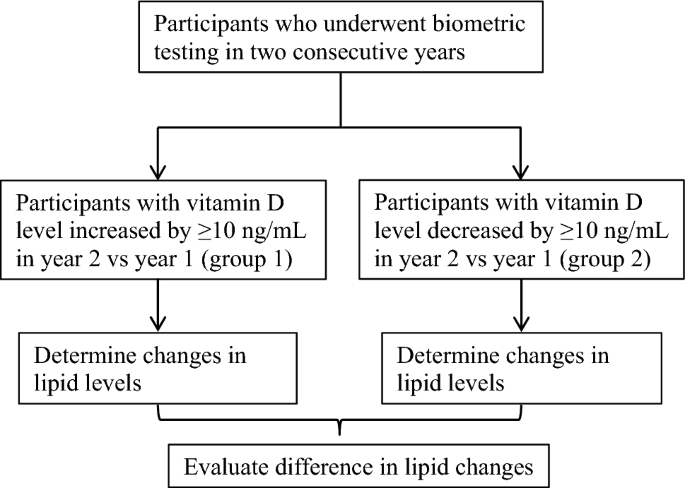
Association of changes in lipid levels with changes in vitamin D levels in a real-world setting - Scientific Reports
Source : https://www.nature.com/articles/s41598-021-01064-1
In clinical trials, vitamin D supplementation has been reported to reduce serum levels of total cholesterol (TC), low-density lipoprotein cholesterol (LDL-C), and triglycerides (TG) but not high-density lipoprotein cholesterol (HDL-C)....
Between-group differences in average changes in the 3 cohorts ranged from 10.71 to 12.02 mg/dL for TC, from 7.42 to 8.95 mg/dL for LDL-C, and from 21.59 to 28.09 mg/dL for TG. These differences were significant after adjusting for age, sex, race, education, body mass index, blood pressure, smoking status, geographical location, and baseline...
Share

Association Between Serum C1q Tumor Necrosis Factor-Related Protein 9 and the Clinical Characteristics and Prognosis of Ischemic Stroke - Neurology and Therapy
Source : https://link.springer.com/article/10.1007/s40120-021-00296-7
Introduction C1q tumor necrosis factor (TNF)-related protein 9 (CTRP9) is a novel member of the C1q/TNF superfamily. According to our previous review, CTRP9 plays a vital role in the process...
Conclusions: All the findings indicated that serum CTRP9 could be a promising blood-derived biomarker for the early evaluation and prognosis assessment of IS.
Share