



Fasting plasma glucose level in the range of 90-99 mg/dL and the risk of the onset of type 2 diabetes: Population-based Panasonic cohort study 2 - PubMed
Source : https://pubmed.ncbi.nlm.nih.gov/34624178/
doi: 10.1111/jdi.13692. Online ahead of print. 1 Department of Endocrinology and Metabolism, Graduate School of Medical Science, Kyoto Prefectural University of Medicine, Kyoto, Japan. 2 Department of Diabetes and Endocrinology,...
Conclusions: This study demonstrates that the risk of type 2 diabetes among subjects having a fasting plasma glucose concentration of 90-99 mg/dL, is progressively higher with an increasing level of fasting plasma glucose concentration in a Japanese people.

Association of subtle alterations in thyroid function with presarcopenia in patients with type 2 diabetes mellitus - PubMed
Source : https://pubmed.ncbi.nlm.nih.gov/34704391/
doi: 10.1111/jdi.13703. Online ahead of print. 1 Department of Endocrinology and Metabolism, Tianjin Medical University General Hospital, No. 154, Anshan Road, Heping District, Tianjin, China. Free article Aims: To investigate...
Conclusions: SCHyper was an independent risk factor for presarcopenia in patients with T2DM, but SCHypo was not. In the Euthy group with T2DM, a high FT4/FT3 ratio was a good index of presarcopenia in addition to the elderly.
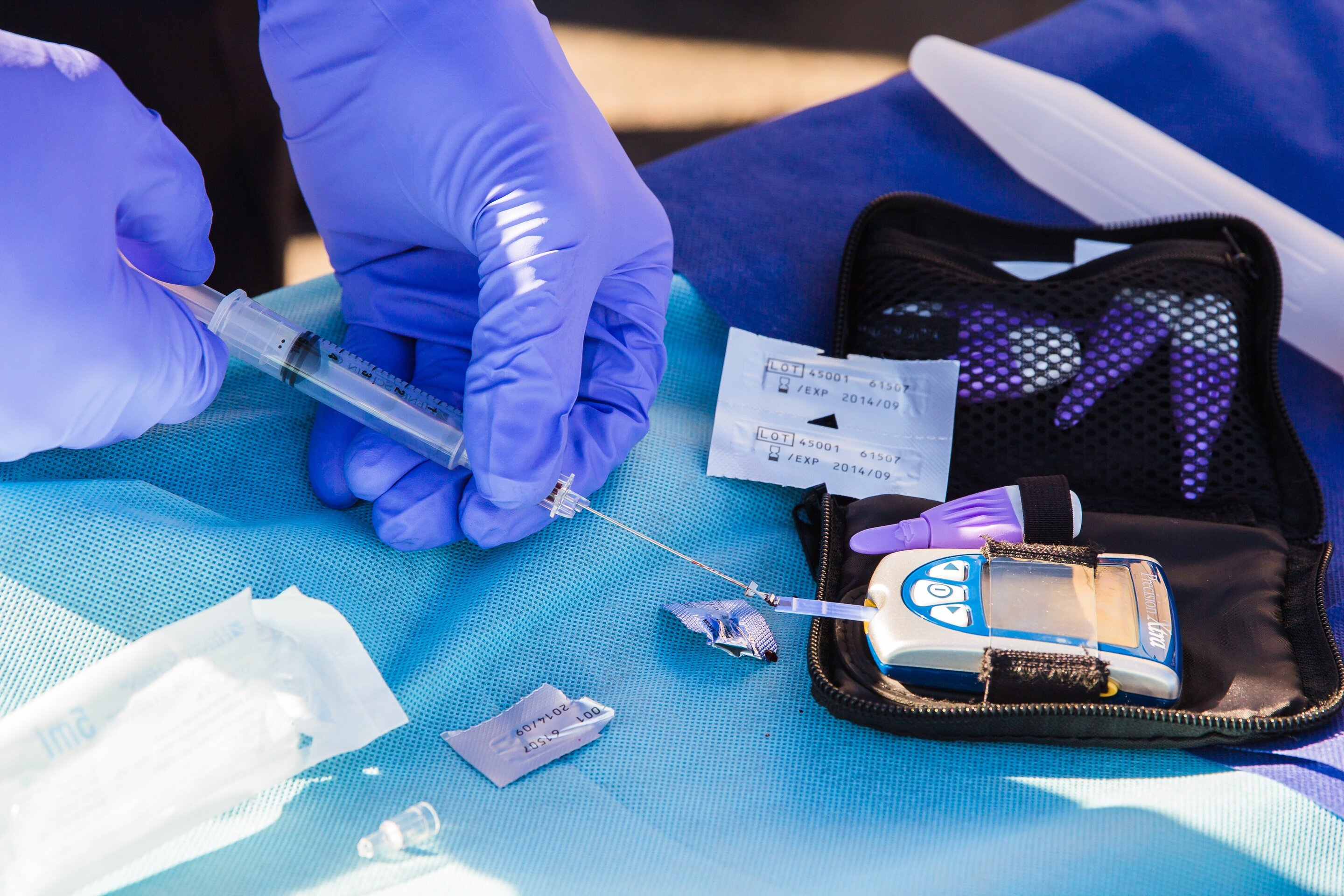
Novel approach to treating type 2 diabetes shows prolonged normal blood sugar levels after a single one-time procedure
Source : https://medicalxpress.com/news/2021-10-approach-diabetes-prolonged-blood-sugar.html
A novel approach to treating type 2 diabetes is being developed at the Technion. The disease, caused by insulin resistance and reduction of cells' ability to absorb sugar, is characterised...