



Experiences of Using Weighted Blankets among Children with ADHD and Sleeping Difficulties
Source : https://www.hindawi.com/journals/oti/2023/1945290/
Introduction . Sleeping difficulties are common in children with attention deficit hyperactivity disorder (ADHD). A sleep intervention with weighted blankets was designed to increase current understanding of using weighted blankets...
Conclusions: Using weighted blankets promoted children’s management of daily life with ADHD and sleeping difficulties. Occupational therapists can improve the assessment and delivery of weighted blankets tailored to individual needs based on increased knowledge from the children themselves.
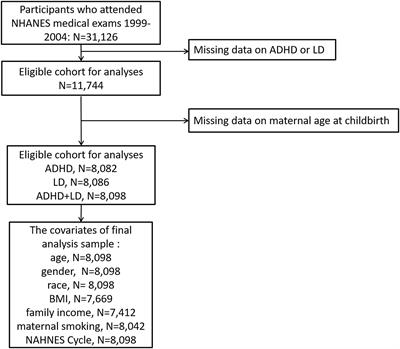
Maternal age at childbirth and the risk of attention-deficit/hyperactivity disorder and learning disability in offspring
Source : https://www.frontiersin.org/articles/10.3389/fpubh.2023.923133/full
BackgroundStudies have shown that young maternal age at childbirth can increase the risk of attention-deficit/hyperactivity disorder (ADHD) in offspring, but a study of the U.S. population has not been reported.
Conclusions: These results provide epidemiological evidence showing that young and advanced maternal age at childbirth are associated with ADHD and LD risk.
Long-term changes in serum levels of lipoproteins in children and adolescents with attention-deficit/hyperactivity disorder (ADHD) - Journal of Neural Transmission
Source : https://link.springer.com/article/10.1007/s00702-022-02583-5
Attention-deficit/hyperactivity disorder (ADHD) is a neurodevelopmental disorder affecting approximately 5% of children worldwide. The causal mechanisms of ADHD remain unclear as the aetiology of this disorder seems to be multifactorial.
Conclusion: In a large representative sample of German children, we did not find evidence that peripheral lipid parameters are associated with ADHD, neither cross-sectionally when investigating adolescents and young adults, nor longitudinally during the development from adolescence into young adulthood.
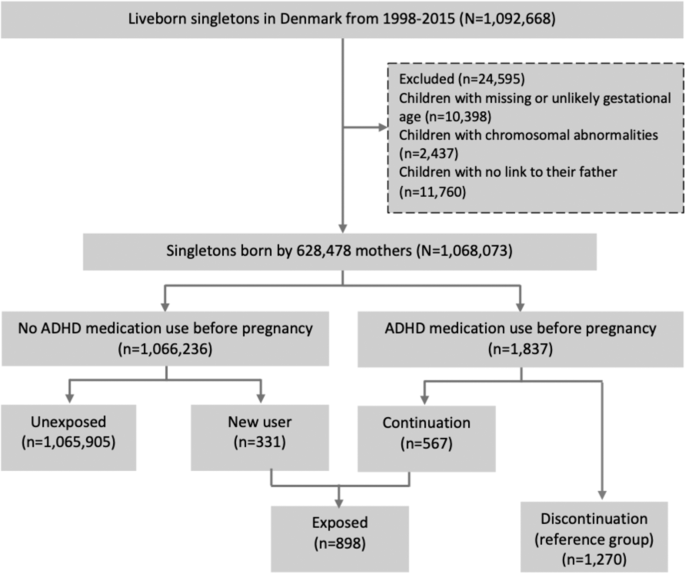
In utero exposure to ADHD medication and long-term offspring outcomes - Molecular Psychiatry
Source : https://www.nature.com/articles/s41380-023-01992-6
Attention Deficit Hyperactivity Disorder (ADHD) medication is increasingly being used during pregnancy. Concerns have been raised as to whether ADHD medication has long-term adverse effects on the offspring. The authors...
Conclusions/Relevance: Neurodevelopment and growth in offspring do not differ based on antenatal exposure to ADHD medication. These findings provide reassurance for women with ADHD who depend on ADHD medication for daily functioning and who consider continuing medication in pregnancy.
Early treatment response as predictor of long-term outcome in a clinical cohort of children with ADHD - European Child & Adolescent Psychiatry
Source : https://link.springer.com/article/10.1007/s00787-023-02158-z
This study investigates early onset of treatment response as predictor of symptomatic and functional outcome 3 years after initiation of methylphenidate (MPH) administration in a naturalistic, clinical cohort of children...
Conclusions/Relevance: Early treatment response predicts long-term outcome over and above other well-known predictors. Clinicians should follow-up patients carefully, during the first months of treatment, and detect non-responders, since there might be a window of opportunity to alter the outcome, by changing the treatment strategy.