

Obesity Connect
Profile Image
  • Saved
Lipodystrophy: an uncommon cause of insulin resistance and young-onset diabetes - PubMed

Lipodystrophy: an uncommon cause of insulin resistance and young-onset diabetes - PubMed

Source : https://pubmed.ncbi.nlm.nih.gov/41948357/

Insulin resistance due to lipodystrophy syndromes is an uncommon but important cause of diabetes. It is often overlooked due to limited awareness. Standard glucose-lowering therapies often fail to achieve durable...

Lipodystrophy is a rare cause of insulin resistance and early diabetes, often misdiagnosed. Genetic causes like SHORT syndrome should be suspected in lean patients with atypical features and poor response to standard therapies.

Profile Image
  • Saved
From the perspective of prolactin: a view on obesity - PubMed

From the perspective of prolactin: a view on obesity - PubMed

Source : https://pubmed.ncbi.nlm.nih.gov/41918976/

The physiological roles of prolactin extend beyond its classical functions in reproductive regulation. Emerging evidence indicates that prolactin is involved in energy homeostasis and may interact pathophysiologically with obesity; this...

Prolactin influences obesity via appetite regulation, adipogenesis, insulin resistance, and HPG axis disruption. Hyperprolactinemia and obesity show bidirectional association, with dopamine agonists and weight loss improving metabolic and endocrine outcomes.


Profile Image
  • Saved
Microbes, mood, and metabolism/obesity: Pharmacological insights into the gut-obesity-depression triad - PubMed

Microbes, mood, and metabolism/obesity: Pharmacological insights into the gut-obesity-depression triad - PubMed

Source : https://pubmed.ncbi.nlm.nih.gov/41774188/

The global rise in obesity and depression, two highly prevalent and often comorbid disorders has intensified interest in the gut-brain axis as a shared biological link. Mounting evidence indicates that...

Review links gut dysbiosis to obesity-depression comorbidity via SCFAs, GLP-1, bile acids modulating metabolism, inflammation, mood through gut-brain axis; GLP-1RAs (semaglutide), psychobiotics, FMT offer dual-targeting therapeutic promise.

Profile Image
  • Saved

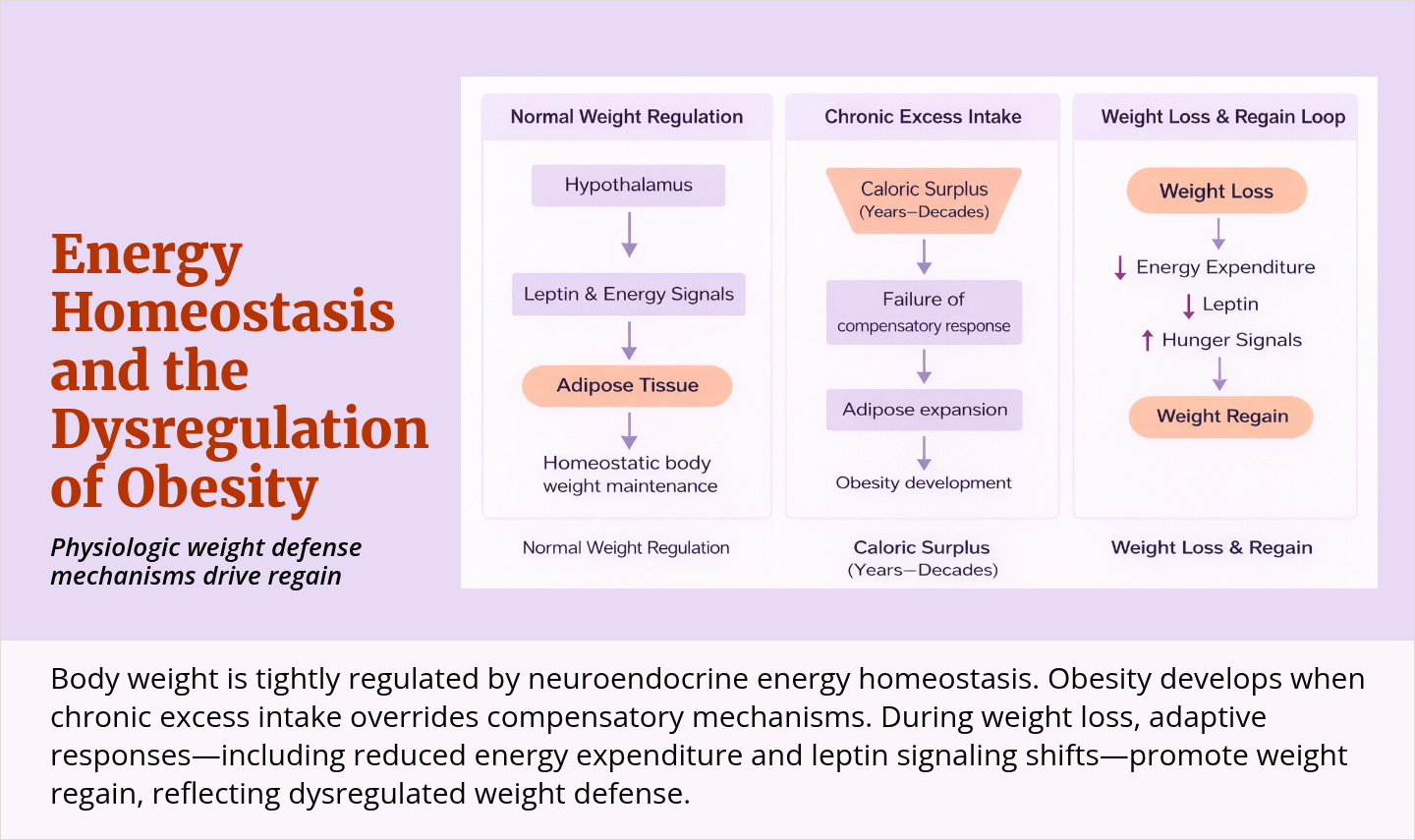
Did you know? Experts highlight that relying solely on BMI may overlook important phenotypic differences in obesity and associated cardiometabolic risks. Recent consensus recommendations emphasize integrating anthropometric, biochemical, and emerging digital tools to better capture obesity heterogeneity and guide more personalized prevention and management strategies.

Could expanding obesity assessment beyond BMI help improve risk stratification and clinical decision-making in patients with obesity?

pharmacologic therapy

Could expanding obesity assessment beyond BMI help improve risk stratification and clinical decision-making in patients with obesity?
Profile Image
  • Saved
Obesity care in Chinese adults: from evidence to clinical practice - PubMed

Obesity care in Chinese adults: from evidence to clinical practice - PubMed

Source : https://pubmed.ncbi.nlm.nih.gov/41446041/

More than 500 million Chinese adults suffered from overweight or obesity in 2023. The pandemic of obesity consumes healthcare and economic resources by imposing enormous burden from its complications such...

Obesity in Chinese adults is rising, driving health burden; policies, lifestyle interventions, digital health, and novel therapies are advancing care, but challenges include disparities, misdiagnosis, and need for multidisciplinary collaboration.

Profile Image
  • Saved
Profile Image
  • Saved
Evaluating the Safety Profile of Glucagon-Like Peptide-1 Receptor Agonists: Adverse Events and Clinical Recommendations - PubMed

Evaluating the Safety Profile of Glucagon-Like Peptide-1 Receptor Agonists: Adverse Events and Clinical Recommendations - PubMed

Source : https://pubmed.ncbi.nlm.nih.gov/41819567/

The rising global prevalence of obesity and its associated health problems necessitate effective intervention strategies. Historically, many anti-obesity medications have been developed and later withdrawn because of unfavorable adverse event...

Review evaluates safety of GLP-1 receptor agonists for obesity, highlighting significant weight-loss and cardiometabolic benefits while addressing adverse events such as retained gastric contents and aspiration, with clinical recommendations for safer use.

Profile Image
  • Saved
Background Image DesktopBackground Image Mobile

In 85 patients undergoing laparoscopic surgery for benign adnexal tumors, higher BMI was linked to increased abdominal wall thickness but did not significantly prolong primary trocar insertion using the open technique. Complication rates were comparable, highlighting the role of surgical experience.

Assess access strategies in obesity

Profile Image
  • Saved
Internal Hernia With Enteroenteric Fistula After Roux-en-Y Gastric Bypass in an Adult Female - PubMed

Internal Hernia With Enteroenteric Fistula After Roux-en-Y Gastric Bypass in an Adult Female - PubMed

Source : https://pubmed.ncbi.nlm.nih.gov/41769479/

Internal hernia is a recognized late complication of Roux-en-Y gastric bypass (RYGB), often occurring through mesenteric defects at the jejunojejunostomy (JJ) or Petersen's space. While most hernias result from anatomical...

Case report describes rare enteroenteric fistula–induced internal hernia causing small-bowel obstruction years after Roux-en-Y gastric bypass, successfully treated with robotic laparoscopic fistula excision and rapid postoperative recovery.

Profile Image
  • Saved

Did you know? Obesity-related systemic inflammation can reshape the tumor microenvironment and influence the efficacy and toxicity of immune checkpoint inhibitors in lung cancer. Adipokines, body composition metrics, and inflammatory biomarkers may help explain the “obesity paradox” and predict immune-related adverse events, including endocrine toxicities.

Could integrating obesity-related inflammatory biomarkers improve risk stratification and personalization of immunotherapy in lung cancer?

 NCCN Guidelines

Could integrating obesity-related inflammatory biomarkers improve risk stratification and personalization of immunotherapy in lung cancer?

Profile Image
  • Saved
Clinical Impact of Semaglutide Beyond Glycemic Control: A Critical Analysis of Oncogenic Potential and Mitigation of Cardiotoxicity - PubMed

Clinical Impact of Semaglutide Beyond Glycemic Control: A Critical Analysis of Oncogenic Potential and Mitigation of Cardiotoxicity - PubMed

Source : https://pubmed.ncbi.nlm.nih.gov/41754837/

Introduction : Semaglutide, a glucagon-like peptide-1 receptor agonist (GLP-1RA), has demonstrated unprecedented efficacy in the treatment of type 2 diabetes mellitus (T2DM) and obesity. However, its rapid clinical widespread use...

This review finds semaglutide maintains a favorable benefit-risk profile, with no confirmed increased cancer risk in humans and emerging cardioprotective effects, including potential mitigation of anticancer therapy–related cardiotoxicity, warranting continued monitoring.

Profile Image
  • Saved
Oral therapies could reshape obesity care — what could this mean for real-world practice?

As of 2025, the obesity treatment landscape continues to evolve. Injectable GLP-1 receptor agonists have set new clinical benchmarks, achieving 15–20% average weight reduction and improving cardiometabolic outcomes in adults with obesity. Yet real-world use often lags, hampered by injection hesitancy, supply constraints, and insurance variability.

Emerging research suggests the next frontier may lie with oral GLP-1–based therapies. In phase 3 studies, these agents have delivered weight reductions of 14–15%, closely mirroring injectables. Meanwhile, early-phase data on dual and triple agonists targeting GLP-1, glucagon, and amylin pathways show promising results, with up to 24% reductions reported in select populations. Gastrointestinal effects remain the most common treatment-related events and are typically mild and transient.

As these therapies near clinical integration, clinicians must consider how oral options will complement current care models—aligning with behavioral interventions, supporting adherence, and broadening access. Framing obesity as a chronic, manageable disease remains key, with new therapies positioned as tools for long-term metabolic health.

Pharmacologic therapy—oral or injectable—should enhance, not replace, nutritional, behavioral, and physical activity strategies. As HCPs, your role is pivotal in ensuring optimal treatment pairing and fostering durable outcomes.

Which of your patients might be best suited for oral anti-obesity therapy once available? What strategies have been most effective in supporting adherence and tracking response over time?

Profile Image
  • 7mo
    I discuss different options with me pt and then recommend the most appropriate medications, many pts prefer weekly injections but some pts are worried about long lasting side effects or Show More
  • 8mo
    Many patients are not secure using needle but next breakthrough of once daily pills in GLP can help patients

Show More Comments

  • Saved

Pilot study in older adults found modest agreement (49–73%) between dietary recalls and real-time photo logging for first and last eating occasions, with poorer concordance later in day and fewer recalls.

Profile Image
  • Saved
Multimorbidity of overweight and obesity alongside anxiety and depressive disorders in individuals with spinal cord injury - PubMed

Multimorbidity of overweight and obesity alongside anxiety and depressive disorders in individuals with spinal cord injury - PubMed

Source : https://pubmed.ncbi.nlm.nih.gov/30183556/

This work is among the first to find evidence that individuals with SCI are at heightened odds of overweight/obesity alongside anxiety and/or depressive disorders. This early work holds clinical implications...

Adults with spinal cord injury had significantly higher odds of anxiety, depression, and overweight/obesity, with elevated multimorbidity risk. Overweight/obese individuals with SCI showed greater likelihood of coexisting anxiety and depressive disorders.

Profile Image
  • Saved
Fighting the epidemic of pediatric metabolic dysfunction-associated steatotic liver disease: Role of non-invasive diagnostics and early pharmacological intervention - PubMed

Fighting the epidemic of pediatric metabolic dysfunction-associated steatotic liver disease: Role of non-invasive diagnostics and early pharmacological intervention - PubMed

Source : https://pubmed.ncbi.nlm.nih.gov/41640966/

The global rise in childhood obesity has made metabolic dysfunction-associated steatotic liver disease (MASLD) the leading cause of pediatric liver disease. Studies have consistently reported alarmingly high rates of advanced...

Mini-review addresses rising pediatric MASLD, emphasizing non-invasive diagnostics for early fibrosis detection and advocating early pharmacological intervention, including GLP-1 receptor agonists, to prevent progression and improve long-term outcomes in children.

Profile Image
  • Saved

Did you know? Hormonal imbalances can subtly influence lipid metabolism, insulin sensitivity, body weight, and renal function. Disruptions in calcium, vitamin D, and magnesium signaling may amplify cardiometabolic risk, underscoring the need for integrated endocrine monitoring across obesity, diabetes, and lipid disorders to support long-term metabolic health.

Could a more holistic approach to hormonal monitoring improve cardiometabolic outcomes across diverse metabolic conditions?

 NCCN Guidelines

Could a more holistic approach to hormonal monitoring improve cardiometabolic outcomes across diverse metabolic conditions?

Profile Image
  • Saved
Background Image DesktopBackground Image Mobile

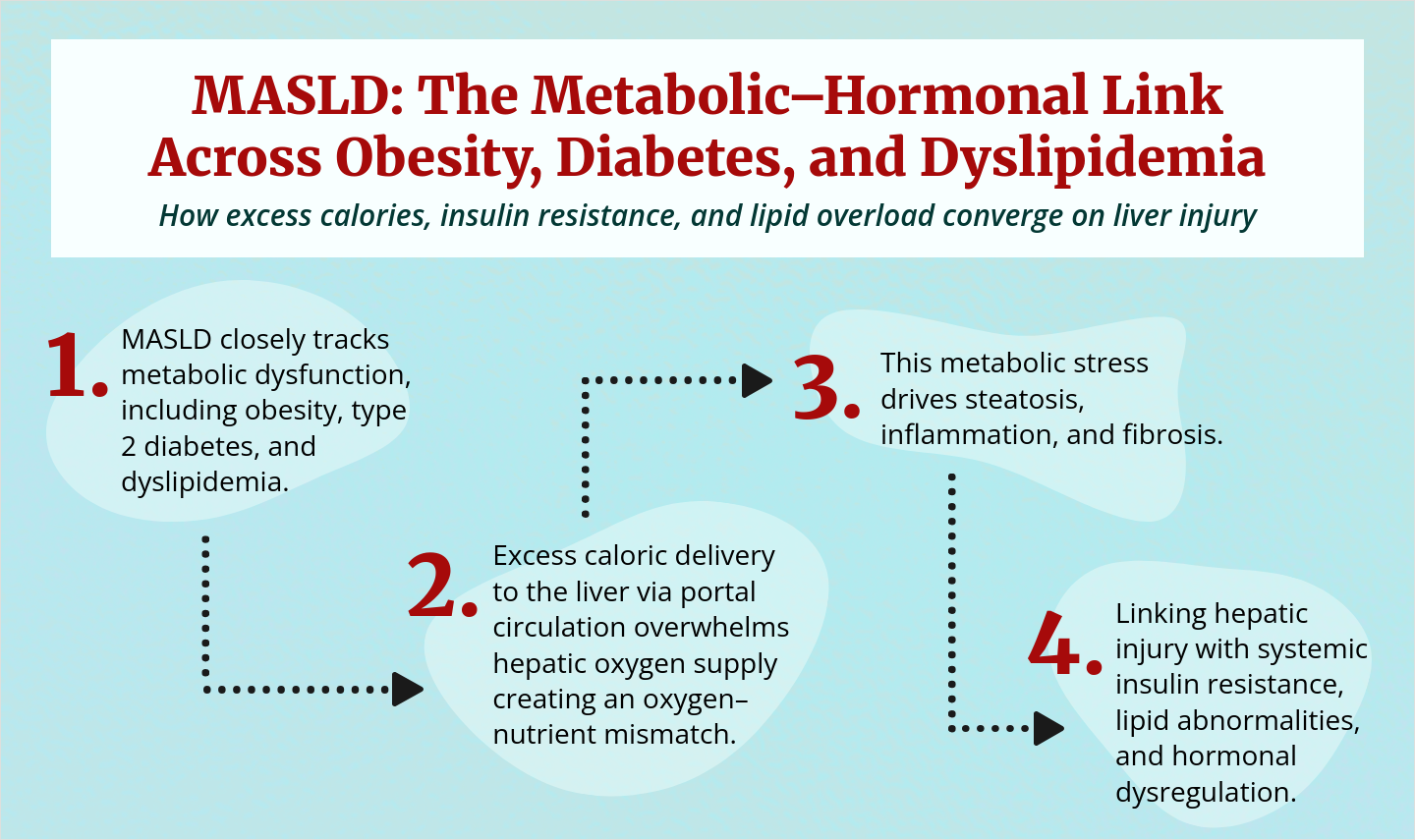
Emerging evidence links hormonal imbalance to metabolic dysfunction, oxidative stress, and elevated cardiovascular risk. Conditions marked by insulin resistance, dyslipidemia, and obesity share disrupted endocrine signaling that accelerates cardiometabolic complications across populations.

Explore endocrine–metabolic connections

Profile Image
  • Saved
Profile Image
  • Saved
Pathogenic analysis of post-transplantation obesity: A comprehensive systematic review - PubMed

Pathogenic analysis of post-transplantation obesity: A comprehensive systematic review - PubMed

Source : https://pubmed.ncbi.nlm.nih.gov/41607827/

Post-transplant obesity arises from a complex interplay of pharmacological, behavioral, and molecular factors. A multidisciplinary approach-incorporating pharmacological modification, nutritional management, physical activity, and molecular-targeted therapies-is essential to mitigate obesity and...

Systematic review identifies pharmacological, behavioral, and molecular drivers of post-transplant obesity, highlighting immunosuppressant effects, lifestyle factors, and adipokine dysregulation, and advocating multidisciplinary strategies to improve long-term transplant outcomes.

Profile Image
  • Saved

The impact of the number and frequency of visits on weight loss success in patients attending the obesity outpatient clinic - PubMed

Source : https://pubmed.ncbi.nlm.nih.gov/41517662/

Regular follow-up and the frequency of outpatient clinic visits are crucial factors in the management of obesity. This study aimed to assess the impact of the number and frequency of...

Retrospective study shows higher number and frequency of obesity clinic visits significantly improve weight loss outcomes, identifying visit thresholds that predict ≥5% weight loss and support regular follow-up for sustained success.

Profile Image