

Obesity Connect
Profile Image
  • Saved
Efficacy of Interventions to Promote Exercise Adherence in People With Overweight or Obesity: A Systematic Review - PubMed

Efficacy of Interventions to Promote Exercise Adherence in People With Overweight or Obesity: A Systematic Review - PubMed

Source : https://pubmed.ncbi.nlm.nih.gov/41523739/

Group and supervised interventions appear effective in improving exercise adherence among adults with overweight or obesity, but further high-quality studies are needed.

This systematic review found group-based and supervised exercise interventions most effective for improving adherence in adults with overweight or obesity, though evidence quality was limited and further high-quality studies are needed.

Profile Image
  • Saved
Can new obesity therapies reshape long-term adherence and care models?

Obesity treatment is shifting toward long-term disease management—where the goal is not only to reduce weight but also to maintain it safely and sustainably. New agents targeting gut–brain and metabolic pathways have expanded available treatment options, while also underscoring the need to address long-term engagement.

Adherence remains a key challenge. Real-world evidence shows that many patients discontinue therapy within the first year, often due to side effects, administration burden, or mismatched expectations. As new formats emerge—including oral formulations—treatment strategies are evolving to better align with patient preferences and routines.

Studies suggest that mode and frequency of administration can influence persistence. Some patients prefer the simplicity of once-weekly injections; others find daily oral dosing easier to incorporate. These differences highlight the need for early, personalized conversations about lifestyle fit, tolerability, and long-term commitment.

Pharmacotherapy is just one pillar of sustainable obesity care. Lasting outcomes still rely on nutrition, behavioral support, and structured follow-up. The opportunity now lies in integrating these therapies into adaptable models that reinforce patient engagement well beyond the initial response.

How do you navigate adherence challenges when patients transition between therapy formats? What potential do emerging oral options hold for improving persistence in long-term obesity care?

Profile Image
  • 8mo
    Getting correct medication and using it wisely for weight loss. Obesity can cause many other health problems
  • 9mo
    biggest challenge is coverage. Success with weight loss makes adherence much easier.

Show More Comments

  • Saved
case study


Patient background

A 52-year-old woman presents for longitudinal management of obesity. Her BMI is 36.1 kg/m². She reports progressive weight gain over the past 15 years, with multiple attempts at calorie restriction and structured exercise programs resulting in short-term weight loss followed by recurrent weight regain.

Medical history and clinical findings

Her medical history includes hypertension and dyslipidemia, both well controlled with medication. She does not have diabetes. She works long hours with frequent travel and reports irregular meal timing, stress-related eating, and difficulty sustaining lifestyle changes over time. She expresses reluctance toward injectable therapies, citing needle aversion and concerns about maintaining long-term treatment.

Physical examination demonstrates central adiposity without features suggestive of secondary endocrine causes.

Laboratory findings

Laboratory evaluation reveals normal fasting glucose, an HbA1c of 5.6%, mildly elevated triglycerides, and normal hepatic and renal function. Secondary contributors to obesity are excluded.

Assessment and diagnosis findings

This patient meets criteria for chronic obesity with adiposity-related cardiometabolic risk factors. Obesity is discussed as a chronic, relapsing disease requiring sustained, individualized management rather than episodic intervention. Prior lifestyle-only approaches have not produced durable weight loss.

During shared decision-making, pharmacologic therapy is considered as part of a comprehensive long-term care plan alongside nutrition counseling, behavioral strategies, and physical activity, consistent with guideline-based recommendations for chronic obesity management. Emerging oral GLP-1 receptor agonists are discussed in a future-oriented context, given their effects on appetite regulation and satiety and their potential to reduce treatment burden for patients with functional or emotional barriers to adherence.

Given the heterogeneity of patient needs and real-world constraints, long-term obesity management often requires individualized clinical judgment, structured follow-up, and ongoing reassessment to support sustained weight maintenance and reduce the risk of weight regain.

  1. Which factors most strongly influence your decision to initiate pharmacotherapy for obesity in similar patients?
  2. What functional or emotional barriers most commonly limit long-term adherence to obesity treatment in your practice?
  3. What challenges have you encountered when sustaining lifestyle interventions alongside pharmacologic therapy?
Profile Image
  • Saved
Soft tissue inflammation of the lower limb and foot following tibiotalocalcaneal arthrodesis for osteoarthritis in a morbidly obese patient: A case report - PubMed

Soft tissue inflammation of the lower limb and foot following tibiotalocalcaneal arthrodesis for osteoarthritis in a morbidly obese patient: A case report - PubMed

Source : https://pubmed.ncbi.nlm.nih.gov/41517718/

Combined surgical and antibiotic treatment allowed complete healing and return to full physical activity. This case emphasizes that pantalar arthrodesis in obese patients with multimorbidity carries a significantly higher risk...

Case report highlights late soft tissue inflammation after tibiotalocalcaneal arthrodesis in a morbidly obese patient, emphasizing elevated infection risk, complex management, and successful recovery with combined surgical and antibiotic treatment.

Profile Image
  • Saved
Incretin Receptor Agonist, Semaglutide, as a Treatment for Alectinib-Induced Excessive Weight Gain. A Case Report - PubMed

Incretin Receptor Agonist, Semaglutide, as a Treatment for Alectinib-Induced Excessive Weight Gain. A Case Report - PubMed

Source : https://pubmed.ncbi.nlm.nih.gov/41477303/

Alectinib is a second-generation anaplastic lymphoma kinase (ALK) tyrosine kinase inhibitor (TKI) that has been widely used as first-line (1L) treatment of advanced ALK+ non-small cell lung cancer (NSCLC) ever...

Case report shows semaglutide effectively reduced alectinib-induced weight gain in ALK-positive NSCLC, but treatment was complicated by gallstone pancreatitis, underscoring benefits, risks, and need for careful monitoring during long-term therapy.

Profile Image
  • Saved
Obesity care reimagined: Integrating chronic disease management and sustained interventions.

Obesity is a multifaceted, escalating global health crisis, affecting over a billion people in 2022 and projected to impact more than half the adult population by 2050. As a chronic, relapsing, multifactorial disease, it increases the risk of serious non-communicable diseases (e.g., type 2 diabetes, cardiovascular diseases, certain cancers) and contributes to over 5 million deaths annually. The global economic burden is projected to reach $4.32 trillion by 2035, alongside psychosocial challenges such as stigma, low self-esteem, and social isolation.

For adults with a BMI ≥30 kg/m², or ≥27 kg/m² with at least one obesity-related comorbidity, pharmacologic therapy should be considered when lifestyle interventions alone fail to achieve ≥5% weight loss after 3–6 months. When paired with behavioral and lifestyle measures, long-acting, once-weekly GLP-1 receptor agonists have been associated with substantial, sustained weight loss (e.g., a mean 12.1% reduction in body weight) and improvements in BMI, waist circumference, and blood pressure.

Viewing obesity as a chronic disease means shifting from short-term fixes to long-term care strategies. Management should address genetic, metabolic, environmental, and social drivers while evaluating the impact of functional limitations and emotional factors—such as psychological distress, stigma, and disordered eating—that may compromise adherence. Personalized care, aligned to each patient’s clinical, functional, and psychosocial profile, is essential for durable outcomes.

How can functional and emotional burden assessments be systematically integrated into obesity care to improve adherence and outcomes? What strategies can HCPs use to embed these therapies into long-term care plans that integrate pharmacologic, behavioral, and lifestyle support?

Profile Image
  • 9mo
    psychology and mental health assessment re: eating behaviors and reactions eating control are imperative for a weight loss success program
  • 9mo
    Having a set of task swill aid. Having better coverage is critical either way.

Show More Comments

  • Saved
Background Image DesktopBackground Image Mobile

Managing diabetes in pregnancy requires a dual approach: lifestyle changes like diet and exercise, plus targeted drug therapy with insulin or antihyperglycemics. Early action, patient education, and tools like CGM and telemedicine enhance glycemic control and outcomes.

Explore strategies for safer diabetic pregnancies

Profile Image
  • 9mo
    Individualized meal plans focusing on: • Controlled carbohydrate distribution • Low–glycemic index foods • Adequate calories for fetal growth (avoid overly restrictive diets) Moderate exercise (e.g., walking 10–15 minutes after meals) • Improves postprandial glucose and insulin sensitivity
  • Saved
Essential phospholipids and enzyme-based staging in nonalcoholic fatty liver disease: A call to action - PubMed

Essential phospholipids and enzyme-based staging in nonalcoholic fatty liver disease: A call to action - PubMed

Source : https://pubmed.ncbi.nlm.nih.gov/41358059/

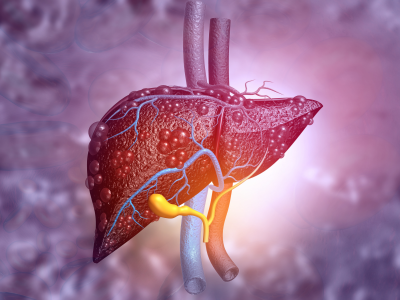
Nonalcoholic fatty liver disease, recently termed metabolic dysfunction-associated steatotic liver disease, affects 25% of adults globally, with a prevalence reaching 93% in obese individuals. The MANPOWER study, a post hoc...

Essential phospholipids improved liver enzymes and ultrasound features in MASLD/NAFLD, while a simple enzyme-based algorithm showed moderate accuracy for NASH detection, supporting noninvasive management and reduced biopsy dependence.

Profile Image
  • Saved
A scoping review of dietary interventions to treat obesity among Prader-Willi syndrome individuals - PubMed

A scoping review of dietary interventions to treat obesity among Prader-Willi syndrome individuals - PubMed

Source : https://pubmed.ncbi.nlm.nih.gov/41341915/

Prader-Willi syndrome (PWS) is a genetic disorder resulting from the absence of paternal 15q11-q13 alleles and is clinically characterised by pathological obesity, delayed satiety, hyperphagia, decreased muscle mass, and increased...

Evidence is limited, but ketogenic and multidisciplinary diet–exercise programs aid weight and fat reduction in Prader–Willi syndrome, whereas strict diets face adherence issues; supervised multidisciplinary approaches show best outcomes.

Profile Image
  • Saved
Effects of Health Qigong Walking Practice on anxiety and serum metabolites in patients with Type 2 Diabetes Mellitus: A randomized controlled trial - PubMed

Effects of Health Qigong Walking Practice on anxiety and serum metabolites in patients with Type 2 Diabetes Mellitus: A randomized controlled trial - PubMed

Source : https://pubmed.ncbi.nlm.nih.gov/41176176/

Health Qigong Walking Practice significantly reduces anxiety and improves glucose-lipid metabolism in T2DM patients with anxiety. Its superiority over standard aerobic exercise in glycemic control may be mediated through the...

Qigong walking markedly reduced anxiety and improved glycemic control in T2DM patients beyond aerobic exercise; metabolomics showed shifts in amino-acid and nitrogen pathways, supporting holistic mind-body benefits.

Profile Image
  • Saved
A Rare Cause of Umbilical Discharge in a Healthy Adult: A Case Report of Patent Urachal Sinus in Primary Care - PubMed

A Rare Cause of Umbilical Discharge in a Healthy Adult: A Case Report of Patent Urachal Sinus in Primary Care - PubMed

Source : https://pubmed.ncbi.nlm.nih.gov/41211096/

Umbilical discharge in adults is a rare presentation in primary care and is frequently misdiagnosed as superficial infections, umbilical dermatitis, or abscesses, particularly in individuals with known predisposing factors such...

Healthy adult with purulent umbilical discharge was found to have an infected urachal sinus on imaging; drainage and planned excision resolved symptoms, underscoring congenital urachal anomalies as key differentials.


Profile Image
  • Saved
Risk of all-cause death and pancreatic events following GLP-1 RA initiation in people with obesity or type 2 diabetes: observations from a federated research network - PubMed

Risk of all-cause death and pancreatic events following GLP-1 RA initiation in people with obesity or type 2 diabetes: observations from a federated research network - PubMed

Source : https://pubmed.ncbi.nlm.nih.gov/41257737/

GLP-1 RA use was associated with substantially reduced all-cause death but a small increased risk of acute pancreatitis, particularly during early treatment. The survival benefit was more pronounced in younger...

GLP-1 RA initiation markedly reduced all-cause mortality but slightly increased early acute pancreatitis risk, without raising chronic pancreatitis or pancreatic cancer, underscoring the need for balanced risk–benefit assessment.

Profile Image
  • Saved
Obesity as a chronic disease: Evolving treatment strategies with long-term pharmacologic care.

Obesity is increasingly recognized not merely as a lifestyle issue, but as a chronic, relapsing disease requiring sustained clinical management. Despite rising prevalence and cardiometabolic risks, pharmacologic treatment remains underutilized. While lifestyle interventions are foundational, maintaining weight loss over time through lifestyle changes alone is often challenging. High-intensity behavioral interventions may yield 5–8% total body weight loss, but this often plateaus or regresses by 12 months.

US clinical guidelines recommend anti-obesity medications when BMI is ≥30 kg/m², or ≥27 kg/m² with comorbidities. However, fewer than 2% of eligible patients receive prescriptions. Barriers such as stigma, limited access to specialists, and coverage restrictions may contribute to low treatment rates. GLP-1 receptor agonists, among newer therapies, address the biological drivers of obesity and have demonstrated significant weight loss (>10–20%) and cardiovascular risk reduction in clinical trials.

With an expanding range of therapeutic options, the focus is shifting to identifying the right patients and aligning treatment with their individual clinical needs and goals. Long-term success often depends not just on initiating therapy, but on sustaining it over time.

What clinical factors guide your decision to initiate pharmacologic therapy for obesity, and how do you approach patient selection, support long-term adherence, and identify those most likely to achieve sustained outcomes?

Profile Image
  • 10mo
    Patients with a high burden of obesity-associated disease benefit most: Elevated A1c or prediabetes, Uncontrolled hypertension, Atherogenic dyslipidemia, Evidence of subclinical ASCVD or high 10-yr ASCVD risk
  • 10mo
    I prescribe a lot of weight loss medication. The major barrier is insurance coverage of GLP-1 Agonists. I surprisingly find patients willing to try a once weekly injection. Also once Show More

Show More Comments

  • Saved
infographic
Profile Image
  • Saved

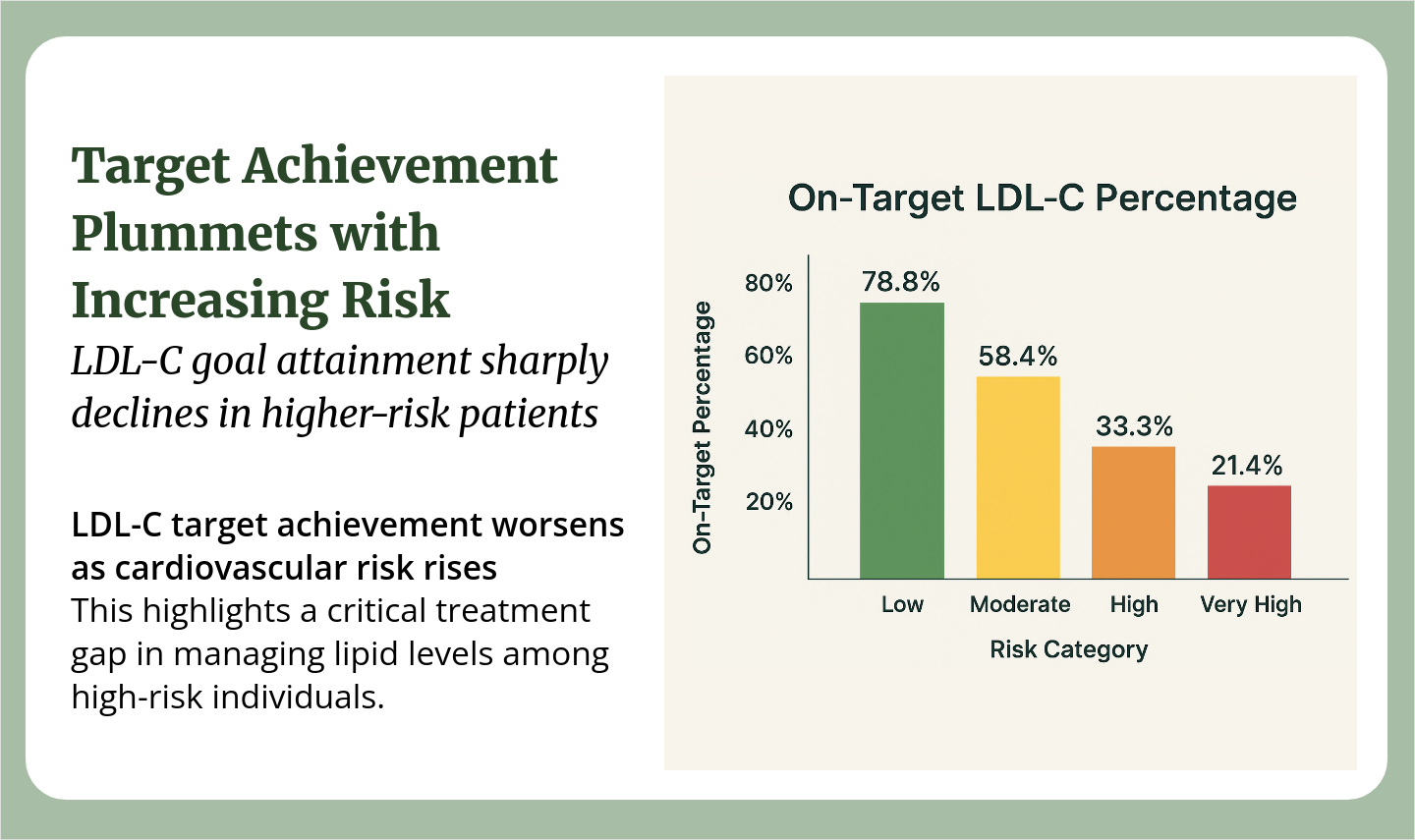
Fun Fact! Statin-associated liver injury (SILI) is rare, with true liver damage seen in just 1 in 1,000 to 1 in 10,000 patients. Though 2.8–3.1% show elevated liver enzymes, most cases are mild and resolve after stopping treatment. Interestingly, statins may offer protection against chronic liver diseases like cirrhosis.

Could statins play a dual role in both managing cholesterol and protecting liver health?

 NCCN Guidelines

Could statins play a dual role in both managing cholesterol and protecting liver health?

Profile Image
  • Saved
Magnetic Sphincter Augmentation Versus Fundoplication in Non-obese Gastroesophageal Reflux Disease (GERD) Patients: A Systematic Review of Patient-Reported Outcomes and Dysphagia - PubMed

Magnetic Sphincter Augmentation Versus Fundoplication in Non-obese Gastroesophageal Reflux Disease (GERD) Patients: A Systematic Review of Patient-Reported Outcomes and Dysphagia - PubMed

Source : https://pubmed.ncbi.nlm.nih.gov/41179026/

Magnetic sphincter augmentation (MSA) and laparoscopic fundoplication (LF) are established surgical treatments for gastroesophageal reflux disease (GERD). While several comparative studies exist, evidence specifically focusing on non-obese populations remains less...

MSA and fundoplication both improve GERD in non-obese patients; MSA preserves belching and reduces bloating but has more early dysphagia, while long-term control is similar, supporting individualized surgical selection.

Profile Image
  • Saved
Advances in lung health and sleep medicine: Key highlights from CHEST 2025

At CHEST 2025 in Chicago, pulmonology experts shared new insights in asthma, COPD, interstitial lung disease, pulmonary hypertension, and sleep medicine. Dr. Sandhya Khurana highlighted emerging asthma data—such as imaging-based reductions in mucus plugging and outcomes in severe asthma with nasal polyps—while also discussing the future of nanobody therapeutics. Dr. Cosmo Fowler reviewed GLP-1 RA–linked survival benefits in OSA.

Share your thoughts

  • Saved
case study

Patient Background: A 79-year-old woman presented with persistent hypophosphatemia (serum phosphorus 0.8 mg/dL) and multiple stress fractures involving the ribs, spine, and pelvis, consistent with osteomalacia. Her medical history included type 2 diabetes mellitus, hypertension, obesity, osteoarthritis, and anxiety disorder.

Assessment and Diagnosis: Initial evaluation revealed severe hypophosphatemia (0.8 mg/dL; NR: 2.5–4.5 mg/dL), elevated parathyroid hormone (PTH, 169 pg/mL; NR: 10–65 pg/mL), and normal serum calcium levels. Despite vitamin D supplementation, hypophosphatemia persisted (1.7 mg/dL in 2023), and hypercalcemia developed later (10.9 mg/dL; NR: 8.5–10.2 mg/dL). Renal studies showed phosphate wasting (tubular reabsorption of phosphate [TRP] 56.2%) and elevated fibroblast growth factor 23 (FGF-23, 1694 kRU/L). In 2024, ^18F-fluorocholine PET-CT imaging identified two right parathyroid adenomas, confirming a diagnosis of primary hyperparathyroidism (PHPT).

  1. How can chronic hypophosphatemia signal early-stage PHPT?
  2. Why is postoperative monitoring vital in PHPT care?
Profile Image
  • Saved
2,4-dinitrophenol intoxication and its morphological findings as an indication of substance intake - PubMed

2,4-dinitrophenol intoxication and its morphological findings as an indication of substance intake - PubMed

Source : https://pubmed.ncbi.nlm.nih.gov/39378760/

Lethal intoxications can only very rarely be recognized during an external examination of corpses, as poisoning does not leave any characteristic findings on the deceased. The present study is a...

This review and case report describe 2,4-dinitrophenol intoxication findings, highlighting yellow discoloration in skin, mucosa, and organs as key indicators for diagnosis and toxicological confirmation in fatal poisonings.

Profile Image
  • Saved
Asthma control in normal weight and overweight/obese asthmatic children following adenotonsillectomy - PubMed

Asthma control in normal weight and overweight/obese asthmatic children following adenotonsillectomy - PubMed

Source : https://pubmed.ncbi.nlm.nih.gov/36457155/

ObjectivesChildhood adenotonsillar hypertrophy (ATH) with sleep-disordered breathing (SDB) frequently occurs concomitant with asthma. Adenotonsillectomy and reduction in asthma severity association has been reported. We describe changes in asthma control in...

This prospective cohort trial found that adenotonsillectomy significantly improved asthma control and caregiver quality of life in children with sleep-disordered breathing, with greater benefit in nonobese versus obese/overweight pediatric patients over six months.

Profile Image