



micro-community-banner
Profile Image
  • Saved
The improved health utility of once-weekly subcutaneous semaglutide 2.4 mg compared with placebo in the STEP 1-4 obesity trials - PubMed

The improved health utility of once-weekly subcutaneous semaglutide 2.4 mg compared with placebo in the STEP 1-4 obesity trials - PubMed

Source : https://pubmed.ncbi.nlm.nih.gov/37055712/

The .gov means it's official. Federal government websites often end in .gov or .mil. Before sharing sensitive information, make sure you're on a federal government site. The site is secure....

Conclusions: Semaglutide 2.4 mg was associated with improvement in health utility scores compared with placebo, reaching statistical significance in STEP 1, 2 and 4.

Profile Image
  • Saved
Diagnosing obesity in your patients

Despite its increasing prevalence, obesity is one of the most misunderstood conditions in medicine. In fact, the AMA didn’t recognize it as a disease until 2013! In the United States, there are an estimated 30 million adults with diabetes, and 100 million adults with obesity. Obesity increases health risks and is associated with more than 60 comorbidities.

Physicians are key to the diagnosis of obesity, nevertheless studies show that only 55% of patients with obesity who seek treatment are diagnosed with this condition. Two key criteria for diagnosis include BMI ≥ 30 and sex-specific waist circumference (>40 inches in men; >35 inches in women).

When assessing waist circumference, be sure to take the following steps:

  1. Place the tape measure horizontally around the patient’s waist (i.e., between the lowest rib and the top of the hip bone); the umbilicus (i.e., belly button); or at the narrowest point of the midsection.
  2. Maintain a snug fit around the patient’s waist without pressing the skin and have the patient take a deep breath and exhale.
  3. Measure the waist circumference on exhalation.

Which of your patients do you evaluate for obesity? What measures do you use to diagnose obesity, and who takes these measures?

Profile Image

Show More Comments

  • Saved
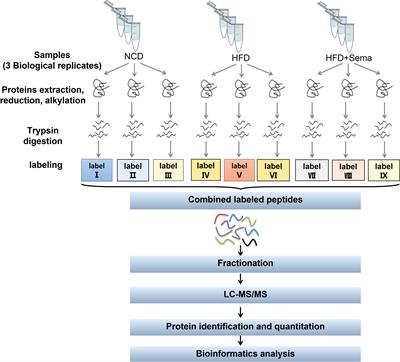
Proteomic analysis reveals semaglutide impacts lipogenic protein expression in epididymal adipose tissue of obese mice

Proteomic analysis reveals semaglutide impacts lipogenic protein expression in epididymal adipose tissue of obese mice

Source : https://www.frontiersin.org/articles/10.3389/fendo.2023.1095432/full

Background and objectivesObesity is a global health problem with few pharmacologic options. Semaglutide is a glucagon-like peptide-1 (GLP-1) analogue that induces weight loss. Yet, the role of semaglutide in adipose...

Conclusion: Semaglutide can effectively reduce visceral fat and blood lipids and improve glucose metabolism in obese mice. Semaglutide treatment might have beneficial effects on adipose tissues through the regulation of lipid uptake, lipid storage, and lipolysis in white adipose tissue.

Profile Image
  • Saved
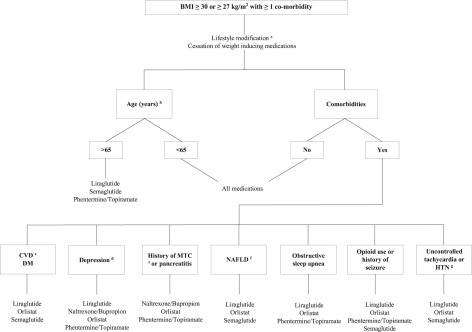
Pharmacotherapy of obesity: an update on the available medications and drugs under investigation

Pharmacotherapy of obesity: an update on the available medications and drugs under investigation

Source : https://www.thelancet.com/journals/eclinm/article/PIIS2589-5370(23)00059-7/fulltext

Obesity is an epidemic and a public health threat. Medical weight management remains one of the options for the treatment of excess weight and recent advances have revolutionized how we...

Conclusions/Relevance: The choice of the anti-obesity medication needs to take into consideration the patient's clinical and biochemical profile, co-morbidities, and drug contra-indications, as well as expected degree of weight loss and improvements in cardio-renal and metabolic risk. It also remains to be seen whether precision medicine may...

Profile Image
  • Saved
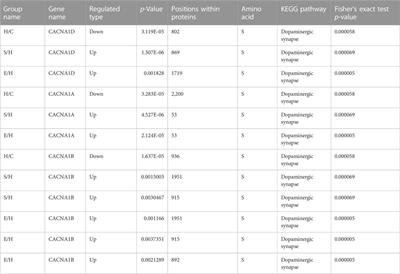
Effect of semaglutide and empagliflozin on cognitive function and hippocampal phosphoproteomic in obese mice

Effect of semaglutide and empagliflozin on cognitive function and hippocampal phosphoproteomic in obese mice

Source : https://www.frontiersin.org/articles/10.3389/fphar.2023.975830/full

Objective: Based on the 4D label-free phosphoproteomic technique, we examined the differences in cognitive function and hippocampal phosphorylated protein expression in high-fat diet-induced obese mice after the intervention of semaglutide...

Conclusion: We found for the first time that a high-fat diet decreased CACNA1D, CACNA1A, and CACNA1B protein serine phosphorylation, which may affect neuronal development, synaptic plasticity, and cognitive function in mice. Notably, semaglutide and empagliflozin increased the phosphorylation of these proteins.

Profile Image